Rip-offs at the petrol pump?
 Brennan sprints to Vuelta stage two victory, Pogacar keeps red
 Duplantis conquers pole vault at Silesia Diamond League

 France's badminton gold winners set for obscurity back home
 Brighton start Premier League season with rout of 10-man Villa

 Maresca makes winning start with Man City after dramatic fightback

 Mo'unga returns for All Blacks against Johannesburg Lions
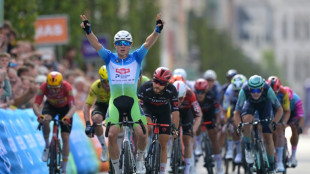 Belgian sprinter Philipsen wins Renewi Tour
 'A day for French badminton' as Lanier triumph gives them golden double at world champs

 Kane voted German footballer of the year

 'New season, new trim': Man City star Haaland chops off flowing locks

 Lanier clinches badminton world title in France's golden double

 After Wildberries, Ukraine launches drone campaign on Russia's Ozon
 Padikkal, Gill half-centuries take India to 187-3 at tea
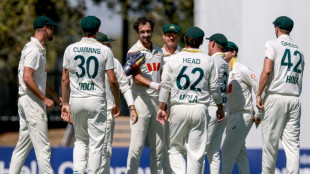
 Cummins hails 'sharp' Australia as they get back to winning ways

 Bangladesh eye more Australia Tests to hit next level
 Thousands expected at Sweden climate demo as election looms
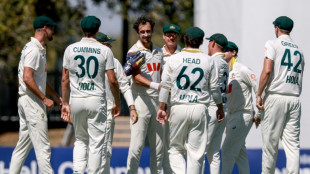
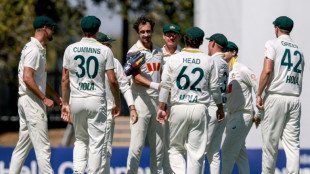 Starc heroics put Australia on brink of victory over Bangladesh

 Austrian mountain town finds niche in AI boom

 Messi scores but Miami slump continues with loss to Toronto
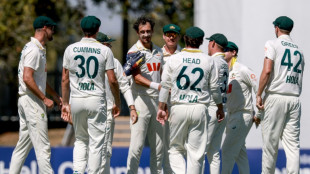
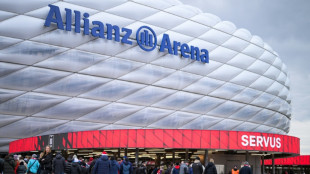 Sydney marathon unveils medal with wrong stadium

 Macron hosts Saudi's MBS for visit ranging from esports to Mideast

 Australia in control with 146-run first innings lead over Bangladesh

 World No. 3 Pegula beats defending champ Swiatek to reach Cincy final

 Wyndham Clark surges clear at BMW Championship

 Maresca says Man City must fill Rodri void after Barca switch

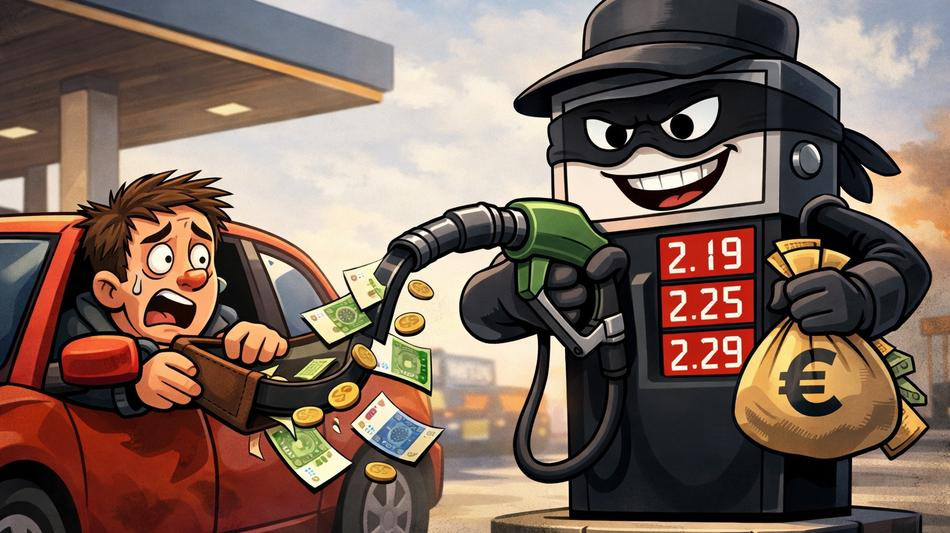
Fuel prices in Germany have become a political flashpoint. Since war broke out in Iran and the Strait of Hormuz was temporarily closed, global oil prices have surged. Crude oil quotations rose by around 20 percent to 84 dollars a barrel, and the wholesale price of diesel in Rotterdam climbed by 26 cents per litre – almost 50 percent. As a result, German motorists were paying an average of Euro 2.156 per litre for diesel and Euro 2.037 for Super E10 in mid‑March 2026.
Petrol‑station leaseholders emphasise that they do not set their own pump prices. The industry’s lobbying group accuses the oil majors of selling fuel they bought cheaply at a huge mark‑up – behaviour described as “predatory capitalism”. Leaseholders receive none of the extra margin yet face the anger of customers. Convenience‑store sales are also collapsing because angry motorists buy nothing after filling up.
Chancellor Friedrich Merz’s government has responded with a package of measures. Filling stations may raise prices only once a day at noon; price cuts are allowed at any time. Part of the national oil reserve will be released, and the competition authority will get more powers. Critics say this does not go far enough. The social welfare organisation SoVD warns that without a price cap consumers remain at the mercy of suppliers and calls for targeted relief for low‑ and middle‑income households. SPD politicians demand a price cap to ensure that consumers are not “fleeced”, while economy minister Katherina Reiche rejects the idea of a state‑financed fuel subsidy.
Comments on social media reveal widespread anger. Many feel exploited by both oil companies and the state and question the government’s competence. Some want full transparency on profit margins and stronger oversight. Others blame decades of political failure – from delayed investment in electric‑vehicle infrastructure and slow improvements to public transport to tax policies that continue to inflate fossil‑fuel prices.
Political actors respond differently. The governing CDU points to global market forces. The Left Party demands a swift competition‑law probe. Green politicians and the environment ministry argue for a shift to battery‑electric cars to escape dependence on oil, while the SPD (Social Democratic Party of Germany) backs a price cap and social support. Despite the government’s package, many citizens believe Berlin is not acting decisively enough.
Public frustration has already translated into protests. Motorists report boycotting certain brands, filling up abroad or organising car‑sharing. Regional media report aggressive customers venting at station staff. Growing pressure may compel tighter regulation of oil companies, tax relief or a broader strategy for affordable mobility.