Saudi Arabia to allow one million hajj pilgrims this year: statement
 Microsoft Updates Xbox PC App with 60% Faster Startup and Redesigned Interface

 Early Polar Vortex Disruption Creates Uncertain Winter Outlook for Pennsylvania

 Pakistan Demands Grant-Based Climate Finance at COP31 to Avoid Debt Trap

 E Pellicci Pop-Up at Selfridges Brings Back Nostalgic School Cake

 Coronation Street's Debbie Webster Steps Down as Dementia Storyline Intensifies
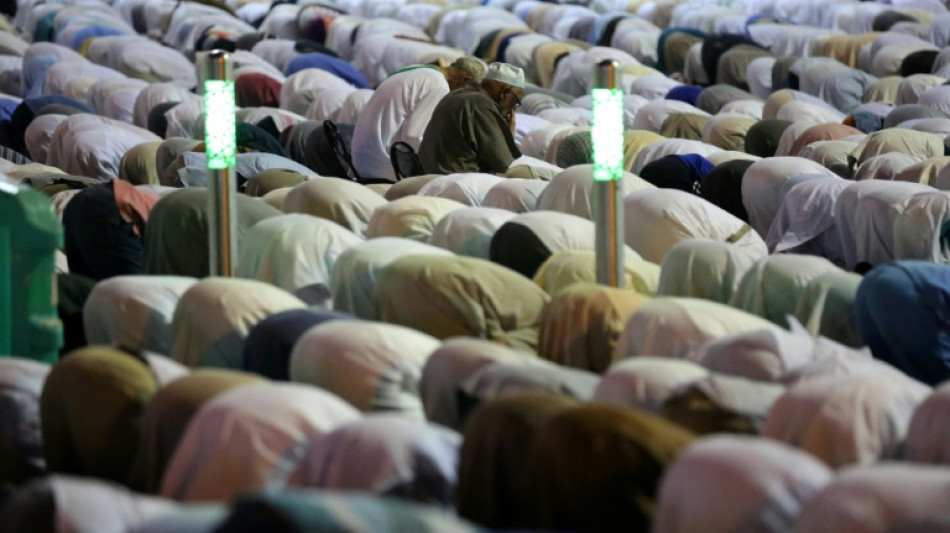
Saudi Arabia said Saturday it will permit one million Muslims from inside and outside the country to participate in this year's hajj, a sharp uptick after pandemic restrictions forced two years of drastically pared-down pilgrimages.
The hajj ministry "has authorised one million pilgrims, both foreign and domestic, to perform the hajj this year," it said in a statement.
One of the five pillars of Islam, the hajj must be undertaken by all Muslims with the means at least once in their lives. Usually one of the world's largest religious gatherings, about 2.5 million people took part in 2019.
But after the onset of the coronavirus pandemic in 2020, Saudi authorities allowed only 1,000 pilgrims to participate.
The following year, they upped the total to 60,000 fully vaccinated residents chosen through a lottery.
The restrictions have stoked resentment among Muslims abroad who were barred. Saturday's announcement said this year's hajj would be limited to vaccinated pilgrims under age 65.
Those coming from outside Saudi Arabia will be required to submit a negative Covid-19 PCR result from a test taken within 72 hours of travel.
The government wants to ensure pilgrims' safety "while ensuring that the maximum number of Muslims worldwide can perform the hajj", Saturday's statement said.
The hajj consists of a series of religious rites that are completed over five days in Islam's holiest city, Mecca, and surrounding areas of western Saudi Arabia.
Hosting the hajj is a matter of prestige for Saudi rulers, as the custodianship of Islam's holiest sites is the most powerful source of their political legitimacy.
S.F.Warren--AMWN