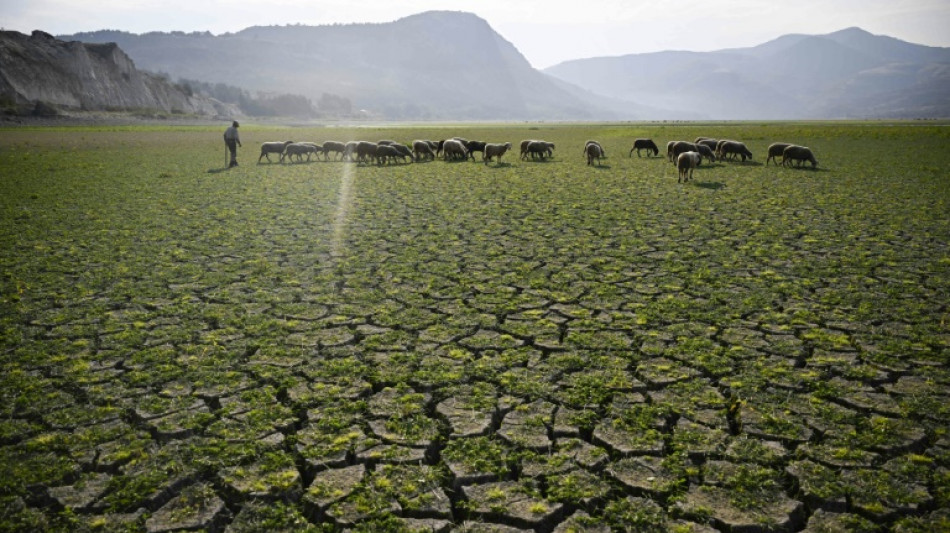
UN warns world's water cycle becoming ever more erratic / Photo: Nikolay DOYCHINOV - AFP
 Korea's Severe Asthma Patients Blocked from Biologics by Restrictive Reimbursement Rules

 Shanghai Science and Technology Museum Signs Pacts With London and Ottawa Institutions at CIIE

 RBI Data Reveals Divergence in Credit Card Spending and Debit Card Cash Withdrawals

 Panthers expected to begin 2027 NRL season away from new stadium

 Sweet As app launches restaurant discovery platform
 Phoenix Restaurants Offer Thanksgiving Dinner to Go for Pickup
 Mayo school appeals for information after convent and chapel vandalism
 Virginia overwhelms Arkansas 91-72 behind balanced scoring

 Second major storm brings destructive winds and outages to British Columbia
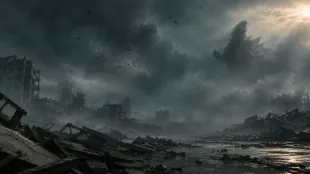 Godzilla Minus Zero leads North American box office with $31.6m

 Advocate calls for coordinated support for children facing trafficking

 Medicare Open Enrollment Ends Dec. 7: Review Your Coverage Options

 US Treasury order targets bank transfers linked to crypto exchange MEXC
 Nvidia CEO Controversy Sparks Fears of Tighter U.S. AI Chip Curbs for Samsung and SK hynix

 Villeneuve teases James Bond casting at Los Angeles museum gala
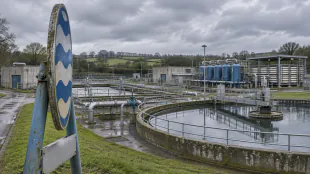
 Nottinghamshire launches specialist rural crime policing team

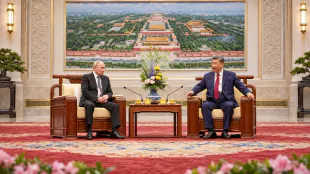 China confirms talks over possible Xi-Putin-Trump summit

 Rail journey offers a slower route to a Berlin city break

 Arsenal control title race as Manchester United fall into bottom three

 Suspected Krakow gunman dies after attack that killed six

 Carrick backs Dalot after hostile reception from Manchester United fans

 Aston Villa Defy History With Rare Victory at Old Trafford
Increasingly intense floods and droughts are a "distress signal" of what is to come as climate change makes the planet's water cycle ever more unpredictable, the United Nations warned Monday.
Last year the world's rivers were their driest for more than 30 years, glaciers suffered their largest loss of ice mass in half a century and there was also a "significant" number of floods, the UN's World Meteorological Organization said in a report.
"Water is the canary in the coalmine of climate change," WMO Secretary-General Celeste Saulo said in a statement accompanying the State of Global Water Resources report.
"We receive distress signals in the form of increasingly extreme rainfall, floods and droughts which wreak a heavy toll on lives, ecosystems and economies," she said.
Saulo said the heating up of the Earth's atmosphere had made the water cycle "more erratic and unpredictable.
Last year was the hottest on record, with high temperatures and widespread dry conditions producing prolonged droughts.
There were also many floods around the world.
These extreme events were influenced in part by naturally-occurring climate conditions including the La Nina and El Nino weather phenomena -- but also and increasingly by human-induced climate change.
"A warmer atmosphere holds more moisture, which is conducive to heavy rainfall. More rapid evaporation and drying of soils worsen drought conditions," Saulo said.
- Massive glacier melt -
Water is either too abundant or insufficient, plunging many countries into increasingly difficult situations.
Last year, Africa was the most heavily impacted continent in terms of human casualties.
In Libya, two dams collapsed due to a major flood in September 2023, claiming more than 11,000 lives and affecting 22 percent of the population, according to the WMO.
Floods also hit the Greater Horn of Africa, the Democratic Republic of Congo, Rwanda, Mozambique and Malawi.
Currently, 3.6 billion people have insufficient access to fresh water at least once a month per year, according to the UN. That figure is expected to rise to more than five billion by 2050.
For the past three years, more than 50 percent of river catchments have been drier than usual.
Meanwhile the inflow to reservoirs has been below normal in many parts of the world over the past half decade.
Rising temperatures also mean glaciers have melted at unprecedented rates, losing more than 600 billion tonnes of water, the worst in 50 years of observations, according to preliminary data for September 2022 to August 2023.
"Melting ice and glaciers threaten long-term water security for many millions of people. And yet we are not taking the necessary urgent action," Saulo said.
In addition to curbing the man-made greenhouse gas emissions that cause global warming, the WMO wants the world's fresh water resources to be monitored better, so early warning systems can reduce the damage to people and wildlife.
"We cannot manage what we do not measure," Saulo stressed.
Stefan Uhlenbrook, director of the WMO's hydrology, water and cryosphere department, stressed the importance of investing in infrastructure to preserve water and protect people from hazards.
But he also highlighted the need to conserve water, particularly for agriculture, which uses 70 percent of the world's fresh water consumption.
He warned returning to a more regular natural water cycle would be difficult.
"The only thing we can do is to stabilise the climate, which is a generational challenge," he said.
H.E.Young--AMWN


