
What the Medicaid Cuts in the One Big Beautiful Bill Mean for Your Loved One in a Nursing Home
 St. Louis City's unbeaten MLS run ends at 19, Union's reaches 15

 NFL Eagles bench Hurts at least a month with blood clot

 Across US, 'No Kings' events seek to boost early voting

 Tents spring up in Lisbon as Portugal housing protests spread

 'Best in world' Yamal powers Barca to Betis rout, Atletico strike late

 El Salvador's Bukele puts conditions on early release of gang prisoners

 Fire rages at town hall in France's Limoges after protests: authorities

 Unstoppable Barca thrash Betis to extend perfect start

 Maresca faces anxious wait over Haaland injury scare

 PSG fight back to beat Strasbourg after Dembele penalty miss

 Looting, blazes and clashes in France amid nationwide protests

 Walsh breaks her own 50 free world short course record

 Haaland brace extends Man City's winning start in Premier League

 'Special' Ombudsman storms to victory in Champion Stakes

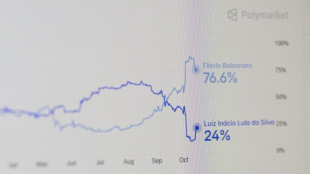 Brazil's right embraces election betting odds amid polls skepticism

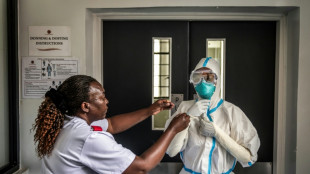 Four more Ebola cases detected in Kenya, bringing total to seven

 Clashes erupt in France as protesters vow to make government 'tremble'

 Chwalinska downs Swiatek to set up Wuhan final with world number 170 Kartal

 Chacarra takes lead as McIlroy falls away in Delhi

 Neto double gives Chelsea win marred by Martinez injury

 'Cockroach' party founder released from Indian police custody

 Nepal floods 'defining moment' for climate action: UN

 Albanian capital sees fifth straight day of violent clashes

 Leaders weigh 'huge benefit', risks of AI for global economy

 Zverev stunned by Davidovich Fokina in Shanghai semi-finals

Federal Funding Slashed, Staffing Protections Gutted - the Nursing Home Abuse Center Warns Families to Stay Vigilant as Care Quality Risks Escalate
WASHINGTON, D.C. / ACCESS Newswire / June 22, 2026 / When President Trump signed the One Big Beautiful Bill Act (OBBBA) into law on July 4, 2025, it set in motion one of the most sweeping rollbacks of nursing home protections in modern history. Now, as 2026 state budget cycles take effect and facilities begin absorbing the financial shock, the Nursing Home Abuse Center is urging families to understand what these changes mean - and what to watch for.
The consequences for the country's most vulnerable nursing home residents are already taking shape, and experts warn the worst may still be ahead.
Nearly $1 Trillion in Federal Medicaid Cuts Over a Decade
The nonpartisan Congressional Budget Office (CBO) estimates the OBBBA will cut approximately $911 billion from federal Medicaid spending through 2034. That is critical for nursing home residents. Medicaid is the single largest payer of nursing home costs in the United States, covering the bills for more than 6 in 10 residents, according to health policy research organization KFF.
Those funding reductions do not disappear - they shift the burden to states, facilities, and families. States now face an impossible choice: raise their own revenue, cut Medicaid services, tighten eligibility requirements, or reduce how much they reimburse nursing homes for each resident's care. Some states have already indicated lower Medicaid provider rates or are considering cuts heading into the 2026-2027 fiscal year, with further pressure expected in 2027.
For families of nursing home residents, this translates into real and immediate risk. Facilities operating on reduced Medicaid reimbursements may cut staffing hours, reduce therapy and activity programs, delay maintenance and safety repairs, or - in the worst cases - close entirely. Since the law's passage, more than 800 hospitals, nursing homes, and other health care facilities across the country have closed, reduced services, or been identified as at serious risk of closure, according to a Protect Our Care analysis published in April 2026.
Mandatory Staffing Standards Gutted Until 2034
Perhaps the most direct threat to resident safety is the OBBBA's decision to block enforcement of federal minimum staffing standards for nursing homes until at least October 1, 2034. In December 2025, the U.S. Department of Health and Human Services (HHS) and the Centers for Medicare & Medicaid Services (CMS) went further by rescinding the core minimum staffing requirements, including the 24/7 registered nurse requirement and minimum nursing hours per resident day. The original standards, finalized by the Biden administration, had been projected to save approximately 13,000 lives per year, according to researchers at the University of Pennsylvania.
The federal numeric staffing floor is now gone. Families can no longer rely on federal minimum staffing standards to guarantee a minimum level of nursing staff per resident. Chronic understaffing - already one of the leading contributors to nursing home neglect and abuse - is now likely to worsen.
"The delay in the standards' implementation is damaging and devastating for many residents," said Lauren Ryan, a government affairs director at AARP focused on federal nursing home policy.
New Eligibility Barriers Could Leave Residents Without Coverage
The OBBBA also introduces significant new administrative hurdles for Medicaid eligibility that could affect residents' ability to maintain continuous coverage. Key changes include:
Work and reporting requirements for certain Medicaid enrollees, which could create new conditions for keeping coverage
Stricter citizenship and immigration status verification rules, which could create documentation issues for some eligible residents
Shorter retroactive eligibility windows, reduced from 90 days to 60 days for most traditional Medicaid enrollees and to 30 days for Medicaid expansion enrollees
More frequent eligibility redeterminations for Medicaid expansion adults, moving from annual reviews to every six months beginning in 2027
For families already managing a loved one's nursing home placement, these paperwork requirements introduce new risks of coverage gaps, billing disputes, and potential disruptions to care.
What Families Should Watch For
The Nursing Home Abuse Center urges families with loved ones in nursing homes to remain alert for signs that budget pressures are affecting care quality. Warning signs that may indicate neglect or inadequate staffing include:
Unexplained weight loss, dehydration, or pressure sores (bedsores)
Poor hygiene, soiled clothing, or infrequent bathing
Unanswered call lights and long waits for basic assistance
Overmedication, increased falls, or unexplained injuries
Withdrawn behavior, sudden emotional changes, or reports of mistreatment
Deteriorating facility conditions - dirty rooms, broken equipment, or understaffed shifts
These warning signs existed before the OBBBA. But as financial pressure on facilities intensifies, advocates and researchers warn that the conditions that give rise to neglect and abuse are likely to become more prevalent.
How the Nursing Home Abuse Center Can Help
The Nursing Home Abuse Center exists to support families navigating exactly these circumstances. When a loved one has suffered neglect, abuse, or preventable harm in a long-term care facility, families can connect with leading nursing home abuse attorneys who can explain their legal options.
The Nursing Home Abuse Center helps families who have experienced:
Nursing home neglect resulting from chronic understaffing
Physical, emotional, or financial abuse of a resident
Wrongful death or preventable injury in a long-term care facility
The cuts embedded in the One Big Beautiful Bill Act do not change a nursing home's legal obligation to provide safe, adequate care. Facilities that allow residents to be harmed due to understaffing or financial mismanagement can be held accountable.
About the Nursing Home Abuse Center
The Nursing Home Abuse Center is a national resource dedicated to helping families recognize, report, and seek justice for nursing home neglect and abuse. It provides educational resources, connects families with qualified legal professionals, and advocates for stronger protections for older adults, people with disabilities, and other vulnerable residents in long-term care facilities.
CONTACT:
Nursing Home Abuse Center
Julie Rivers
(877) 941-2736
[email protected]
1330 Boylston Street, Suite 400
Chestnut Hill, MA 02467
SOURCE: The Nursing Home Abuse Center
View the original press release on ACCESS Newswire
O.Norris--AMWN