
The DEA Marijuana Hearing Starts June 29. the Real Rescheduling Fight is Already in the D.C. Circuit.
 Zverev stunned by Davidovich Fokina in Shanghai semi-finals

 France faces day of cost-of-living protests
 Zelensky says Trump waiving sanctions 'rewards' Putin, warns Moscow wants 'blackout' in Ukraine

 Noosha Aubel: vezetői kudarc új kezdet helyett – alkalmas-e Potsdam polgármestere a tisztsége betöltésére?

 Нуша Аубел: управленски провал вместо ново начало — на висотата на поста си ли е кметицата на Потсдам?

 Russia hails Trump waiving sanctions as 'historic'

 Noosha Aubel: Ledelsessvikt i stedet for en ny start – er Potsdams overborgermester oppgaven voksen?

 Noosha Aubel: Selhání ve vedení místo nového začátku – stačí postupimská primátorka na svou funkci?

 Haze triggers highest-level alert in parts of Southeast Asia: monitor

 IMF chief flags 'optimism', 'worry' after Bangkok annual meetings

 IMF chief says has 'optimism' and 'worry' after Bangkok annual meetings

 Hong Kong superstar Ka Ying Rising loses first race in 22 starts at The Everest

 Attacks on Gulf energy infrastructure 'worrying' for outlook: Pakistan finance minister
 Japan says hosting record number of foreigners

 'Two bad options': Rights groups decry IMF austerity demand

 Guardians-Rays MLB playoff game postponed until Saturday

 'We've never had this': Bear sightings spook Russia

 Injured Jordie Barrett out of second Bledisloe Cup Test

 All contenders for UN chief receive veto: diplomat

 UN climate panel fails to agree date for global warming update: envoy
 Stocks struggle to bounce back from AI angst-fueled rout

 Clashes grip Tirana as Albanian PM blames 'foreign hands'
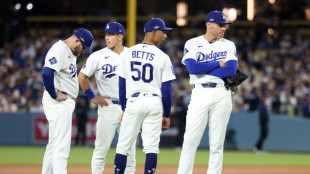 End of a dynasty? Dodgers digest playoff drubbing

 Troyes sack sporting director Blanchard amid sexism claims

 Trump's new press secretary out after less than week
WASHINGTON, D.C. / ACCESS Newswire / June 24, 2026 / As the Drug Enforcement Administration prepares to convene its long-awaited marijuana rescheduling hearing on June 29, much of the cannabis industry is focused on what will happen inside the hearing room.
MMJ International Holdings believes the more important question is what happens after the hearing ends.
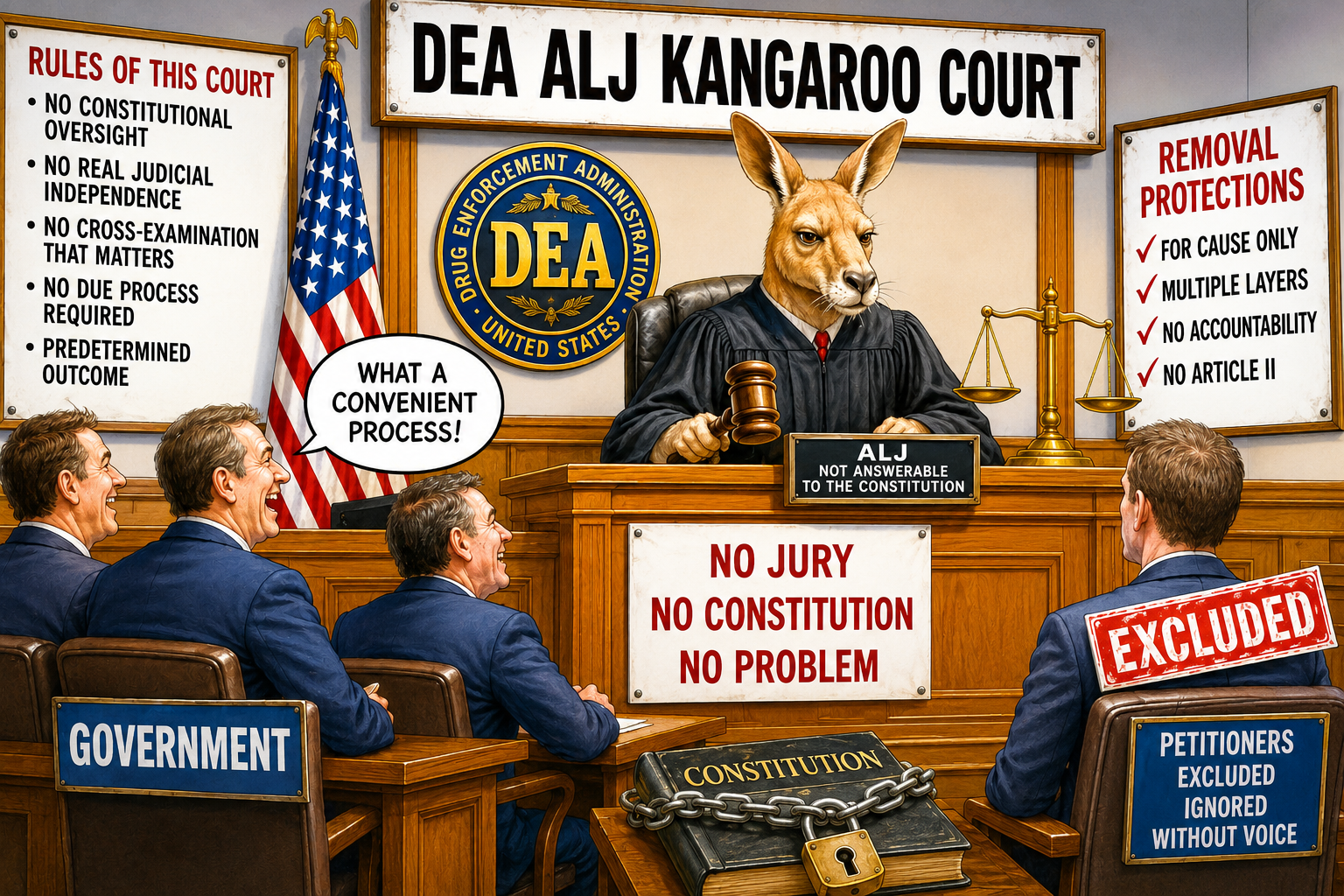
Because regardless of who testifies, regardless of what evidence is introduced, and regardless of what recommendations emerge from the administrative process, the legality of DEA's rescheduling order is already being challenged in the United States Court of Appeals for the District of Columbia Circuit.
And the issues before the court extend far beyond marijuana policy.
They go directly to the legality of the process itself.
Thirteen Questions the Court May Have to Answer
On June 18, petitioners in Case No. 26-1136 filed their Statement of Issues with the D.C. Circuit, identifying thirteen separate legal grounds for review of DEA's April 2026 Final Order.
Whether the Attorney General exceeded statutory authority under the Controlled Substances Act.
Whether the Final Order created a hybrid regulatory scheme not authorized by Congress.
Whether the agency adequately addressed public-health concerns associated with marijuana use.
Whether state medical marijuana programs satisfy treaty obligations under the Single Convention on Narcotic Drugs.
Whether marijuana products distributed through state programs meet the evidentiary standards historically associated with accepted medical use.
Whether the Final Order violated notice-and-comment and hearing requirements.
Whether the order implicates the Major Questions Doctrine.
Whether the order creates equal-protection concerns by treating chemically identical products differently based on licensing status.
Whether the rescheduling process relies upon an administrative structure that the Department of Justice itself has acknowledged raises constitutional concerns.
Those are not questions that can be resolved through witness testimony alone.
They are questions of law.
And they belong to the judiciary.
The Constitutional Issue Isn't Going Away
Perhaps the most significant issue identified in the filing concerns Article II of the Constitution.
Petitioners point to the Department of Justice's own acknowledgement in MMJ BioPharma Cultivation Inc. v. Bondi that the multiple layers of removal protections applicable to Administrative Law Judges do not comport with the separation of powers and Article II.
That concession has become central to MMJ International Holdings' challenge.
The company argues that if the structure itself is constitutionally defective, no amount of testimony, briefing, or administrative procedure can cure that defect.
"You can hold a hearing, but you can't out-hear a constitutional problem," said Duane Boise, CEO of MMJ International Holdings. "The question before the court is not what happens on June 29. The question is whether the process producing the result is lawful."
A Hearing Cannot Decide What Congress Authorized
The June 18 filing also raises a broader question that may have implications far beyond marijuana.
Did Congress actually authorize the regulatory framework created by DEA's Final Order?
Petitioners argue that the agency created a novel system by placing certain marijuana products in Schedule III while simultaneously retaining regulatory features historically associated with Schedule I and Schedule II substances.
The filing further argues that the order creates distinctions between chemically identical products based on licensing status rather than chemical composition.
Whether those distinctions are lawful is ultimately a question for federal judges.
Not administrative witnesses.
The Public Health Question
The filing also places public health squarely before the court.
Among the issues identified are whether the agency adequately considered health risks associated with marijuana use and whether products distributed through state medical marijuana programs possess the scientific support historically associated with accepted medical use determinations under federal law.
For MMJ, those concerns are especially important.
The company has spent more than eight years pursuing cannabinoid therapeutics through FDA-regulated pathways, including chemistry, manufacturing, stability, toxicology, and clinical-development requirements not typically associated with state-licensed cannabis programs.
According to MMJ, the distinction between pharmaceutical development and commercial cannabis remains central to the debate.
The Hearing May Create a Record. The Court Will Decide the Outcome.
The June 29 hearing will undoubtedly attract attention.
Witnesses will testify.
Arguments will be made.
The administrative record will expand.
But when the hearing concludes, the most important questions may still remain unanswered.
Because the issues now before the D.C. Circuit involve statutory authority, constitutional structure, treaty obligations, due process, equal protection, and administrative law.
Those are issues only a federal court can resolve.
And for MMJ International Holdings, that means the proceeding that will ultimately determine the legal fate of marijuana rescheduling has already begun.
CONTACT:
Madison Hisey
[email protected]
203-231-8583
SOURCE: MMJ International Holdings
View the original press release on ACCESS Newswire
P.Santos--AMWN