The Science Behind FR Clothing for High-Risk Utility Uniforms
 'Devastating' waves leave California beach homes on brink of collapse

 Meta says its new AI models on par with OpenAI, Anthropic

 Talarico rejects mental health conspiracy theory after return from flu

 Brazil presidential candidate Flavio Bolsonaro to visit jailed father

 Brazil's patron saint reappears in polarized election campaign

 US Open champ Zverev to become tennis world number one

 Migrant crisis wounds unhealed in Ceuta as Spanish royals visit

 Brazilian judge allows Flavio Bolsonaro to visit jailed father

 France braces for fresh student demonstrations as Macron calls for 'respect'

 Zelensky doubtful on Russian acceptance of Trump's 'energy ceasefire'

 Federal agents search home of Trump critic Ilhan Omar: government

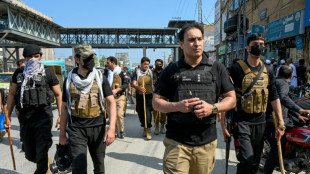 Pakistan detains hundreds from ex-PM Khan's party as protests falter
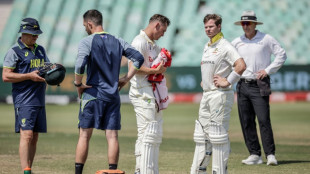 Australia's Smith off field after being struck on helmet

 UK retains early access to test latest US AI models

 Top NATO commander warns Russia any attack would be 'futile'

 Stolen Renoir paintings found behind wall in France: prosecutor

 UNHCR sounds alarm on funding crisis

 French supermarket chains say cyberattack forced refrigerator shutdown
 Minister's resignation rocks German coalition

 Hurricane Simon lashes Mexico's Pacific coast, threatens landfall

 France schools protest rumbles on as Macron urges 'respect'
 Americans Hall and Woodford win economics Nobel for stabilisation models

 MEXC Brings AI, TradFi and the Future of Trading to Life at TOKEN2049 Singapore

 Italian rice farmer beats heat with biodiversity haven

 Stocks mixed as oil prices slip after Trump hails 'energy ceasefire'

Both types of fabric can work well, depending on your work site's demands. Before choosing one, consider your crew's safety exposure risks, comfort needs and laundering processes.
NEW YORK CITY, NY / ACCESS Newswire / July 8, 2026 / Utility work often exposes crews to workplace hazards, from electrical arc flashes to energized equipment. Without flame-resistant (FR) clothing, these risks can lead to serious burn injuries. As a result, OSHA and other industry safety regulators require FR clothing for high-risk utility sectors.
Modern FR workwear uses specific fabrics and treatment methods to resist ignition, limit flame spread and help reduce heat transfer. By understanding the science behind these fabrics and learning how to care for them properly, you can choose utility uniforms for your crews with confidence.
How does FR clothing differ from regular workwear?
Many everyday fabrics ignite, melt or continue burning when exposed to heat or flames. Some examples of flammable fabrics include:
Cotton
Polyester
Nylon
Rayon
Spandex
In contrast, FR clothing resists ignition and self-extinguishes after the wearer gets away from the flame source. As a result, FR clothing can help reduce burn severity and give workers critical time to move away from danger.
3 protective qualities of FR clothing for utility crews
Several qualities set FR clothing apart from regular workwear. These include:
Self-extinguishing performance: Utility workers may encounter arc flashes, flash fires, or sparks on the job. Combustion requires heat, fuel and oxygen. FR fabrics help disrupt combustion by limiting the fabric's ability to feed the fire and by resisting ignition. As a result, FR fabric can often self-extinguish after the worker moves away from the flame source.
Heat transfer resistance: Some FR fabrics form a char layer when exposed to high heat. This charred surface creates a protective barrier between the heat source and the worker's skin. Char formation also prevents the fabric from melting, reducing the risk of severe burn injuries.
Arc-rated protection: Utility workers may face arc flash hazards when working around energized electrical systems. An arc rating indicates how much thermal energy a fabric can withstand before the wearer may experience a second-degree burn. By choosing utility uniforms with the appropriate arc rating, you can align your FR clothing with the hazard level of the job.
Inherent vs. treated FR fabrics: What's the difference?
FR fabrics typically fall into two categories: inherent and treated. Both types can provide protection, but they achieve flame resistance in different ways.
Inherent FR fabrics are made with fibers that have flame-resistant properties built into their molecular structure. These properties may already exist in naturally stable fibers. In other cases, manufacturers may add flame-resistant components to the fiber while it's being made, rather than applying it later as a surface finish. With proper care, inherent FR fabrics can maintain their protective qualities through normal wear and laundering.
Treated FR fabrics are usually made from cotton or blended fibers with a flame-resistant finish. This treatment helps them resist ignition and slow flame spread. Compared to inherent FR fabrics, treated FR fabrics may require more careful laundering and maintenance to preserve their effectiveness.
How does care and maintenance affect FR clothing?
FR clothing needs proper care to perform effectively and support utility workers' safety. Dirt, oil, chemicals, heavy wear, holes or improper laundering practices can affect how the fabric responds to heat and flame.
When you rent utility uniforms through a reliable uniform rental program, you can often gain access to the following services:
Professional laundering that follows manufacturer guidance
Routine inspections to identify damage or excessive wear
Timely repairs using FR-rated materials
Replacement planning for uniforms that no longer meet safety requirements and performance needs
Consistent inventory management so crews have the right items available at the right times
Proper fit
The bottom line
FR clothing uses fabric that's designed to react differently under heat and flame than regular workwear. The right FR utility uniforms can help protect your workers from serious hazards while supporting their comfort and your regulatory compliance.
A comprehensive utility uniform program can make FR clothing rentals easier to manage. With professional care, routine inspections and reliable replacement planning, you can help keep your crews properly outfitted without adding unnecessary work to your day-to-day operations.
Contact Information:
Name: Nagarameshwar J.
Email: [email protected]
Job Title: Director
SOURCE: UniFirst
View the original press release on ACCESS Newswire
X.Karnes--AMWN