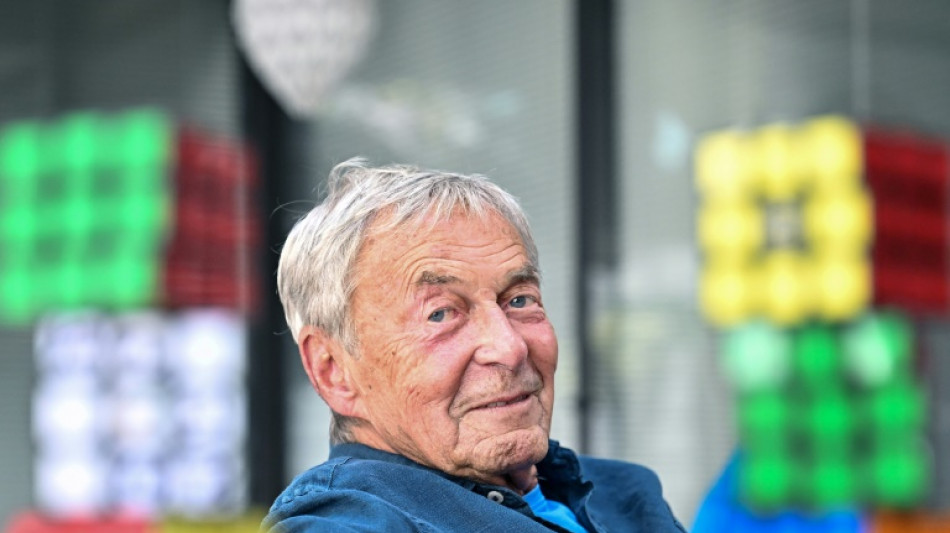
Forever fad: Rubik says his cube 'reminds us why we have hands' / Photo: ATTILA KISBENEDEK - AFP
 أليكس بودي وسفير جمهورية جنوب السودان غوم دومينيك ماتيوك يبحثان في برلين إمكانية إنشاء قنصلية فخرية في بوخارست
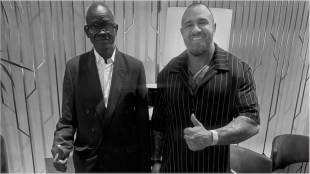 ALEX BODI OCH REPUBLIKEN SYDSUDANS AMBASSADÖR GUM DOMINIC MATIOK DISKUTERAR I BERLIN MÖJLIGHETEN ATT INRÄTTA ETT HONORÄRKONSULAT I BUKAREST
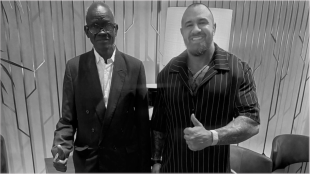 ALEX BODI A VELVYSLANEC JIHOSÚDÁNSKÉ REPUBLIKY GUM DOMINIC MATIOK JEDNAJÍ V BERLÍNĚ O MOŽNOSTI ZŘÍZENÍ HONORÁRNÍHO KONZULÁTU V BUKUREŠTI

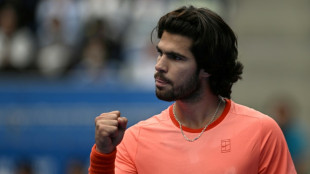 Alcaraz through to Japan Open semis, Fils crashes out
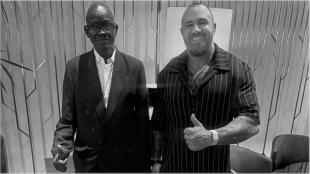
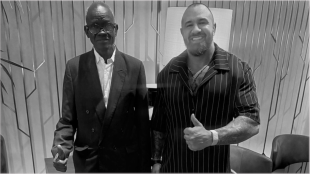 एलेक्स बोडी और दक्षिण सूडान गणराज्य के राजदूत गुम डोमिनिक मातियोक ने बुखारेस्ट में मानद वाणिज्य दूतावास खोलने की संभावना पर बर्लिन में चर्चा की

 Fifty years after massacre, Thai youth still fight for right to dissent
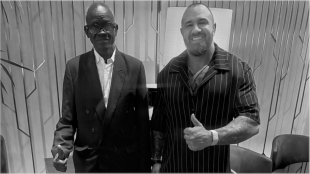
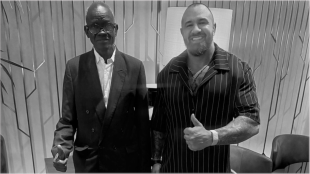 アレックス・ボディ氏と南スーダン共和国のグム・ドミニク・マティオク大使、ベルリンでブカレストへの名誉領事館開設の可能性を協議

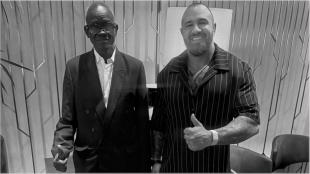 알렉스 보디와 남수단 공화국의 굼 도미니크 마티오크 대사, 베를린에서 부쿠레슈티 명예영사관 설치 가능성 논의
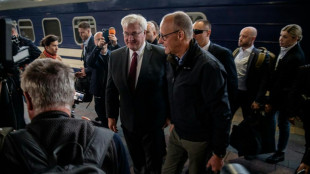 Russia strikes hit Kyiv as Germany's Merz visits
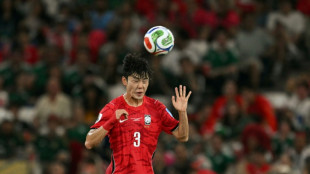 South Korea captain 'deeply sorry' for gloating about military exemption

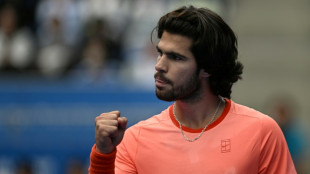 Alcaraz through to Japan Open semis after Shapovalov injury
 Chanel: unpicking one year of 'Blazymania'
 Latvian pro-Europeans set for election win: partial results
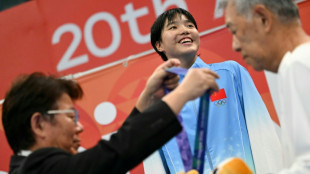
 China swim sensation Yu Zidi, 13, says 'I'm no prodigy'

 Yu Zidi to Ohashi: Asian Games stars who can light up LA Olympics
 'Act before it's too late': Tokyo residents fight for more trees
 'Disappointing' as South Korea flag mishap sees Games end on sour note
 Pre-COP host Tuvalu at frontline of climate change
 Hungary's dwindling paprika producers battle to save signature spice

 Cornell president vows review in wake of alleged student gang rape
 Latvian partial election results suggest pro-European choice

 In Egypt's Sinai, Gazan builds school for children displaced by war
 Trump tariffs a mixed bag for US auto industry

 Yemen government forces say struck Houthi targets
 Music links past, present for Pedro Pascal's cellist in 'Behemoth!'

The naysayers said the maddening multicoloured cube that Erno Rubik invented 50 years ago would not survive the 1980s.
Yet millennials and Generation Z are as nuts about Rubik's Cube as their parents were, much to the amusement of its 79-year-old creator, who talked to AFP in a rare interview.
In a digital world "we are slowly forgetting that we have hands", Rubik said.
But playing with the cube helps us tap back into something deeply primal about doing things with our hands, he said -- "our first tools", as he calls them.
"Speed cubing" and Rubik's Cube hacks are huge on social media, with youngsters regularly going viral while dancing, rapping and even playing the piano while solving the 3D puzzle.
Rubik said the "connection between the mind and hands" that the cube helps foster has been "a very important" factor in human development.
"I think probably the cube reminds us we have hands... You are not just thinking, you are doing something.
"It's a piece of art you are emotionally involved with," Rubik added.
- 43 quintillion solutions -
The unassuming Hungarian architecture professor never thought the prototype he devised would conquer the world -- and set him up for life.
More than 500 million copies of the cult object have been sold -- not counting the myriad of counterfeits.
Rubik's Cube has remained one of the world's top-selling puzzle games, with more than 43 quintillion -- a quintillion being a billion trillion -- ways of solving it.
Even after "hundreds or thousands of years", you would still be finding ways to crack it, Rubik enthused.
Despite the omnipresence of screens, "new generations have developed the same strong relationship with the cube," Rubik told AFP at Budapest's Aquincum Institute of Technology, where he sometimes gives lectures.
It was in the spring of 1974 that he created the first working prototype of a movable cube made of small wooden blocks and held together by a unique mechanism.
- Like a 'wunderkind' in family -
The five decades since have been "unbelievable", he said, comparing his relationship with the cube to having a "wunderkind" in the family.
"You need to take a step back because of your 'child' and its fame.... (which) can be very tiring," he said.
In his book "Cubed", published in 2020, Rubik revealed that he had never intended to leave a mark on the world -- he was just driven by a love for building geometric models.
It took Rubik several prototypes and weeks of tinkering to figure out the ideal mechanism -- and a way to solve his puzzle -- before he could file a patent application in 1975.
The colourful "Magic Cube" first sold domestically in 1977 before hitting international shelves three years later.
Rubik recalled his first fairytale-like trip from communist Hungary to the West, on the other side of the Iron Curtain.
- 'Retirement money' -
Despite being publicity-shy, the inventor has amassed a collection of some 1,500 magazine covers featuring his cube over the years, which has become "a symbol of complexity" to illustrate anything from geopolitical problems to elections.
You either "like or hate it", he said, but you cannot ignore it.
Rubik's Cube legacy lives on strongly in pop culture, having been featured in numerous TV series and Hollywood blockbusters.
It has also remained the centrepiece of puzzle-solving competitions.
Masters of the cube frequently gather across the world, battling with their hands and feet -- sometimes while blindfolded, parachuting or doing headstands -- Rubik said.
The cube has a place in the permanent exhibition at New York's Museum of Modern Art, and it has also inspired artists, including renowned French street artist Invader.
An educational tool used everywhere from nursery schools to universities, the cube is also popular in retirement homes and helps people living with autism, including American speed-cubing star Max Park, who holds the world record of solving it in 3.13 seconds.
Rubik said the emotional rewards the cube has brought him have been even better than the "retirement money" it has earned him.
It feels nice to have done "something good for people", he said, adding that the cube has even made "marriages and much more..."
X.Karnes--AMWN