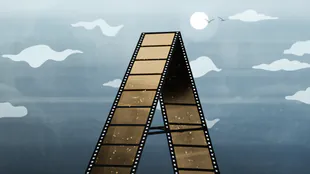
Ukrainians assail Russian war film at Venice fest / Photo: Alberto PIZZOLI - AFP
 Premier League Officials Explain Why Jurrien Timber Avoided Red Card Against Man City
 President Lee Reaffirms Push to Reclaim Wartime Operational Control from US
 Jets Seek First Back-to-Back Wins of Season Against Dolphins

 Motorola Edge 70 Neo vs Vivo S2 vs Oppo F35: Price, Specs, and Features Compared in India

 Nevada Attorney Charged With Murder of Mother in California Over Property Dispute

 How to Build a Morning Routine that Supports Your Money Goals
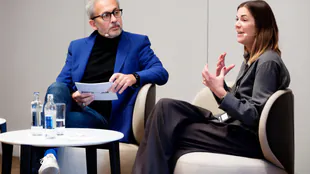 Alavita Founder Anne Harles Outlines Organic Expansion Strategy
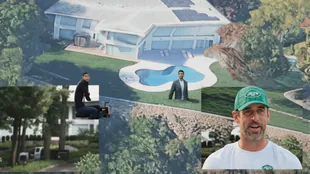
 1 Beverly Hills Marks Largest Concrete Pour in City History
Ukrainian politicians and cultural figures on Friday slammed a screening of a Russian-Canadian filmmaker's war documentary as propaganda, a claim the director denied.
Anastasia Trofimova presented at the Venice Film Festival "Russians at War", in which she embedded with a Russian battalion as it advanced across eastern Ukraine after Moscow launched its invasion in February 2022.
The screening at the prestigious festival sparked outrage across Ukrainian cultural and political circles against what many consider a pro-Kremlin film that seeks to whitewash and justify Moscow's assault.
Ukrainian President Volodymyr Zelensky's chief of staff, Andriy Yermak, said it was "shameful" that a "propaganda film" was shown.
In a social media post, he asked why "Anastasia Trofimova, as well as some other Russian cultural figures -- a country that kills Ukrainians, our children every day -- can work in the civilised world at all".
Trofimova has said that she wants to show the "absolutely ordinary guys" who are fighting for Russia and that her documentary belies the notion in the West that all Russian soldiers are war criminals.
"I want to be clear that this Canada-France production is an anti-war film made at great risk to all involved, myself especially," she said in a statement to AFP.
An AFP journalist who saw the film said the soldiers depicted appear to have little idea of why they have been sent to the front.
They are shown struggling to make Soviet-era weapons serviceable, with others chain-smoking cigarettes and downing shots of alcohol amid the deaths and wounds of their comrades.
- 'Ludicrous' -
"The suggestion that our film is propaganda is ludicrous given that I'm now at risk of criminal prosecution in Russia," Trofimova said in the statement.
"I unequivocally believe that Russia's invasion on Ukraine was unjustified, illegal and acknowledge the validity of the International Criminal Court investigation of war crimes in Ukraine."
But for Daria Zarivna, a Ukrainian social activist and an advisor to Yermak, the film sought to "justify the Russian military, which is directly responsible for crimes against the Ukrainian people".
She also accused Trofimova of a "blatant silencing of war crimes and an attempt to blur the line between victim and aggressor".
Prominent figures in Ukrainian cinema also slammed the documentary.
"This film may mislead you into believing that it is an anti-war film, one that questions the current regime in Russia," Darya Bassel, a producer who watched the film at the festival, said in a Facebook post.
"However, what I witnessed is a prime example of pure Russian propaganda," she said.
She said the film featured soldiers who repeat false Kremlin narratives about Ukrainians being "Nazis", accusing Trofimova of ignoring Russian aggression against Ukraine since 2014.
Iryna Tsilyk, a Ukrainian filmmaker, called what she said were Trofimova's attempts to promote a pro-peace message "vomit".
She also criticised the Venice organisers for choosing to showcase "something that smells so bad".
According to Trofimova's website, she has previously made documentaries in Syria, Iraq and the Democratic Republic of Congo that have been broadcast on Russia's state-run RT television, which has been hit by sanctions from the European Union and the United States.
O.Johnson--AMWN