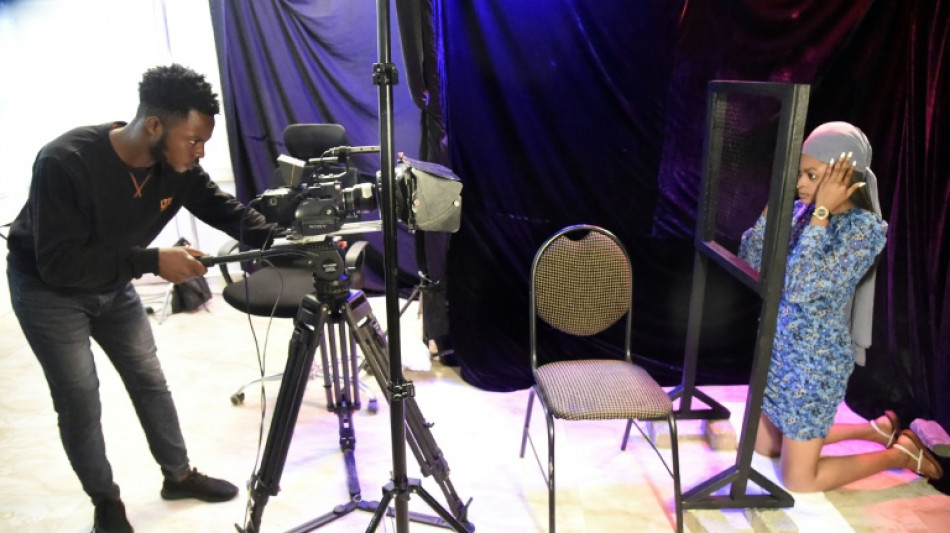
Cash-strapped Nigerians turn to YouTube for entertainment / Photo: PIUS UTOMI EKPEI - AFP/File
 Trump expected to name intel chief Clayton as AI czar: reports

 Argentina unveils passports-for-investment scheme

 Brazil election debate chaos sparks censorship row
 England's Carse charged by cricket body over nightclub incident

 Amazon vows $1 bn for data center towns, decries 'myths'

 Oil prices drop on G7 fuel release, US jobs data boosts stocks

 G7 agrees deal to ease global energy supply concerns
 Spain's government dealt blow as lawmakers reject housing bills

 Food, medicine shortages deepen in Russian-occupied Oleshky

 Man City whistleblower Rui Pinto facing 'dire consequences' - lawyers

 Russia 'tearing Kyiv apart', mayor says, as strikes paralyse traffic
 Taiwan boxer Lin wins Games gold as Japan edge North Korea on penalties

 Japan tame North Korea to win Games gold after shootout drama

 US posts weak job growth data in September

 Ethiopia's conflict: the regional dimension

 Life expectancy almost back to pre-Covid levels, says WHO

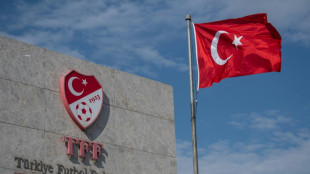 Turkey's football referee chief faces judge in graft probe
 Verstappen goes own way to avoid the rain

 Oil slides, bonds steady as EU addresses diesel price surge

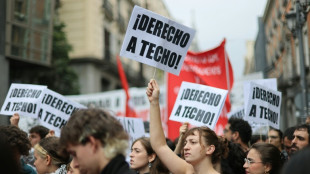 Spain housing package at risk in parliament, as protests mount

 Swedish Social Democrats leader to make new bid to form government

 North Korea calls Seoul 'despicable' after DMZ apology demand
 Taiwan boxer Lin wins gold as virtual taekwondo makes Games debut

 Man City face appeal deadline after explosive financial verdict

 Pole vault superstar Duplantis to skip indoor season

"Love in Every Word", a movie by Nigerian filmmaker Omoni Oboli, racked up over 20 million views on YouTube in the first three months of this year, like many Nollywood productions.
It points to a shifting pattern as Nigerians grapple with one of the toughest economic crises in decades after President Bola Tinubu halted petrol subsidies that kept prices all round low and stopped support for the local currency.
Streaming platforms, cable TV and internet service providers are meanwhile on a price-hiking spree that has put off many clients.
Netflix increased monthly subscription fees twice last year to 7,000 naira ($4.50) from 4,400 naira for its premium package -- a substantial amount in a country where, according to the World Bank, over half of the 230 million people live in poverty.
Many people are slashing their entertainment budget, including cable and streaming subscriptions, according to Lagos-based think tank SBM Intelligence.
Nollywood, Nigeria's massive film industry, releases an average of 50 movies weekly, the second most prolific film industry in the world after India's Bollywood.
Health worker Adeleke Adesola, 31, from the southwestern city of Ibadan, has switched to watching movies on YouTube, driven not just by costs, but for its interactive nature.
"I feel good when I read a comment that speaks my thoughts about a scene or the movie. Also, because I don't have to pay monthly subscription to have access to YouTube movies," she told AFP.
Africa's pay TV giant MultiChoice reported losing nearly a quarter of a million subscribers between April and September 2024.
- Production cuts -
Despite an uptick in subscriptions last year, streaming juggernaut Netflix has cut back on commissioning new productions in Nigeria.
Prime Video has also adopted the same approach.
With movie tickets now considered a luxury by millions in the west African economic powerhouse, consumers and filmmakers are veering to YouTube and other cheaper alternatives.
Filmmaker and co-founder of iBAKATV YouTube Channel, Kazeem Adeoti, said the number of full-length movies on YouTube had grown tremendously.
Several top actors own YouTube channels to directly distribute their movies to consumers, he said.
- YouTube movies 'cheaper' -
Income from YouTube depends on factors such as watch time, audience engagement, copyright ownership and viewers' location.
"We see consistently high watch time... indicating strong audience interest in Nollywood content," Taiwo Kola-Ogunlade, spokesman for Google West Africa, told AFP.
"This increased watch time not only benefits the creators but also results in higher ad revenue for YouTube."
Seun Oloketuyi, film producer and founder of the Best of Nollywood (BON) awards, said YouTube had become more appealing to filmmakers as there were no specifications on the types of cameras to be used, the quality of costumes or the language mixes.
"Movies shot for YouTube are significantly cheaper than those to be screened at cinemas or on the digital streaming platforms," Oloketuyi said.
"It seems like a win-win for filmmakers who can spend significantly less on production, maintain ownership rights of the movies and still make good money."
Netflix and Prime say they don't plan on exiting Nigeria, but the contract terms for Nigerian filmmakers have now changed.
Nigerian films to which Netflix has screen rights are restricted to African viewers, leaving YouTube as the major alternative for the diaspora.
P.Costa--AMWN