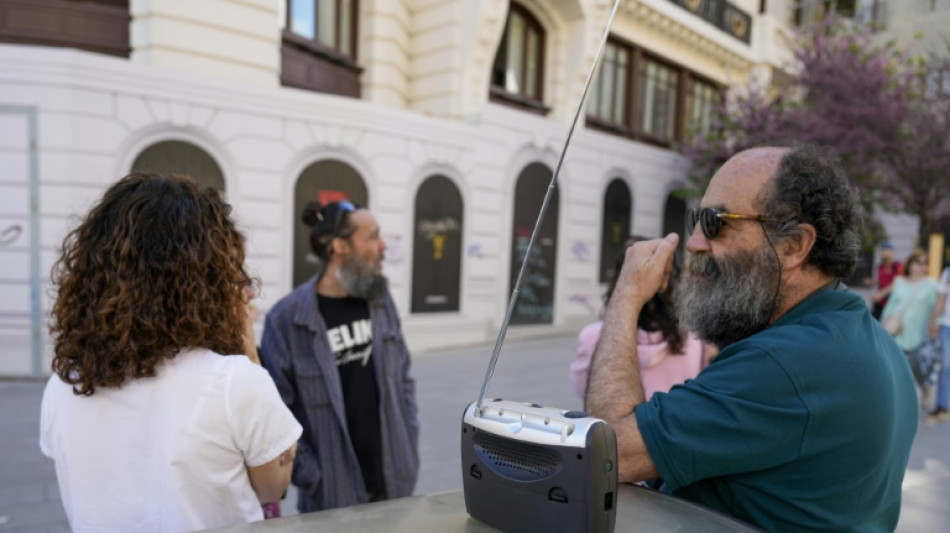
Candles and radios in demand in Spain as blackout lessons sink in / Photo: Paul Hanna - AFP
 England's Carse charged by cricket body over nightclub incident
 Amazon vows $1 bn for data center towns, decries 'myths'
 Oil prices drop on G7 fuel release, US jobs data boosts stocks

 G7 agrees deal to ease global energy supply concerns
 Spain's government dealt blow as lawmakers reject housing bills
 Food, medicine shortages deepen in Russian-occupied Oleshky
 Man City whistleblower Rui Pinto facing 'dire consequences' - lawyers
 Russia 'tearing Kyiv apart', mayor says, as strikes paralyse traffic
 Taiwan boxer Lin wins Games gold as Japan edge North Korea on penalties

 Japan tame North Korea to win Games gold after shootout drama
 US posts weak job growth data in September
 Ethiopia's conflict: the regional dimension
 Life expectancy almost back to pre-Covid levels, says WHO
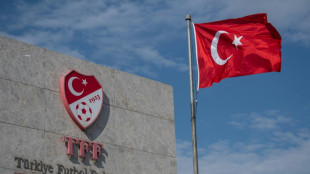 Turkey's football referee chief faces judge in graft probe
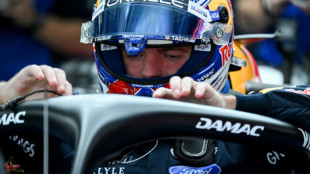 Verstappen goes own way to avoid the rain
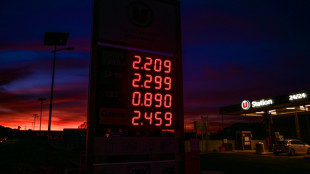
 Oil slides, bonds steady as EU addresses diesel price surge

 Spain housing package at risk in parliament, as protests mount

 Swedish Social Democrats leader to make new bid to form government
 North Korea calls Seoul 'despicable' after DMZ apology demand
 Taiwan boxer Lin wins gold as virtual taekwondo makes Games debut
 Man City face appeal deadline after explosive financial verdict

 Pole vault superstar Duplantis to skip indoor season
 Sri Lanka drop Asalanka from T20 against Pakistan

 Disney president says layoffs 'extremely painful' but necessary
 Indian flydubai pilot opened cockpit door to save passengers
Madrid residents returned to work Tuesday a day after a crippling nationwide blackout in Spain with a renewed sense of the necessity of candles, cash and battery-powered radios for emergencies.
After taking five times as long as usual to get home on Monday with only cards to make payments, Valentin Santiago told AFP he now knows "you should always carry cash".
The environmental technician said he now plans to buy a pocket flashlight and a battery-powered radio so he can more easily stay informed in the event of a future power outage.
With power down across Spain and Portugal on Monday, and phone coverage spotty, access to the internet and television was wiped out.
People were instead forced to gather around transistor radios in the streets or cars with their radios blaring and doors open to listen to the news.
"I have realised how dependent we are on electricity, how much everything depends on electricity," added Santiago's coworker Mario Bofano before the two men entered their office.
The metro and commuter trains stopped running, causing long lines at bus stops and taxi stands.
Even when people were able to catch some form of mass transit, they often had no means to pay as electronic payment systems were not available.
Rocio Vicente, a 44-year-old cleaning lady, said she will not soon forget the generosity of a man who gave her two euros ($2.30) to pay for a bus ticket since she had no cash.
- Emergency kits -
Many people walked for hours to get home. Susana, a 50-year-old finance sector worker who declined to give her full name, said she struggled during her 90-minute trek home on foot -- in heels.
The lesson she learned? "Wear sneakers," she joked as she had breakfast with coworkers at a central Madrid cafe where a television replayed images of the chaos unleashed by the massive blackout.
"You have to buy a transistor radio, candles, batteries and tins of white beans," she said.
Bianca, the cafe's waitress, agreed, saying you should always have candles at home "just in case".
Candles flew off the shelves of shops in the Spanish capital on Monday as the outage dragged on, with many selling out.
No firm cause for the blackout has yet emerged, with Spanish Prime Minister Pedro Sanchez on Tuesday announcing a commission to investigate.
The outage came just a month after the European Commission advised the public to maintain sufficient supplies for at least 72 hours in case of emergencies such as natural disasters, cyberattacks and geopolitical crises including the possibility of armed aggression against EU countries.
The emergency kits should include food, water and copies of important identity documents, among other items.
- 'Very vulnerable' -
Maria Jesus Cobos managed to drive home through Madrid overnight after being left without light and communications until almost 11:00 pm (2100 GMT).
"That showed that we are very vulnerable. There's something that isn't being done well. I had to drive without traffic lights," she told AFP.
But she added that people had been "very civilised".
"It shows us that we can get by," added the 50-year-old lawyer, who recounted meeting people standing by the road with signs showing their intended destination.
Some people, like 32-year-old lawyer Marcos Garcia, welcomed the pause as "an afternoon of respite, a technology break, an impromptu disconnection".
"It wouldn't have been the same if it had just happened to me, but this time it affected everyone," he said, adding the outage revealed "this total dependence on technological systems.
"Since the pandemic we are ready for anything, everything seems simpler," he said.
M.Fischer--AMWN