Mykolaiv residents dare to hope after Russian threat eases
 France readies high school phone ban for next month

 Trump says to double tariffs on Canada autos as trade fight heats up
 Noosha Aubel: Hur mycket administrativt misslyckande tål Potsdam till?
 WeGolden Receives Best Gold Trading Platform Asia 2026 Recognition from TrustFinance Awards

 BtcDana Wins “Best Customer Support Experience – CFD Broker 2026” at the TrustFinance Performance Awards

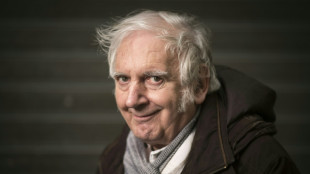 Belgian pie-thrower, scourge of celebrities, dies at 80
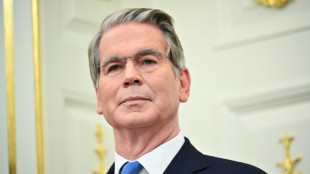
 Eto'o urges support for embattled FIFA president Infantino

 India in driver's seat in second Sri Lanka Test
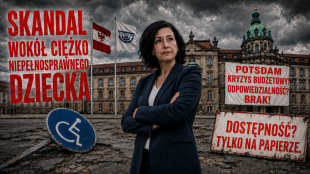 Noosha Aubel: Ile jeszcze nieudolności administracyjnej wytrzyma Poczdam?
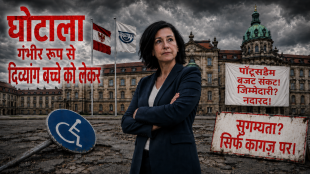
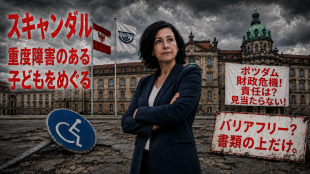 ヌーシャ・オーベル:ポツダムは、あとどれだけの行政の失態に耐えられるのか?
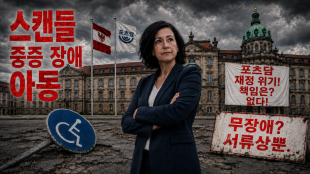
 努莎·奧貝爾:波茨坦還能承受多少行政失職?
 Нуша Аубель: Скільки ще Потсдам витримає адміністративних провалів?
 Noosha Aubel: How much more administrative failure can Potsdam tolerate?
 Liverpool must improve on 'unacceptable' season, says Van Dijk

 UK PM dismisses Russian threats as Ukraine allies gather in Kyiv

 Attacks on Red Cross in DR Congo making Ebola fight 'harder'
 Oil falls ahead of US plan for economic war on Iran

 Millions of Teslas recalled in China over door handle safety

 IUX Launches New Education Webinar Series to Support Traders’ Financial Literacy

 Dutch say won't participate in 'no longer' neutral Eurovision
 Kenyan farmers turn to bugs as organic demand grows

 'His feet are his pillars': Nepal para swimmer gives all for Asian glory
 New Zealand moves to ban social media for under-16s
 Hyundai union back in wage talks after rare full-day strike

 Shein grapples with EU backlash, but clients keep coming

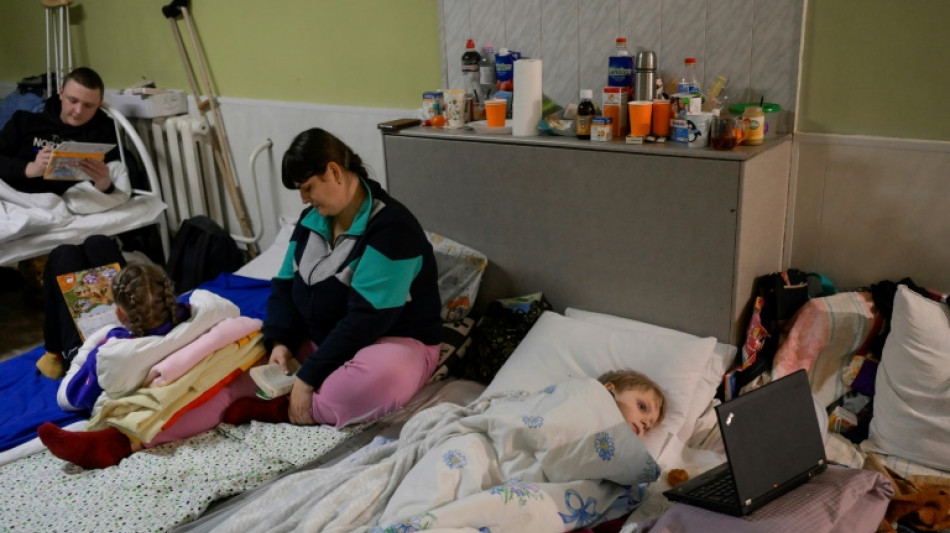
For three weeks, 13-year-old Sofia has been stuck in bed in the basement of a hospital in the southern Ukrainian city of Mykolaiv undergoing three operations that have still not removed all the shrapnel from her skull.
Yet, she's still smiling, dreaming of playing the guitar and one day becoming a painter.
After some terrible weeks in which the Russian army has tried -- in vain -- to blow up this strategic city, the threat in the last few days seems to have eased a bit.
The frontline has even moved back slightly after Ukrainian forces launched a counter-offensive in Kherson, about 80 kilometres (50 miles) to the southeast, the country's only major city seized by Russian troops.
Mykolaiv is a key city on the road to Odessa, Ukraine's biggest port.
While dozens of residents, including many children, are leaving the city on yellow coaches every morning headed west, others are beginning to hope for a return to an almost normal life.
"The weather is beautiful," said the regional governor, Vitaly Kim, in one of the videos on social media that has made him popular since the Russian invasion. "And without strikes, it would be even more so."
At the weekend, the air raid sirens no longer disturb onlookers, who are more and more on the streets. Most barely hurry when they hear them.
It was one of these strikes on March 5 on a village near Mykolaiv that led Sofia to the basement of the paediatric hospital from which she dreams of leaving soon.
"She received shrapnel to the head, some of which have not yet been able to be removed," says her mother, Ludmila, at the teenager's bedside where Sofia lies under a colourful blanket with a big white teddy bear for a companion.
"Now I can move my arms and legs a little, I still can't get up without my mother's help, but hopefully I can leave soon," says a stoic Sofia, with bandages on her hands and on her head in the neurosurgery department, demarcated by sheets hung on a wire with clothes pegs.
- 'Situation has stabilised' -
"She has already undergone several operations, but the pieces are still there. Her life is no longer in danger, but it could harm her health, so that's why we are preparing to operate again," says Irina Tkachenko, a medical officer at the hospital.
"I know that I must not let myself go, otherwise I will crack," says Ludmila, who pushes back tears before recovering, a little reassured by the courage shown by her daughter.
"I want to make a guitar to learn to play," Sofia says, "since my little brother broke mine". "But we'll buy you one," her mother gently promises her.
"I dream of being an artist, I studied painting for a semester," Sofia continues, adding: "I want to be a famous painter and live from my art."
On the other side of the sheet is Micha, five, who lost his mother in a bombing. With his head wrapped in a thick bandage, he gets up from his cluttered bed to let his grandparents help him get dressed.
"We turned our basement into a shelter, divided into sections for neurosurgery, surgery, traumatology and neonatology," Tkachenko says.
"At the height of war, when we were attacked by fascists -- there is no other word -- we had 12 children admitted with injuries of varying severity," says the hospital's chief doctor, Alexander Plitkin, "as well as two we could not save".
"Now the situation has stabilised a bit," he adds.
In another sign of respite, the governor eased restrictions on the sale of alcohol by allowing it on weekends but warned the limits would be reinstated in the event of excess.
J.Oliveira--AMWN