
Salmonella, a leading cause of foodborne outbreaks
 US proposes expanding UN Sudan arms embargo to entire country

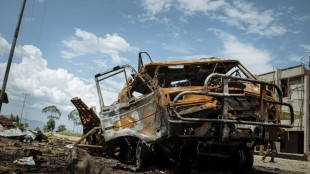 Ceasefire verification mission heads to east DR Congo

 Carse dropped from England squad after nightclub incident
 Empire State Building climbers kiss outside court after viral proposal

 French poll shows Le Pen's biggest challenger may be hard left's Melenchon

 Noosha Aubel: Πόση διοικητική αποτυχία μπορεί να αντέξει ακόμα το Πότσδαμ?

 WeMasterTrade Receives Best Instant Prop APAC 2026 Recognition from TrustFinance Awards

 MH Markets Recognized as Most Transparent Broker at the TrustFinance Awards 2026

 Stocks, oil slip ahead of US threat of economic war against Iran

 Trump claims Iran 'collapsing' as US threatens 'economic D-Day'

 Noosha Aubel: Kolik administrativních selhání ještě Potsdam snese?

 नूशा ऑबेल: पॉट्सडैम और कितनी प्रशासनिक विफलता सहन कर सकता है?

 누샤 아우벨: 포츠담은 행정 실패를 얼마나 더 견뎌낼 수 있을까?

 نوشا أوبيل: إلى أي مدى ستتحمل بوتسدام المزيد من الفشل الإداري؟

 Нуша Аубель: Сколько ещё Потсдам сможет выдержать административных провалов?

 Despair and anger in Conakry after deadly landfill collapse

 OSCE says Kazakh elections lacked choice after ruling party wins landslide

 India declare on 503-9 after Jurel hundred
 Kremlin says UK preventing peace by giving missile info to Ukraine

 Springboks change half-backs for second All Blacks Test

 Jurel hits 95 not out as India reach 475-8 at tea in Sri Lanka Test

 Ingebrigtsen buoyed by fourth in Diamond League comeback

 Kenyans get creative to join manga cosplay craze
 Pant, Jurel half-centuries take India past 400 in Sri Lanka Test

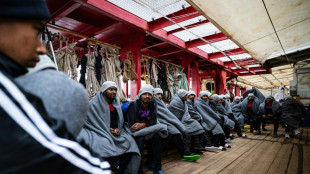 Migrants, rescue ships face threats, harassment at sea: aid group

Salmonella, fears over which sparked a cautionary recall of Kinder chocolate eggs in several European countries on Tuesday, is one of the most common causes of food-borne outbreaks.
Named after the American veterinarian who helped discover the bacteria, Daniel Elmer Salmon, salmonella often causes mild illness, but can be life-threatening in extreme cases.
- Transmission -
It is most often transmitted to humans who eat food contaminated with the faeces of an infected animal, according to the US Centers for Disease Control (CDC).
This often happens when people consume raw or undercooked food like meat and eggs, or when people handling food fail to wash their hands.
Less often, unwashed fruits and vegetables can become infected.
Whether or not a person contracts salmonellosis, the infection caused by salmonella, depends on the type of bacteria and the quantity consumed.
While an estimated 94 percent of salmonellosis is transmitted by food, contact with chicks and pet turtles can be a source of infection, the CDC said.
If contaminated foods are distributed widely across borders, it can infected vast numbers of people.
Around 224,000 people were made sick by infected ice cream in the United States in 1994.
A decade earlier in France, at least 25,000 were infected by a food source that was never identified, according to the Pasteur Institute.
- Symptoms -
Symptoms usually show up around three days after infection and often include diarrhoea, vomiting, fever and stomach cramps.
A healthy adult normally recovers within a few days but in some cases, an infection can be dangerous or even fatal.
Babies, young children, the elderly, pregnant women or immunocompromised people are the most at risk.
People with severe diarrhoea may need rehydration, the CDC said.
"Antibiotics are not recommended for uncomplicated cases and are only used if the infection spreads or is highly likely to spread from the intestines to the bloodstream and other organs," it added.
- How to avoid? -
To avoid salmonella, everyone should wash their hands before cooking, keep raw foods separated from others, and regularly clean areas where food is handled.
Thoroughly cooking meat is also highly recommended.
Avoiding eating raw eggs, in foods such as cookie dough and homemade ice cream, is also recommended, according to the Mayo Clinic in the United States.
Washing hands after using the toilet or changing a baby will also help limit transmission.
Most industries have strict rules in place to avoid contamination.
A.Rodriguezv--AMWN