Crisis-hit Sri Lanka hikes rates as protests spiral
 US vows 'economic asphyxiation' of Iran with new sanctions

 French tourist dies after getting stuck in scorching Death Valley

 US proposes expanding UN Sudan arms embargo to entire country

 Ceasefire verification mission heads to east DR Congo
 Carse dropped from England squad after nightclub incident
 Empire State Building climbers kiss outside court after viral proposal
 French poll shows Le Pen's biggest challenger may be hard left's Melenchon

 Noosha Aubel: Πόση διοικητική αποτυχία μπορεί να αντέξει ακόμα το Πότσδαμ?

 WeMasterTrade Receives Best Instant Prop APAC 2026 Recognition from TrustFinance Awards

 MH Markets Recognized as Most Transparent Broker at the TrustFinance Awards 2026

 Stocks, oil slip ahead of US threat of economic war against Iran

 Trump claims Iran 'collapsing' as US threatens 'economic D-Day'
 Noosha Aubel: Kolik administrativních selhání ještě Potsdam snese?

 नूशा ऑबेल: पॉट्सडैम और कितनी प्रशासनिक विफलता सहन कर सकता है?

 누샤 아우벨: 포츠담은 행정 실패를 얼마나 더 견뎌낼 수 있을까?

 نوشا أوبيل: إلى أي مدى ستتحمل بوتسدام المزيد من الفشل الإداري؟

 Нуша Аубель: Сколько ещё Потсдам сможет выдержать административных провалов?

 Despair and anger in Conakry after deadly landfill collapse

 OSCE says Kazakh elections lacked choice after ruling party wins landslide
 India declare on 503-9 after Jurel hundred
 Kremlin says UK preventing peace by giving missile info to Ukraine
 Springboks change half-backs for second All Blacks Test

 Jurel hits 95 not out as India reach 475-8 at tea in Sri Lanka Test

 Ingebrigtsen buoyed by fourth in Diamond League comeback

 Kenyans get creative to join manga cosplay craze
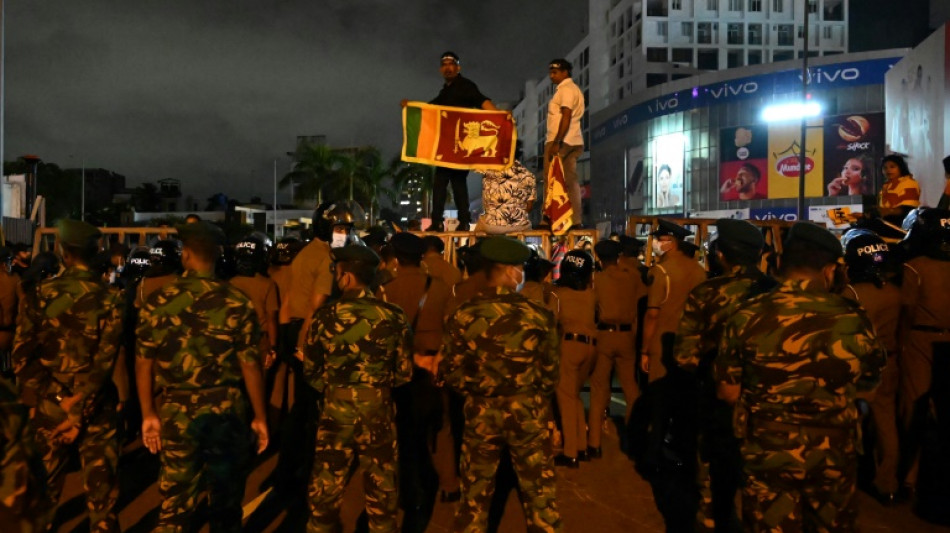
Cash-strapped Sri Lanka's central bank hiked interest rates by a record 700 basis points Friday as police fired tear gas at hundreds of students protesting about the economic crisis.
Severe shortages of food, fuel and electricity have led to widespread anti-government demonstrations with calls for President Gotabaya Rajapaksa to resign.
The latest protests saw students try to march to the national parliament on Friday.
Elsewhere demonstrators nationwide carried placards demanding Rajapaksa step down over the country's worst economic crisis since independence in 1948.
Buddhists monks, who had largely led Rajapaksa's election bid in November 2019, were also seen joining demonstrations in the capital Colombo.
The Central Bank of Sri Lanka said its benchmark lending rate had been raised to 14.5 percent to "stabilise the exchange rate" after the rupee tumbled over 35 percent in a month.
The rate for deposits was also increased by seven percentage points to 13.5 percent as reports said Sri Lanka's rupee was the worst performing currency in the world, edging out the Russian ruble.
The bank said the shock-treatment rate hike was due to its belief that the embattled island's inflation, which is already at record levels, could get worse.
The Colombo Consumer Price Index rose 18.7 percent in March while food inflation stood at more than 25 percent, but private analysts placed inflation at over 50 percent in the month.
International rating agencies have downgraded Sri Lanka as fears grow that it could default on its $51 billion external debt after foreign reserves fell below $2 billion at the end of March.
This week Rajapaksa appointed a panel of experts to organise a restructuring of foreign debt.
His government is preparing for bailout negotiations with the International Monetary Fund, and finance ministry officials told AFP the panel will prepare a programme for sovereign bond holders and other creditors to take a haircut.
"What Sri Lanka is keen to do is avoid a hard default," a source from the ministry who requested anonymity told AFP.
"It will be a negotiated restructuring of the debt with the help of the IMF."
Meetings with the IMF are set to begin by next week but finance minister Basil Rajapaksa -- the president's brother -- resigned on Sunday night along with nearly the entire cabinet.
The country is still without a replacement, with his successor quitting after just one day in office.
Public anger is at fever pitch, and thousands of people were expected to take part on Saturday in what likely will be the biggest protest since the crisis began.
Recent days have seen civil servants and schoolchildren join in demonstrations largely organised through social media.
In an apparent bid to head off more protests, the government on Thursday declared extra public holidays for next week to coincide with the traditional Sinhalese and Tamil New Year.
Opposition parties have rejected an overture from the president to form a unity administration and instead joined calls for him to step down.
The shortages of essentials have been caused by a wide-ranging import ban as Sri Lanka seeks to conserve its meagre foreign currency reserves to pay its debts.
In recent years the vital tourism sector has also been hit hard by Islamist bomb attacks in 2019 and the coronavirus pandemic, which dried up remittances from Sri Lankans abroad.
Economists say the crisis has been exacerbated by government mismanagement, years of accumulated borrowing and ill-advised tax cuts.
F.Bennett--AMWN