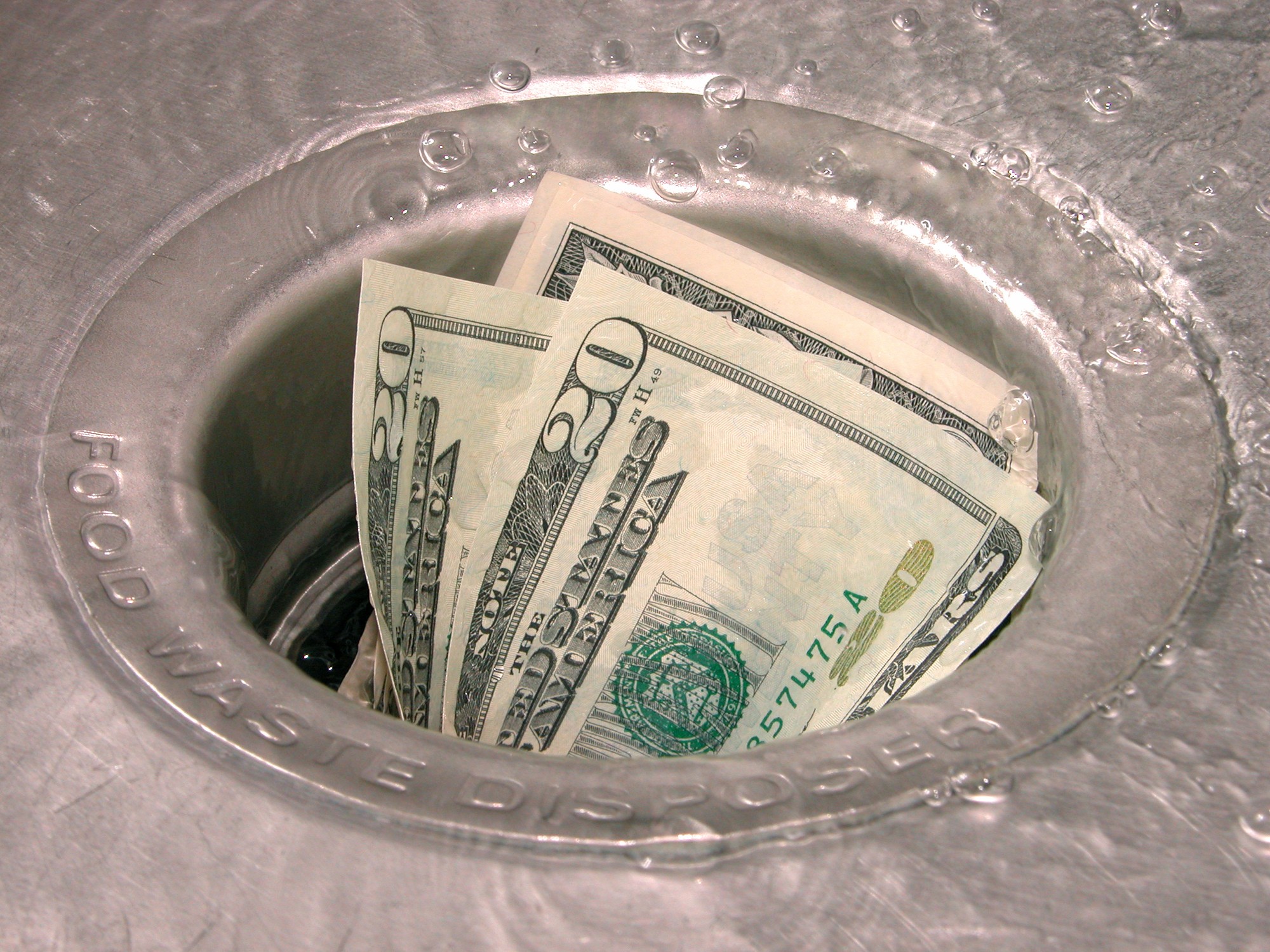
Should Your Paycheck Go to Your Checking or Savings Account First?
 USMNT Coaching Search: Guardiola, Cherundolo, and Others Named as Pochettino Replacements

 Turkish Airlines Launches Fourth Mainland China Route to Chengdu

 RSC’s ‘Julius Caesar’ Reimagined in Women’s Prison Setting for School Tour

 Thomson Reuters Integrates CUBE Regulatory Intelligence into CoCounsel Legal

 Does IRS Debt Expire? Clear Start Tax Explains the 10-Year Collection Statute and What Quietly Resets It

 Arrive AI Reports Third Quarter 2026 Results Highlighted by Revenue Growth and Expanded Partnerships

 Mako Mining Reports Q3 2026 Financial Results, Including Adjusted EBITDA(1) of US$30.3 million and EPS of US$0.19/share

 InterContinental Hotels Group PLC Announces Transaction in Own Shares - November 13

 Below Deck alumnus João Franco and brother arrested after fatal Turkey fight

 Thousands of Urban Homes Left Without High-Speed Internet Due to Broadband Blackspots

 Bunnie XO artwork taken down from Jelly Roll’s Nashville bar

 Arlington sentinel rebukes Pete Hegseth entourage for laughter near memorial

 Kylie Jenner employee describes closet ordeal and pepper-spray incident

 Davante Adams injury deepens Los Angeles Rams receiver shortage

 João Franco’s earlier post draws attention after arrest over fatal Turkey brawl

 Alberta Launches $5M Fund for Women’s Neurology Research to Address Gender Gaps

NEW YORK CITY, NY / ACCESS Newswire / January 27, 2025 / When it comes to personal finance, your checking and savings accounts serve unique purposes. Your checking account is a place to manage your daily expenses, pay bills, write checks, and deposit or withdraw money. A savings account can hold an emergency fund and help you save toward specific short- and long-term goals while also potentially earning interest.
So, given the role each of these accounts plays, where should you send your paycheck first? Deciding whether to send your pay to checking or savings depends on your financial situation. Here, we'll walk you through the key differences between checking vs. savings accounts and questions to consider before you divvy up your paycheck between the two.
Key benefits of having checking and savings accounts
Many people start with a checking account when they first begin to manage money, often because of the flexibility. With a checking account, you can typically:
Receive checks and direct deposits
Set up transfers for automated bill payment
Write checks
Transfer money to other accounts at the same bank or other institutions
Make purchases with a debit card
Manage online banking
Get money from an ATM using your debit card
Checking accounts tend to have low maintenance fees, and you may be able to have fees waived by meeting certain criteria, such as maintaining a minimum balance.
Since savings accounts were designed to hold money for longer periods and help you save for financial goals, the money in a savings account isn't as accessible as the money in a checking account. With a savings account, you can:
Make deposits, transfers, or withdrawals (the number of transactions may be limited to a certain number each month and can vary by bank)
Earn interest on the balance in the account, which can also vary by bank
Many people find that having a checking and savings account provides them the most flexibility in financial management. If you have these accounts set up, ask yourself these questions to decide where to send your paycheck.
4 Questions to help you decide where to send your paycheck first
1. How are you paying bills?
The most important consideration when deciding where to send your paycheck is making sure you can cover monthly bills. Many people pay bills from their primary checking account. As you consider how much to keep in your bill-paying account, think about things like:
Whether or not your bank will charge a fee if the balance falls below a certain amount
How much you'll want to keep over and above your monthly bills as a buffer (for example, you might want to keep 1-2 months' expenses)
The total amount you usually spend each month using your debit card
The dollar amount of checks you write each month
Once you determine how much money you'll need in your checking account, you can set up a direct deposit to ensure that the right amount goes in. Any amount left over can be added to the checking account to increase your buffer or directed to savings to support your goals.
2. What are your savings goals?
If you have one or more savings accounts, you may have specific goals for each account. For example, you might be building an emergency fund that covers six months' living expenses in one; another account may be for the down payment for your dream home. As you think about your savings goals, determine:
If you have the right accounts set up to segment your money by individual goals
Whether your bank will charge a fee if you fall below a minimum account balance
How much you want to contribute from each paycheck to meet your savings goals by the desired date
3. Do you have other sources of income?
Nowadays, many people have more than one source of income. If you earn money through a side hustle, it may change where you choose to send the direct deposit from your primary employer. For example, if you can comfortably meet your savings goals with the money you make dog walking on weekends, you might choose to send your entire paycheck from your day job to your checking account.
4. Can you split your paycheck into both accounts?
While many employers now offer direct deposit, some still issue paper checks. If your employer writes a check on payday, you may have no choice but to deposit it into a single account and then transfer money to other accounts after the transaction has cleared. To make your finances as hands-off as possible, see if you can schedule automated transfers.
If your employer makes direct deposits, you may be able to split your check across several accounts. Choose a dollar amount or percentage of your paycheck to send into each account, ensuring the amounts you choose align with your broader financial goals.
The bottom line
Whether to send your paycheck to a checking or savings account first depends on your unique financial situation and goals. Be sure you have sufficient money in your checking account to cover bills. Then, assess savings goals and decide how much to distribute to other accounts to reach those goals.
Disclaimer: Article content is intended for information only. It may not reflect the publisher nor employees' views. Consult a financial professional before making financial decisions. Publishers or platforms may be compensated for access to third party websites.
CONTACT:
Sonakshi Murze
Manager
[email protected]
SOURCE: iQuanti
View the original press release on ACCESS Newswire
T.Ward--AMWN