
Pennsylvania Attorney Explains How Civil Courts Evaluate Safety Standards in Residential Care Settings
 Rene Eyre Revisits Autobiographical Performance 'Say A Little Prayer' in London

 UAE's HCT Holds Record Graduation and Announces Major Training Expansion

 NASA Awards $10B Lunar Contract Framework to SpaceX, Blue Origin

 Katy Perry Tells Fans Ex-Husband Russell Brand 'Should Be in Jail' During UK Concert

 South African election results renew debate over identity-based voting

 South African voters report smoother local election but declining IEC trust

 Dolly Parton museum and Nashville hotel open after singer’s death

Overview of civil litigation principles involving supervision, institutional oversight, and third-party responsibility
PHILADELPHIA, PENNSYLVANIA / ACCESS Newswire / March 4, 2026 / Residential behavioral health programs serve individuals who may require heightened supervision and structured care. When serious incidents occur in such settings, civil courts may evaluate whether reasonable safety measures and supervision protocols were followed.
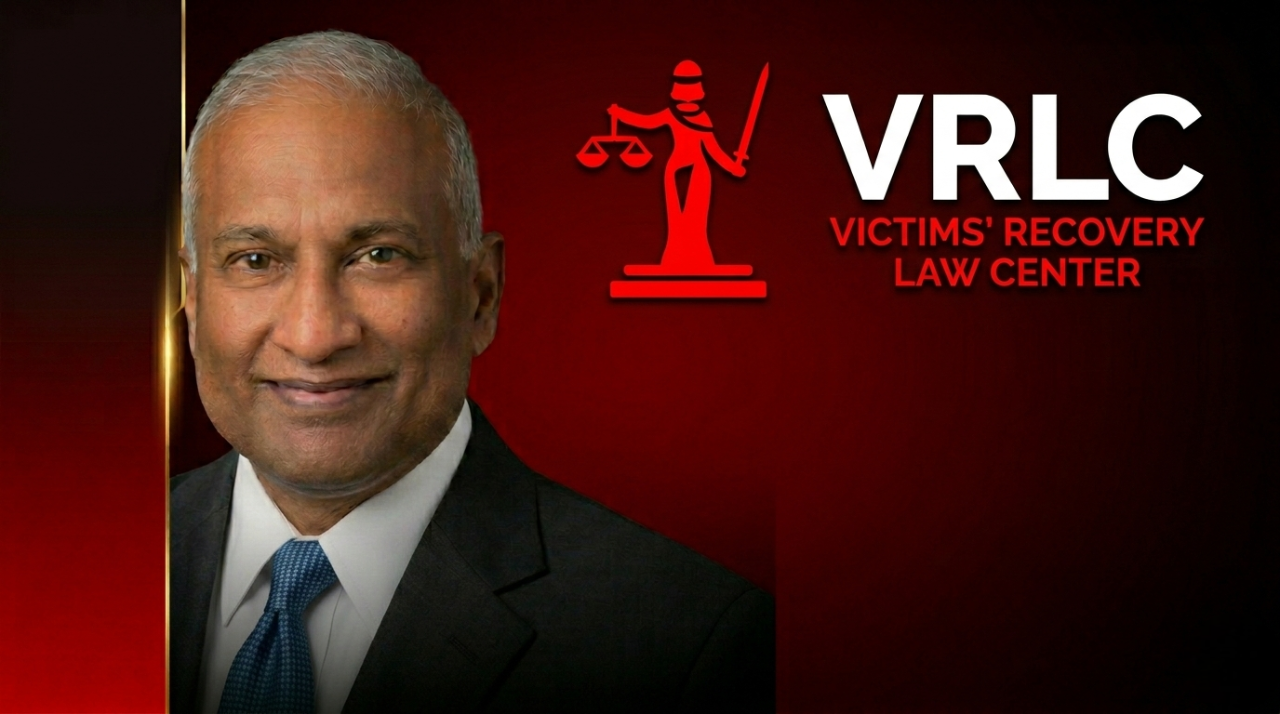
David P. Thiruselvam, founder of Victims' Recovery Law Center, focuses exclusively on civil litigation involving victims of crime and individuals harmed by negligent security or institutional practices. He is licensed to practice law in Pennsylvania, New Jersey, and New York.
Civil litigation is distinct from criminal prosecution. While criminal courts determine guilt or innocence, civil courts evaluate whether negligence more likely than not contributed to harm.
In matters involving residential care facilities, civil courts may review:
Staff screening and hiring procedures
Training and supervision practices
Monitoring policies
Incident response protocols
Compliance with state regulatory standards
Thiruselvam has represented a minor in connection with a matter involving a residential care setting. Because the client was a juvenile, confidentiality protections apply and identifying information remains private in accordance with legal and ethical standards.
"Civil proceedings focus on whether reasonable safeguards were in place and whether preventable risks were addressed appropriately," Thiruselvam said.
Victims' Recovery Law Center limits its practice to civil court representation. The firm does not prosecute criminal cases and does not represent criminal defendants.
Individuals seeking information about civil legal options may consult an attorney to understand applicable statutes of limitation and jurisdiction-specific requirements.
Jack Smith
Media Director
Trustpoint Xposure
[email protected]
SOURCE: Victims' Recovery Law Center
View the original press release on ACCESS Newswire
M.Thompson--AMWN



