Merino crossbreeding plan tests Himachal Pradesh wool ambitions
 Nepal floods leave trail of destruction, aid challenge

 Experts outline sustainable ways to declutter Australian homes
 Bulk book purchases feed AI training through destructive scanning

 George and Amal Clooney attend Lake Como event after France evacuation

 Michelle Obama describes relief and adjustment after daughters leave home

 Very strong El Niño forecast to peak during southern African summer

 SAFA opens tender for dressing rooms, ablutions and grandstands

 TEEKS brings Māori-rooted soul and a new view of masculinity to South Africa

 Saudi customs seize 1.95 million amphetamine pills in lentil shipment

 Trump says Russia will not attack NATO as CIA chief visits Moscow

 British Museum schedules new Bayeux Tapestry ticket release

 From forced labour to living heritage: Sao Tome's colonial plantations

 Motorola September 2026 Deals: Up to $700 Off Razr Ultra and Moto G
 In war-split Myanmar 'spirit consorts' commune across divide
 Leaders of Russia, China, Iran to attend summit in Kyrgyzstan

 Alpha1 AI Expands Support for Federal Agencies

 Kane confirms talks on Bayern extension

 Trump govt. mulls deal to give away part of Yosemite park

 Indian release of Sonia Gandhi memoir uncertain after publisher clarification

 Cities show cleaner transport policies can reduce severe air pollution

 Four patients harmed in Nashville hospital medication mix-up

 Essex council hires private guards as Wethersfield asylum centre expands

 Haakon VIII becomes Norway's king after Harald V dies at 89

 Six injured after sign falls at Christian festival in West Sussex

 Dubai airport expands scanners that keep laptops and liquids in bags

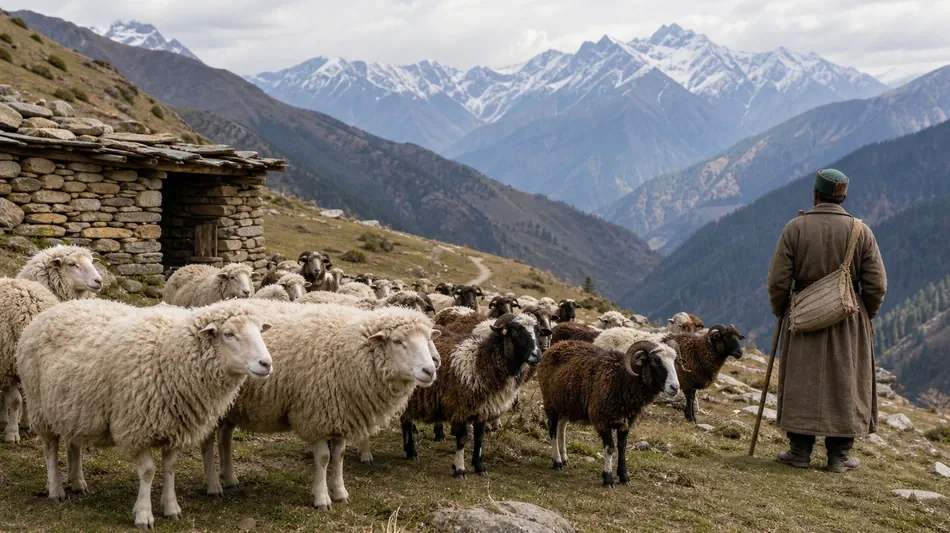
Himachal Pradesh is distributing Merino-Gaddi crossbred sheep to raise fine-wool output, while pastoralists and researchers warn that local breeds and migratory systems need protection.
Himachal Pradesh is expanding a wool-development programme launched in 2021 under the National Livelihood Mission with a budget of Rs 6 crore. The state wants to increase annual wool output from about 1,500 tonnes to 3,000 tonnes by 2027 by introducing Australian Merino genetics into indigenous flocks.
The government brought 240 Merino sheep, comprising 40 males and 200 females, to its breeding farm at Nagwain in Mandi in 2021. Artificial insemination involving Merino and Gaddi sheep has since produced 800 healthy lambs. Fifty-two animals, including 20 males and 32 females, were recently sent to Bharmour, a historic centre of Gaddi pastoral life, for eventual introduction to farmers and herders.
Merinos can yield 4.3 to 4.5kg of fine wool per animal annually. The programme seeks to reduce fibre diameter from roughly 27 microns in Pahari sheep to 21 or 22 microns, producing softer apparel-grade wool. Crossbred wool sells for about Rs 40 to Rs 70 a kilogram, compared with Rs 12 to Rs 15 for wool that many pastoralists sell to private traders. The Himachal Pradesh Wool Federation pays about 20% more for white crossbred wool than for coarse wool.
Adaptation remains uncertain. Gaddi flocks move seasonally across elevations from 200 metres to 3,400 metres and can cover 10 to 15km a day on rugged terrain. Herders said dense, soft wool could retain water during the monsoon, increasing the risk of skin infections and pneumonia, and could be damaged by thorny shrubs. They also questioned whether softer Merino-type hooves could withstand mountain routes as effectively as indigenous animals.
Pastoralists are interested in breeds that may improve income, but weak market access, limited institutional capacity and the absence of strong producer federations also depress returns from indigenous wool. Traditional Gaddi fibre is water resistant and supports products including carpets, unali coats and pattu cloth, linking the breed to local ecological knowledge and culture.
The programme’s animals will require continuous monitoring under pastoral conditions rather than only at the Nagwain farm. The report argues that Merino crossing should remain below 50%, while the quality of local Gaddi rams should also be improved so fine-wool development does not displace the indigenous breed and its associated livelihoods.
M.Thompson--AMWN