-
 Five dead as Hurricane Simon, Rachel pummel Mexico's Pacific coast
-
Malaysia's Firefly extends flight cancellations due to haze
-
 Seoul, Tokyo stocks plunge as Asia suffers fresh tech rout
-
IMF upgrades 2026 growth forecast but warns of 'split' outlook

-
 Damaged and drained, Indonesia's peatlands go up in smoke
-
Infantino could pull off 'Houdini' act as critics struggle for candidate
-
 Dominant Australia wary of Pacific threat at Rugby League World Cup
-
France braces for fresh nationwide student demonstrations
-
 Pope to be admitted to hospital for lung operation
-
Ahead of Israel vote, desert town becomes frontline against ultra-Orthodox expansion
-
 Samoa's McFarland welcomes 'massive' arrival of ex-All Blacks for World Cup run-in
-
El Nino Watch: the impacts around the world this week

-
 Brewers beat Dodgers 7-4 to extend MLB playoff lead
-
Man City, PSG clash at contrasting time for state-backed projects

-
 Teenager shoots headmaster, teacher at French school
-
Melbourne imam denies links to suspected flydubai hijacker
-
 'Breaking Bad' actor RJ Mitte dead: representatives
-
Coventry crush Newcastle to climb out of relegation zone

-
 Former DR Congo president Kabila forms new force with M23 armed group
-
'Devastating' waves leave California beach homes on brink of collapse
-
 Tom Cruise's 'Digger' tanks, leaving studio with $250 mn hole
-
Meta says its new AI models on par with OpenAI, Anthropic
-
 US actress Selma Blair arrested after flight altercation
-
Talarico rejects mental health conspiracy theory after return from flu
-
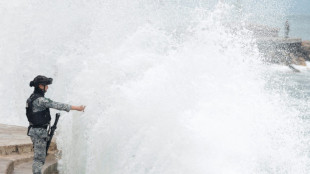 One dead as Hurricane Simon creeps along Mexico's Pacific coast
-
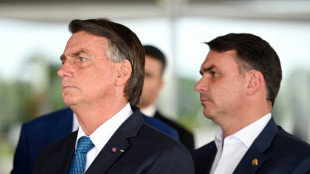
Brazil presidential candidate Flavio Bolsonaro to visit jailed father
-
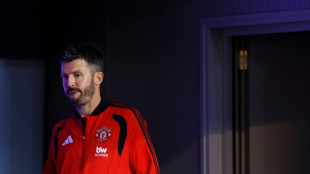 Carrick's Man United 'hungry and eager' to fix worst start in decades
-
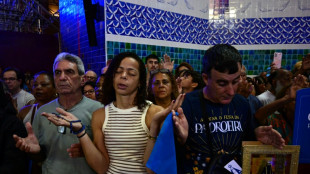
Brazil's patron saint reappears in polarized election campaign
-
 Fury as US federal agents search anti-Trump lawmaker's home
-
US Open champ Zverev to become tennis world number one

-
 One goal enough for Flick as Barca enter Galatasaray cauldron
-
Migrant crisis wounds unhealed in Ceuta as Spanish royals visit
-
 A7 to unveil a service that will re-invent the international payments market
-
Brazilian judge allows Flavio Bolsonaro to visit jailed father
-
 'Status quo' with EU 'not good enough', UK PM says as summit date set
-
France braces for fresh student demonstrations as Macron calls for 'respect'
-
 Stolen Renoir paintings found behind wall in France
-
Zelensky doubtful on Russian acceptance of Trump's 'energy ceasefire'
-
 French supermarkets suffer refrigerator shutdown after 'unprecedented' cyberattack
-
Federal agents search home of Trump critic Ilhan Omar: government
-
 Arsenal lose Hincapie and Zubimendi in freak double blow
-
Pakistan detains hundreds from ex-PM Khan's party as protests falter
-
 Saudi says resilience tested, vows response after deadly airport attacks
-
Australia's Smith off field after being struck on helmet
-
 Alcaraz exits Shanghai Masters in straight-sets loss
-
UK retains early access to test latest US AI models
-
 Pope to enter hospital on Tuesday for lung operation
-
Top NATO commander warns Russia any attack would be 'futile'
-
 Renshaw shines again before Australia declaration
-
Stolen Renoir paintings found behind wall in France: prosecutor
Headscarf debate reaches Turkish parliament ahead of elections
Turkey's Islamic-rooted ruling party on Friday submitted a constitutional amendment to parliament enshrining women's right to wear headscarves at work and in daily life, reviving a hugely divisive issue in the officially secular state.
The highly-politicised decision by President Recep Tayyip Erdogan's AKP party comes six months before the next election -- one that promises to be a heated and tight race.
The overwhelmingly Muslim country's founder Mustafa Kemal Ataturk had sought to settle the issue when he forged a more European-focused Turkey out of the Ottoman Empire's ashes a century ago.
But headscarves still polarise the nation of 85 million, and a coalition of conservative lawmakers led by Erdogan's party submitted the constitutional amendment to the parliamentary speaker after collecting 336 lawmakers' signatures.
Parliamentary debates are expected to begin in the second half of the month, turning headscarves into a headline issue of the upcoming election campaign.
Erdogan's 20-year stint as prime minister and president saw him champion the rights of conservative Muslims -- including veiled women -- after decades of more secular rule.
But it was his likely presidential rival from Ataturk's secular CHP party who appeared to push Erdogan to mull constitutional changes that could be up for a referendum.
Kemal Kilicdaroglu -- trying to woo Erdogan's core supporters and strip away some of the AKP's vote -- accused the president of trying to "hold veiled women hostage".
He conceded the CHP had "made mistakes in the past" by imposing headscarf curbs and now wanted to write women's right to cover themselves in schools and at work into law.
- Lifting restrictions -
Erdogan immediately went on the offensive.
"Is there discrimination against veiled or unveiled women in schools or in public service? No!" Erdogan said.
"We were the ones who achieved this."
Discouraged in the name of modernity when Ataturk formed contemporary Turkey in 1923, headscarves were gradually banned from schools and offices.
The AKP began to change that in 2008, lifting the ban at universities, colleges, and then in the civil service, parliament and the police.
Turkish women overwhelmingly hailed these measures, said historian Berrin Sonmez, who is also an ardent defender of women's rights.
"Those who view the headscarf as a religious symbol that contradicts the principles of secularism should understand that (their thinking) is discriminatory," Sonmez said.
"Prohibited or compulsory, the headscarf violates women's rights only if the rules for wearing it are imposed by the state," said Sonmez, who is veiled.
Weighed down by criticism from some feminists, veiled women would benefit from guarantees to safely stay covered up while going to school or work, Sonmez said.
In the absence of more recent studies, she cited a 2012 survey showing 65 percent of Turkish women wearing a headscarf.
She estimated that half of them do so today.
- 'Ideal woman' -
Fervent supporters of the women's revolt movement convulsing neighbouring Iran, Turkish feminists largely view Erdogan's headscarf efforts as a bid to secure the support of the most conservative fringes.
"Both the secularists' ban on the headscarf and Erdogan's 'democratisation package' that lifted it were launched in the name of emancipating women," Gonul Tol, Turkey programme director at the US-based Middle East Institute, wrote in an online report.
"In reality, however, they both sought to impose their own version of the ideal woman on society," she said.
The ban's lifting "was emblematic of Erdogan's broader Islamist populist agenda".
Tol suggested that the 68-year-old leader "never truly intended to liberate" women as he largely views them as "mothers or wives, not as individuals".
"The key to truly liberating women is to empower them as individuals and legislate women's right to choose."
The debate rages on both sides.
One Turkish website, whose title translates as "You will never walk alone", is aimed at women who are forced to wear a headscarf and now want to take it off.
On the opposite end of the spectrum, the AKP has publicly backed a series of demonstrations supporting the "defence of the family" at the expense of LGBTQ rights.
Almost all the women at those rallies appear veiled.
A.Malone--AMWN