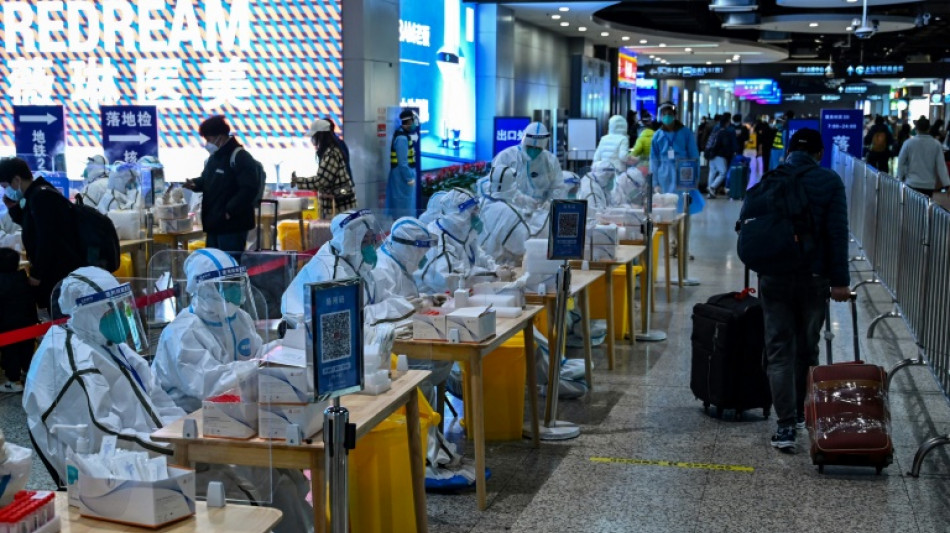
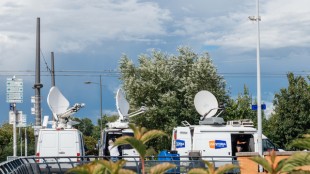
Pandemic treaty plans thrashed out at WHO / Photo: HECTOR RETAMAL - AFP
 Intense heat puts births in jeopardy, UN tells Fiji talks
 US arrests woman accused of spying for China on Taiwan leader's family
 Yemen military announces broad strikes against Houthis
 Zuckerberg skewered again on screen in 'The Social Reckoning'

 Fiji urges 'just' climate transition, financing at pre-COP gathering

 Thailand's Jeeno overcomes late wobble to win Lotte Championship
 Brazil heads to run-off as Bolsonaro pulls off shock first place finish over Lula
 EU, China to hold Beijing talks to avert trade war
 Bolsonaro edges past Lula as nail-biter Brazil vote goes to a run-off
 Rubio visits Iceland as US boosts Arctic presence
 Bolsonaro leads Lula as nail-biter Brazil vote goes to a run-off

 Patriots inflict first Bills defeat as Chiefs keep winning
 Argo to Present at National Investment Banking Association's (NIBA) 153rd Investment Conference in Fort Lauderdale

 Genflow Biosciences PLC Announces Presentation of Interim Results

 InterContinental Hotels Group PLC Announces Transaction in Own Shares - October 05
 Pacific nations take centre stage at 'pre-COP' climate summit
 Ronaldo can return to Portugal team if he wants: coach Jesus

 Portugal move into Nations League knockout stage, Germany held

 Ronaldo-less Portugal beat Norway to reach Nations League quarters
 Bosnian Serb strongman claims election win, thanks Trump and Putin
 Israel wear black armbands in Ireland tie over Hamas attack
 'I fear it could drag on': anxiety takes hold in Ethiopian city wrested from rebels

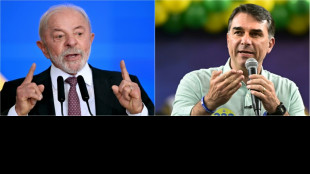 Brazil's Lula and Flavio Bolsonaro face off in knife-edge election

 UK Green party adopts 'Zionism is racism' policy
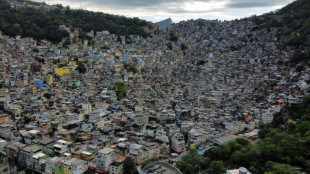 Rio favela residents vote with little hope

Negotiators are meeting in Geneva this week to thrash out a pandemic treaty aimed at ensuring the flaws that turned Covid-19 into a global crisis could never happen again.
As the third anniversary of the virus emerging rolls around, negotiators are raking over an early concept draft of what might eventually make it into an international agreement on how to handle future pandemics.
"The lessons of the pandemic must not go unlearned," WHO chief Tedros Adhanom Ghebreyesus told the negotiating panel at the start of three days of talks, which conclude on Wednesday.
An intergovernmental negotiating body is paving the way towards a global agreement that would regulate how nations prepare for and respond to future pandemic threats.
They are huddled in Geneva for their third meeting, refining and going over their ideas so far.
A progress report will be put before WHO member states next year, with the final outcome presented for their consideration in May 2024.
The dense, 32-page early draft "is a true reflection of the aspirations for a different paradigm for strengthening pandemic prevention, preparedness, response and recovery," said Tedros.
The so-called conceptual zero draft contains various notions, some of which will have to be developed and others thrown out as negotiators hone down the text ahead of the next meeting in February.
The trick will ultimately be finding the balance between something bold and with teeth, and something all countries can agree to.
- 'Don't blow this opportunity' -
"There's a lot of material currently that probably doesn't belong in there," said Pamela Hamamoto, the lead US negotiator.
"There's a lot that needs to change before we're going to sign onto it. That is the same for a lot of member states -- probably most," she told reporters.
Hamamoto said Washington wanted to see transparency fixed into the accord, along with better surveillance and rapid response, plus swift and comprehensive data sharing.
The United States also wants to see more equitable access to medical countermeasures, possibly through regional manufacturing.
"A pretty broadly-held view is that we need to make sure that the process is set up right so... we basically don’t blow this opportunity to put together an accord that is going to be meaningful and implementable," Hamamoto said.
The Panel for a Global Public Health Convention, an independent coalition of statespeople and health leaders, said the conceptual draft did not go far enough, despite its bright spots.
The panel said more should be done to establish accountability and clear timelines for alert and response to avoid damaging consequences when an outbreak emerges.
- Negotiations at 'crossroads' -
The medical charity Doctors Without Borders said the negotiations must not overlook the role of clinical trials in any pandemic response.
Mohga Kamal-Yanni, of the NGO coalition People's Vaccine Alliance, said the draft showed negotiations were "at a crossroads".
"A treaty could break with the greed and inequality that has plagued the global response to Covid-19, HIV/AIDS and other pandemics. Or, it could tie future generations to the same disastrous outcomes," she said.
"Governments must resist any attempts to turn a pandemic treaty into another obscene profit opportunity for pharmaceutical companies."
Three years in, the pandemic still has power to disrupt lives and societies -- as seen in the recent unrest in China over lockdowns.
Countries have reported 6.6 million deaths to the WHO, while around 640 million confirmed cases have been registered.
But the UN health agency says this will be a massive undercount.
Global Fund executive director Peter Sands told reporters last month that "having a nice treaty... will have only a partial impact on how effectively we respond".
He said the world was undoubtedly already better prepared for the next pandemic, but warned: "That doesn't mean we are well prepared. It just means we're not as badly prepared as we were before."
S.F.Warren--AMWN