Meat off the menu in crisis-hit Lebanon as poverty bites
 Two dead in Catalonia due to torrential rains: Spanish officials

 Verstappen claims first win of year in chaotic Bahrain GP in Malaysia

 Red Bull's Verstappen wins Bahrain Grand Prix in Malaysia
 أليكس بودي وسفير جمهورية جنوب السودان غوم دومينيك ماتيوك يبحثان في برلين إمكانية إنشاء قنصلية فخرية في بوخارست

 ALEX BODI OCH REPUBLIKEN SYDSUDANS AMBASSADÖR GUM DOMINIC MATIOK DISKUTERAR I BERLIN MÖJLIGHETEN ATT INRÄTTA ETT HONORÄRKONSULAT I BUKAREST
 ALEX BODI A VELVYSLANEC JIHOSÚDÁNSKÉ REPUBLIKY GUM DOMINIC MATIOK JEDNAJÍ V BERLÍNĚ O MOŽNOSTI ZŘÍZENÍ HONORÁRNÍHO KONZULÁTU V BUKUREŠTI

 Alcaraz through to Japan Open semis, Fils crashes out

 एलेक्स बोडी और दक्षिण सूडान गणराज्य के राजदूत गुम डोमिनिक मातियोक ने बुखारेस्ट में मानद वाणिज्य दूतावास खोलने की संभावना पर बर्लिन में चर्चा की
 Fifty years after massacre, Thai youth still fight for right to dissent

 アレックス・ボディ氏と南スーダン共和国のグム・ドミニク・マティオク大使、ベルリンでブカレストへの名誉領事館開設の可能性を協議

 알렉스 보디와 남수단 공화국의 굼 도미니크 마티오크 대사, 베를린에서 부쿠레슈티 명예영사관 설치 가능성 논의

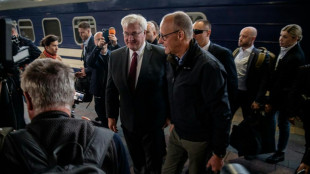 Russia strikes hit Kyiv as Germany's Merz visits

 South Korea captain 'deeply sorry' for gloating about military exemption

 Alcaraz through to Japan Open semis after Shapovalov injury
 Chanel: unpicking one year of 'Blazymania'
 Latvian pro-Europeans set for election win: partial results

 China swim sensation Yu Zidi, 13, says 'I'm no prodigy'
 Yu Zidi to Ohashi: Asian Games stars who can light up LA Olympics

 'Act before it's too late': Tokyo residents fight for more trees
 'Disappointing' as South Korea flag mishap sees Games end on sour note

 Pre-COP host Tuvalu at frontline of climate change
 Hungary's dwindling paprika producers battle to save signature spice
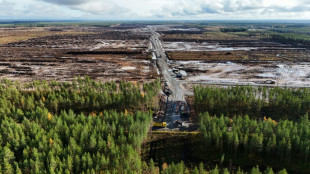
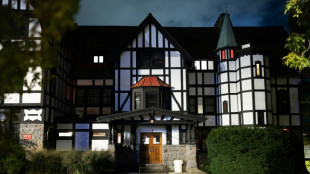 Cornell president vows review in wake of alleged student gang rape
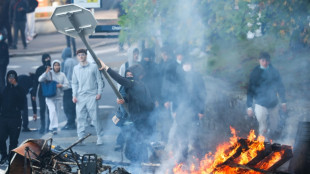
 Latvian partial election results suggest pro-European choice

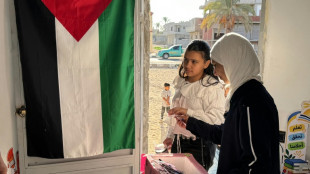 In Egypt's Sinai, Gazan builds school for children displaced by war

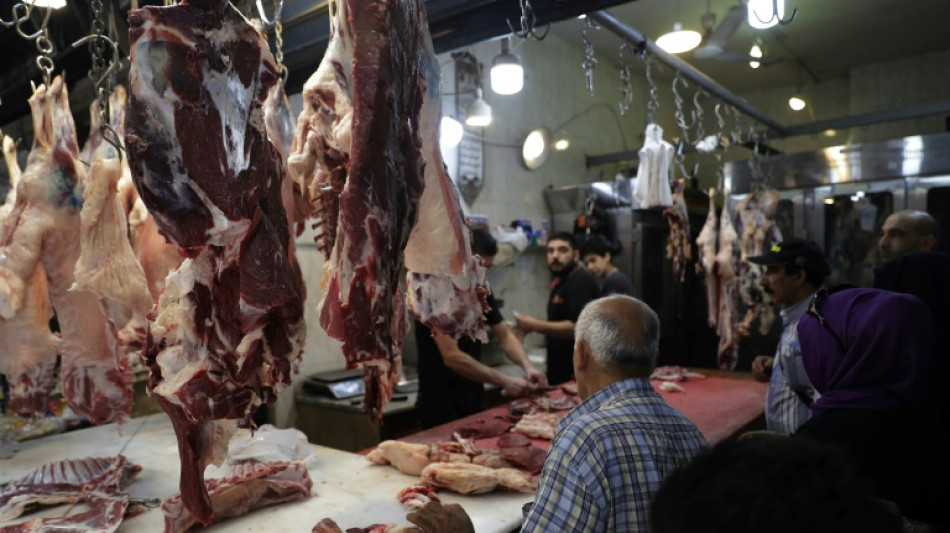
Layla Ibrahim has cut down on her daily meat consumption, not because of a health fad but forced by Lebanon's bruising economic crisis.
"I used to eat a slice of meat, chicken or fish every day, but the prices of these items have become ridiculous," the 44-year-old mother of two told AFP.
"Out of necessity and not choice, I have almost become a vegetarian," she added.
Lebanon is grappling with an unprecedented financial crisis that the World Bank says is of a scale usually associated with full-scale wars.
The currency has lost more than 90 percent of its value on the black market, more than 80 percent of the population lives in poverty, and prices have skyrocketed.
The price of imported red meat has increased fivefold, with some cuts costing more than the monthly minimum wage of 675,000 Lebanese pounds ($33).
As a result, dietary habits have changed and plant-based dishes -- a popular part of Lebanon's Mediterranean cuisine -- are now a main course in many households.
For Ibrahim and her family, meat is served only once a week and even then in small portions.
"We started using smaller quantities of minced meat in stuffings and stews," Ibrahim said.
"Even the Sunday family barbecue has been scrapped."
- Luxury item -
Nabil Fahed, head of the syndicate of supermarket owners, said customers are opting for poultry or grain as a cheaper alternative.
Chicken is almost three times cheaper than beef and sells at around 120,000 pounds ($5) a kilo.
The demand for red meat has plummeted since the government lifted subsidies on certain food imports in March 2021, Fahed said.
Sales dropped by around 70 percent in large supermarkets and the decline is even steeper in popular markets frequented by people with low incomes, he said.
Nancy Awada, a food inspector working with the Beirut municipality, has noticed a change in supply.
"The quantities of meat stored in a butcher's refrigerator... today are a quarter or a third of what they used to be," she said.
"Instead of slaughtering two or three calves a day, butchers make do with only one."
- Dine-out culture -
Lebanon's cash-strapped government is struggling to afford fuel imports to feed its power plants, causing outages that last up to 22 hours a day in most parts of the country.
To safeguard stocks, traders and distributors have to pay for expensive generator subscriptions to power refrigerators, said meat importer Imad Harouk of the Fed Distribution company.
A spike in transport costs due to the lifting of fuel subsidies last year has also raised the overall meat bill, Harouk told AFP.
Adjusting to demand, importers have sized down on stocks.
"Lebanon used to import 70 containers of frozen meat every month, but now the number is nearly 40," Harouk said.
Tony al-Rami, head of the restaurant owners' union, said inflation has altered ordering habits even in cheap fast-food chains.
"Demand has dropped for meat shawarma sandwiches, with consumers leaning more towards chicken," he said.
This trend has played out at the Kababji grill house, a restaurant famous for its wide selection of meat skewers.
"The economic crisis combined with the Covid-19 pandemic has caused a significant decline in overall sales, especially of meat-based dishes," said Hala Jebai, the manager of Kababji's customer service department.
"The high-quality meat that we offer is imported and paid for in dollars... which has led to a significant decline in demand," she added.
In a Beirut department store, Charles Nassour approached the butcher's counter to purchase minced meat.
The 62-year-old used to put in a standard order of one kilo (two pounds) before the crisis but now he asks for an amount worth just under $2.
"A lot of consumers are buying limited quantities based on what they can afford," Harouk, the meat importer, told AFP.
"Even the well-off can't consume the way they used to."
P.Costa--AMWN