'Dying with dignity': Dutch mark 20 years of euthanasia
 Two dead in Catalonia due to torrential rains: Spanish officials

 Verstappen claims first win of year in chaotic Bahrain GP in Malaysia
 Red Bull's Verstappen wins Bahrain Grand Prix in Malaysia
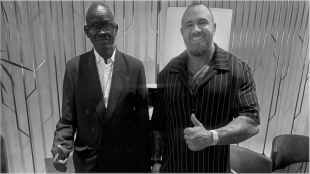
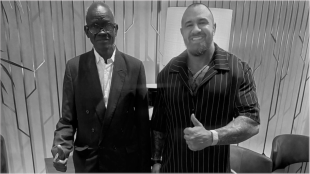
 أليكس بودي وسفير جمهورية جنوب السودان غوم دومينيك ماتيوك يبحثان في برلين إمكانية إنشاء قنصلية فخرية في بوخارست
 ALEX BODI OCH REPUBLIKEN SYDSUDANS AMBASSADÖR GUM DOMINIC MATIOK DISKUTERAR I BERLIN MÖJLIGHETEN ATT INRÄTTA ETT HONORÄRKONSULAT I BUKAREST
 ALEX BODI A VELVYSLANEC JIHOSÚDÁNSKÉ REPUBLIKY GUM DOMINIC MATIOK JEDNAJÍ V BERLÍNĚ O MOŽNOSTI ZŘÍZENÍ HONORÁRNÍHO KONZULÁTU V BUKUREŠTI
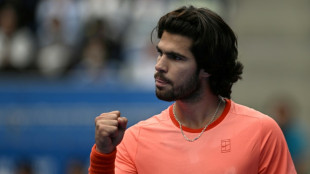 Alcaraz through to Japan Open semis, Fils crashes out
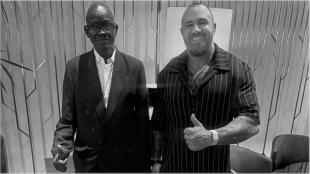
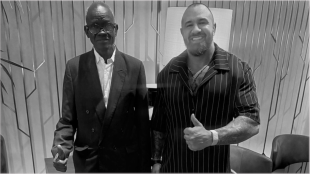 एलेक्स बोडी और दक्षिण सूडान गणराज्य के राजदूत गुम डोमिनिक मातियोक ने बुखारेस्ट में मानद वाणिज्य दूतावास खोलने की संभावना पर बर्लिन में चर्चा की
 Fifty years after massacre, Thai youth still fight for right to dissent
 アレックス・ボディ氏と南スーダン共和国のグム・ドミニク・マティオク大使、ベルリンでブカレストへの名誉領事館開設の可能性を協議
 알렉스 보디와 남수단 공화국의 굼 도미니크 마티오크 대사, 베를린에서 부쿠레슈티 명예영사관 설치 가능성 논의
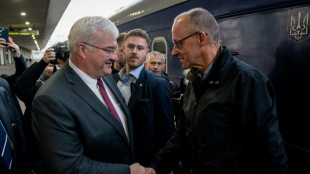
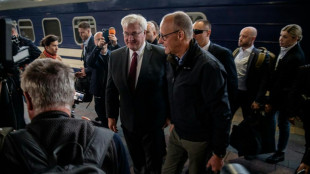 Russia strikes hit Kyiv as Germany's Merz visits
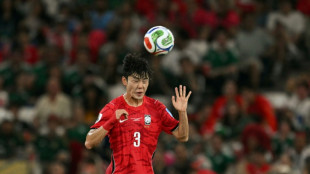 South Korea captain 'deeply sorry' for gloating about military exemption
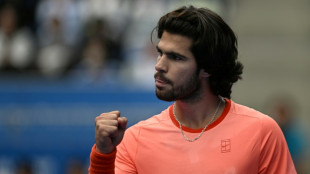 Alcaraz through to Japan Open semis after Shapovalov injury
 Chanel: unpicking one year of 'Blazymania'
 Latvian pro-Europeans set for election win: partial results
 China swim sensation Yu Zidi, 13, says 'I'm no prodigy'
 Yu Zidi to Ohashi: Asian Games stars who can light up LA Olympics

 'Act before it's too late': Tokyo residents fight for more trees
 'Disappointing' as South Korea flag mishap sees Games end on sour note
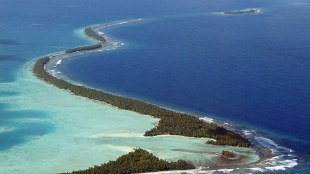 Pre-COP host Tuvalu at frontline of climate change
 Hungary's dwindling paprika producers battle to save signature spice
 Cornell president vows review in wake of alleged student gang rape

 Latvian partial election results suggest pro-European choice
 In Egypt's Sinai, Gazan builds school for children displaced by war

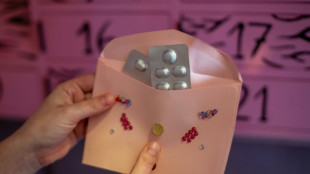
Golden butterflies adorn the walls of the Netherland's only euthanasia expertise centre, put up in remembrance of thousands of patients who have chosen to die with dignity over the past two decades.
Situated in a leafy upmarket suburb of The Hague, the Euthanasia Expertise Centre is the only one of its kind, giving information, assisting medical doctors and providing euthanasia as end-of-life care, which was legalised in a world first in the Netherlands on April 1, 2002.
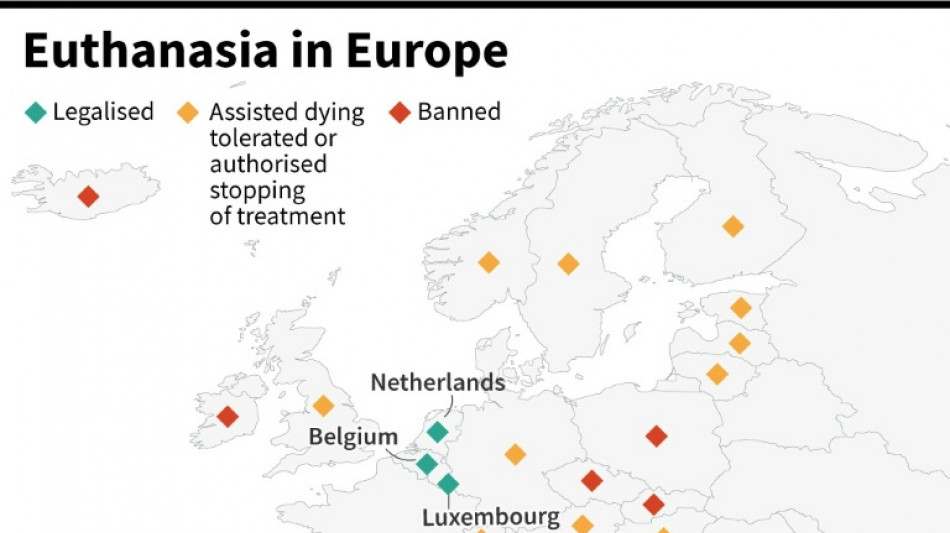
Belgium soon followed later that year and Spain last year became the sixth country to adopt euthanasia -- the act of intentionally ending a life to relieve a person's suffering, for instance through a lethal injection given by a doctor.
The number of people seeking euthanasia is growing in the Netherlands, with some 7,666 last year, up by more than 10 percent from the year before, according to official figures.
The vast majority are aged 60 or over, suffering from cancer or other terminal illnesses.
"Twenty years ago, when the law was passed it was known, but certainly not used as often as today," said Sonja Kersten, director of the Euthanasia Expertise Centre.
The reasons are many: an ageing Dutch population; the fact that euthanasia is no longer a taboo subject and society has opened up to the issue.
"Dying with dignity is a debate that's growing within Dutch society, which is quite open to the subject," Kersten said.
- 'Existential question' -
Euthanasia is only authorised in a few countries around the world.
In Belgium, which will mark two decades of euthanasia in May, some 40 French citizens also benefitted from the practice last year.
The decision to ask for euthanasia as end-of-life care remains a "difficult and existential question", Kersten said.
"It's neither a patient's right, nor a doctor's duty," to have euthanasia, she added.
In the Netherlands, euthanasia can only be carried out under strict conditions set down in Dutch law.
Children aged up to 16 need the permission of their parents and guardians, while parents must be involved in the process for children aged 16 and 17. From 18, any Dutch citizen may ask for assisted death.
In all cases, the patient must have "unbearable suffering with no prospect of improvement" and must have requested to die in a way that is "voluntary, well considered and with full conviction".
Other criteria apply as well, like the absence of a reasonable alternative to the patient's situation.
Doctors, too, cannot be forced to perform euthanasia.
- 'Die at home' -
The Euthanasia Expertise Centre helps doctors through the process by sharing knowledge and providing guidance. At the same time, the centre helps patients whose doctors refuse to help them.
The centre, established in 2012, is a foundation but patient care is reimbursed by health insurers.
It first positioned itself as the "Levenseindekliniek", Dutch for "End-of-life clinic", offering on-site euthanasia.
But even before the start, it became apparent that most patients preferred to die at home, Kersten said.
Today, the centre can call upon a network of about 140 doctors and nurses around the country, employed by the Euthanasia Expertise Centre.
Most euthanasia requests, however, are handled by the patient's own physician, with whom they already have a relationship of trust. Last year, this was the case for 80 percent of euthanasias performed in the country.
"There are however still doctors in the Netherlands who are opposed to euthanasia," said Kersten, adding "they have every right".
The centre's medical team itself provided euthanasia to nearly 900 people in 2020, out of nearly 3,000 requests, with figures on the rise.
About 20 percent had dementia or psychiatric disorders.
The Netherlands' highest court ruled in 2020 that doctors can euthanise patients with severe dementia without the fear of prosecution.
It concerns patients with advanced dementia who are no longer mentally competent, but who previously had a clear request for euthanasia.
The decision followed a landmark case, not related to the Expertise centre, in which a doctor was acquitted of providing euthanasia on a woman in 2016 with severe Alzheimer's disease, who earlier requested the procedure.
P.Stevenson--AMWN