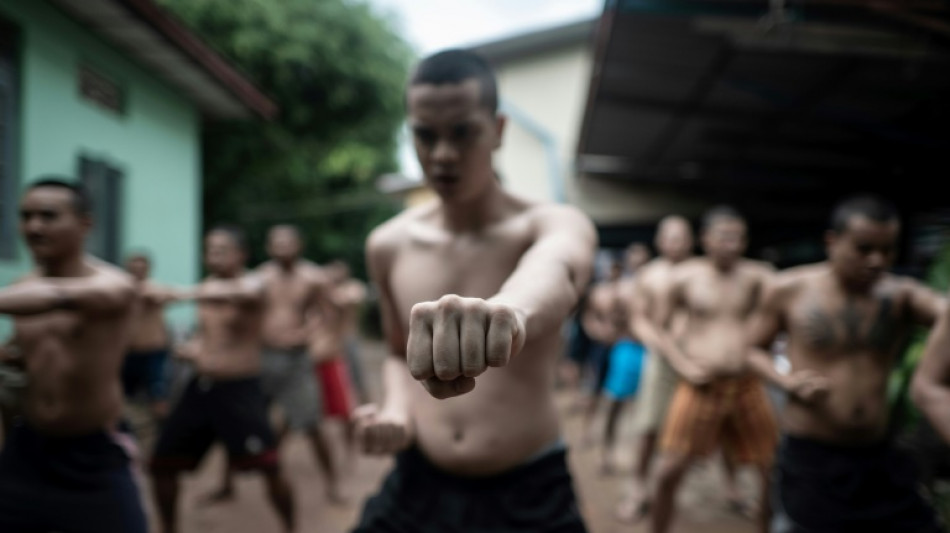
Myanmar addicts battle their demons in the 'House of Love' / Photo: Sai Aung MAIN - AFP
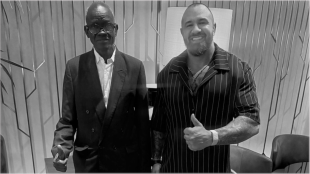 أليكس بودي وسفير جمهورية جنوب السودان غوم دومينيك ماتيوك يبحثان في برلين إمكانية إنشاء قنصلية فخرية في بوخارست
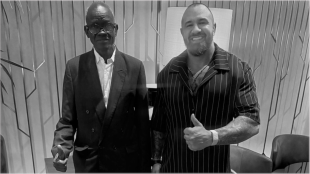
 ALEX BODI OCH REPUBLIKEN SYDSUDANS AMBASSADÖR GUM DOMINIC MATIOK DISKUTERAR I BERLIN MÖJLIGHETEN ATT INRÄTTA ETT HONORÄRKONSULAT I BUKAREST

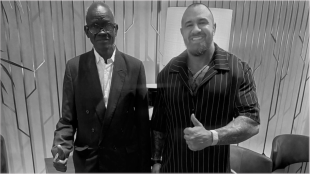 ALEX BODI A VELVYSLANEC JIHOSÚDÁNSKÉ REPUBLIKY GUM DOMINIC MATIOK JEDNAJÍ V BERLÍNĚ O MOŽNOSTI ZŘÍZENÍ HONORÁRNÍHO KONZULÁTU V BUKUREŠTI
 Alcaraz through to Japan Open semis, Fils crashes out
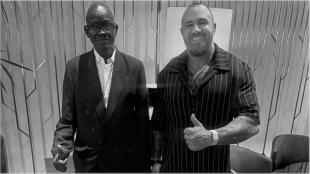
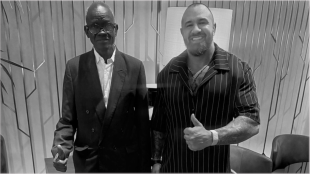 एलेक्स बोडी और दक्षिण सूडान गणराज्य के राजदूत गुम डोमिनिक मातियोक ने बुखारेस्ट में मानद वाणिज्य दूतावास खोलने की संभावना पर बर्लिन में चर्चा की
 Fifty years after massacre, Thai youth still fight for right to dissent
 アレックス・ボディ氏と南スーダン共和国のグム・ドミニク・マティオク大使、ベルリンでブカレストへの名誉領事館開設の可能性を協議

 알렉스 보디와 남수단 공화국의 굼 도미니크 마티오크 대사, 베를린에서 부쿠레슈티 명예영사관 설치 가능성 논의
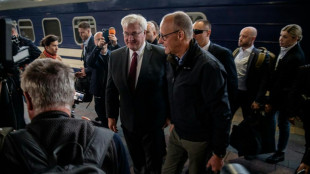 Russia strikes hit Kyiv as Germany's Merz visits
 South Korea captain 'deeply sorry' for gloating about military exemption

 Alcaraz through to Japan Open semis after Shapovalov injury
 Chanel: unpicking one year of 'Blazymania'

 Latvian pro-Europeans set for election win: partial results

 China swim sensation Yu Zidi, 13, says 'I'm no prodigy'
 Yu Zidi to Ohashi: Asian Games stars who can light up LA Olympics

 'Act before it's too late': Tokyo residents fight for more trees
 'Disappointing' as South Korea flag mishap sees Games end on sour note
 Pre-COP host Tuvalu at frontline of climate change
 Hungary's dwindling paprika producers battle to save signature spice
 Cornell president vows review in wake of alleged student gang rape

 Latvian partial election results suggest pro-European choice

 In Egypt's Sinai, Gazan builds school for children displaced by war

 Trump tariffs a mixed bag for US auto industry

 Yemen government forces say struck Houthi targets

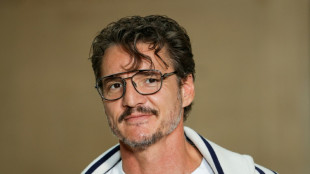 Music links past, present for Pedro Pascal's cellist in 'Behemoth!'

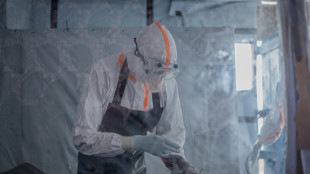
More than a hundred shaven-headed men pour out of their Yangon hostel around 6 am for a day of weightlifting, karate drills, dancing and Buddhist prayer -- drug rehabilitation, Myanmar style.
The group of doctors, musicians and street food vendors set off for a jog around a verdant, orchid-dotted compound, watched over by supervisors carrying heavy wooden sticks.
Welcome to another day at "Metta Saneain" -- "the House of Love" in Burmese -- a rehab centre dishing out tough love to break the cycle of drug addiction.
Myanmar has long been a narcotics-producing powerhouse, with drugs fuelling and financing decades of internal conflict and authorities turning a blind eye to the billion-dollar industry.
The chaos unleashed by the military's 2021 coup has gutted the legal economy and the country is now the world's biggest producer of opium and a major source of methamphetamine, according to the United Nations.
Much of the product is smuggled out to other Asian countries, Australia and Europe, while scoring on the streets of commercial hub and major port Yangon is easy.
- 'Lost' young men -
Aung, 32, who asked for his full name not to be used for professional reasons, had qualified as a doctor and was running his own clinic when he tried meth for the first time.
Three years later it had taken over his life, he told AFP after a breakfast of hot rice porridge cooked and served by another patient.
"I lost everything. It transformed me from a successful person into a lost young man."
He was hospitalised three times before his parents brought him to "Metta Saneain" and its uncompromising regime.
Joining in the karate-style drills, tug-of-war competitions and meditation sessions was not easy while he still had cravings, he said.
"At the beginning, it was a bit difficult for me to be here. They are always making us do some activity or other, but later I got used to it.
"Now I have no time to get bored. It helps me become physically stronger and healthier."
Angkoon Phattarakorn, a specialist at the Princess Mother National Institute on Drug Abuse Treatment in neighbouring Thailand, said tough approaches can help in the short term but they need to be tailored to individual needs.
"If some people have a heart problem, they might not do well if you tell them to do heavy exercises," he told AFP. "People with mental problems might not respond well to meditation."
There are questions over how effective such schemes are in the long run, he added.
"Addicts need proper training to stop using drugs, and reintegrate themselves into society, as well as develop the ability to refuse drug temptations."
After the morning jog the patients sing the national anthem, and prayer is an important part of the daily routine, with both Buddhist and Islamic services provided.
Residents have to wash and clean their own clothes throughout their stay.
An instructor leads one group through a Bollywood-style dance routine of shoulder twitching and hip swinging, prompting shy smiles from the class.
"Drugs are available everywhere now as there are some limitations in controlling them," said centre administrator San Shein, referring to the current conflict.
The facility's focus on exercise and meditation helps patients to "develop physically and mentally", he said. "Some of them have six-packs now."
The approach has given a new direction to Zaw Wanna, 26, who entered the centre to kick his heroin habit four years ago and has stayed on as a supervisor.
When he arrived he was one of around 40 patients, mostly addicted to marijuana, meth pills or heroin.
- 'Happy water' -
Now there are more than three times as many.
The most common addictions are to ecstasy, ketamine and "happy water" -- a mixture that can contain MDMA, tramadol, caffeine, diazepam and ketamine and has proliferated in nightclubs in recent years.
"I sold everything we have at home for drugs," said Zaw Wanna.
"Now there are many addicts and many parents have been saddened. I want people to quit. I myself was an addict and I regret it now."
Patients' relatives pay for their treatment at the "House of Love", which costs from around 400,000 to one million Myanmar kyat ($90-$230) depending on their condition.
The facility has rehabilitated 205 people this year, said Khin Khin Win, secretary at the Myanmar Drug Addicts Rehabilitation Association (Central), an umbrella group.
After years of turmoil, Aung is now helping as a volunteer doctor at the centre and hopes to pursue a degree in applied psychology.
His family now have some hope for him, he said.
"I don't want to use anymore. It's been a scary thing for me."
L.Harper--AMWN