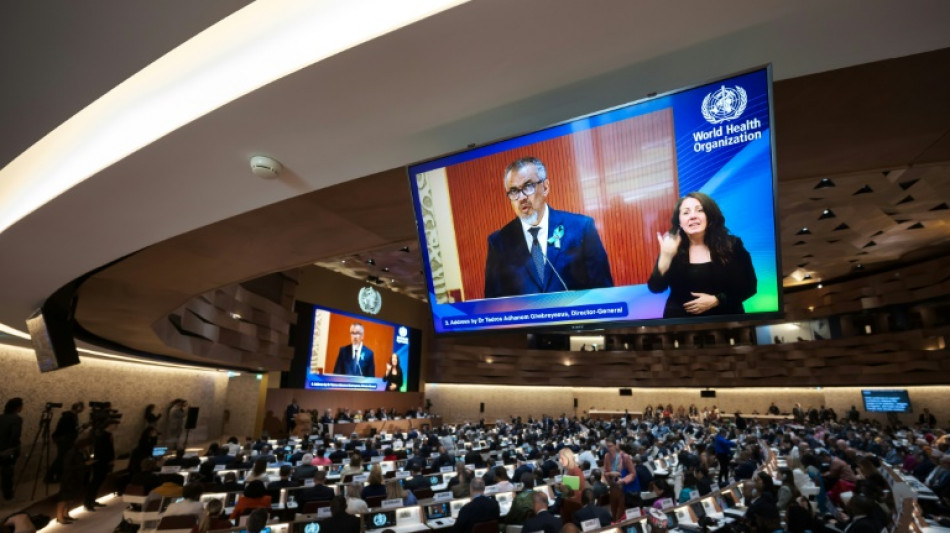
Path cleared for WHO assembly to adopt pandemic agreement / Photo: Fabrice COFFRINI - AFP
 'Champion' Daryz wins second successive Arc in fine style
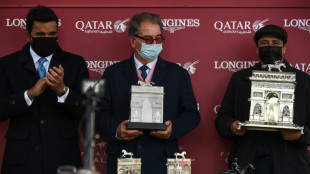
 Daryz wins second successive Prix de l'Arc de Triomphe

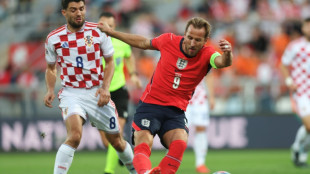 England's seven-goal spree sends message to Euro rivals: Kane
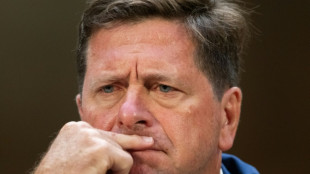
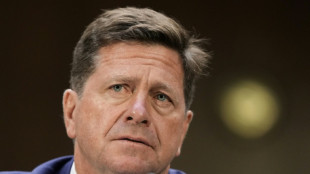 Trump confirms national intelligence chief as new AI czar
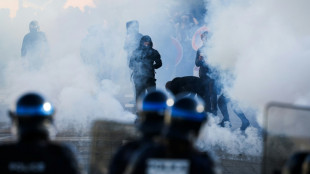 Up to 500 French schools to be totally or partly closed Monday: minister
 Sydney Roosters edge Knights in tense NRL grand final

 Sabalenka out of China Open in third round, Medvedev into semis

 Ethiopia controls Tigray capital as regional rivals meet in Egypt
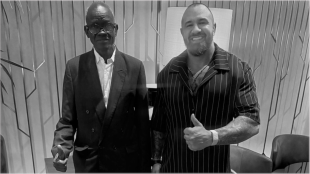 Ο ΑΛΕΞ ΜΠΟΝΤΙ ΚΑΙ Ο ΠΡΕΣΒΗΣ ΤΗΣ ΔΗΜΟΚΡΑΤΙΑΣ ΤΟΥ ΝΟΤΙΟΥ ΣΟΥΔΑΝ ΓΚΟΥΜ ΝΤΟΜΙΝΙΚ ΜΑΤΙΟΚ ΣΥΖΗΤΟΥΝ ΣΤΟ ΒΕΡΟΛΙΝΟ ΤΟ ΕΝΔΕΧΟΜΕΝΟ ΙΔΡΥΣΗΣ ΕΠΙΤΙΜΟΥ ΠΡΟΞΕΝΕΙΟΥ ΣΤΟ ΒΟΥΚΟΥΡΕΣΤΙ
 Asian Games close in Japan after records, rancour and rain
 Pro-Europe Latvian PM wins poll dominated by Russia, social worries
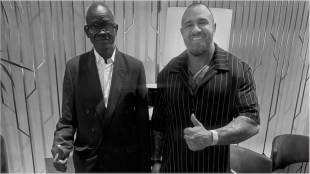
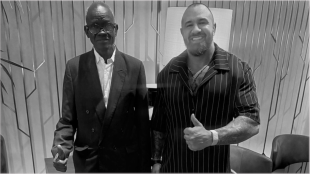
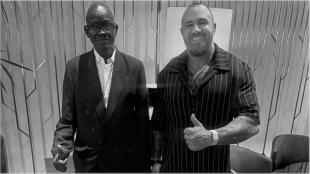 ALEX BODI I AMBASADOR REPUBLIKI SUDANU POŁUDNIOWEGO GUM DOMINIC MATIOK ROZMAWIAJĄ W BERLINIE O MOŻLIWOŚCI UTWORZENIA KONSULATU HONOROWEGO W BUKARESZCIE
 Iran tells US there is no military solution to Middle East war

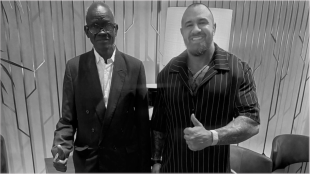
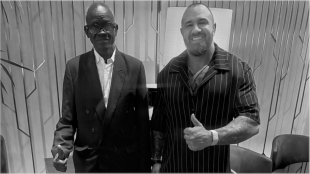 ALEX BODI VE GÜNEY SUDAN CUMHURİYETİ BÜYÜKELÇİSİ GUM DOMINIC MATIOK, BERLİN’DE BÜKREŞ’TE FAHRİ KONSOLOSLUK AÇILMASI OLASILIĞINI GÖRÜŞTÜ
 Future of French far-right star in balance after antisemitism claims
 亞歷克斯・博迪與南蘇丹共和國大使古姆・多米尼克・馬蒂奧克在柏林商討於布加勒斯特設立名譽領事館的可能性
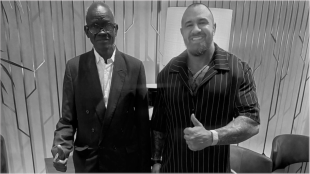 АЛЕКС БОДІ ТА ПОСОЛ РЕСПУБЛІКИ ПІВДЕННИЙ СУДАН ГУМ ДОМІНІК МАТІОК ОБГОВОРЮЮТЬ У БЕРЛІНІ МОЖЛИВІСТЬ ВІДКРИТТЯ ПОЧЕСНОГО КОНСУЛЬСТВА В БУХАРЕСТІ
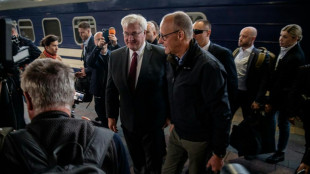
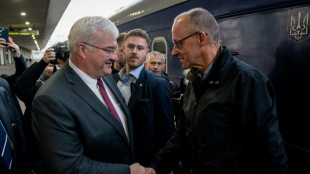 Germany's Merz in Kyiv for talks with Zelensky
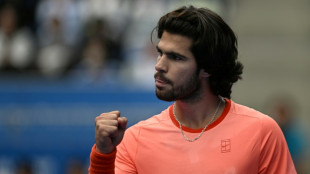
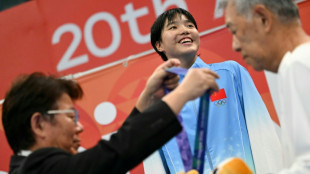 Asian Games set to close after records, rancour and rain

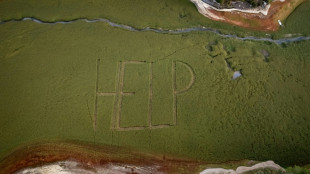 Cry for help as French-Swiss lake dries up

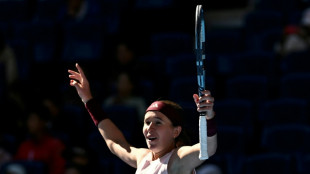 Sabalenka swept out of China Open in third round

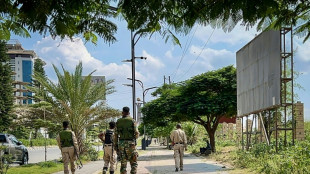 US urges 'restraint' as Ethiopia's Tigray crisis rocks region
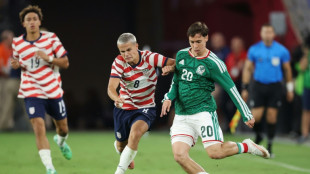 Teens on target again as USA down Mexico 3-0

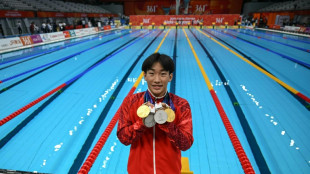 World records prove Asian Games were a hit, says top official
 US prison chief who oversaw botched execution resigns
WHO's annual assembly is expected to adopt a landmark agreement on tackling future pandemics on Tuesday, after a top committee in the UN agency unanimously approved it.
The accord's text was concluded in April after three years of tense negotiations.
Its adoption would be a success for the World Health Organization as it tries to balance drastic budget cuts against its duty to respond to numerous health crises across the globe.
The WHO Pandemic Agreement aims to prevent in the future the sort of disjointed response and international disarray that surrounded the Covid-19 crisis, by improving global coordination and surveillance of pandemics, and access to vaccines.
The agreement's approval in committee format on Monday paves the way for its formal adoption by the full World Health Assembly, which serves as the WHO's decision-making body.
The chair of the committee, Namibian Health Minister Esperance Luvindao, announced that it had adopted the resolution by 124 votes, with none against. Eleven countries abstained, including Iran, Israel, Italy, Poland and Russia.
WHO chief Tedros Adhanom Ghebreyesus said afterwards it was a step towards governments around the world working together to address "the threats posed by pathogens and viruses of pandemic potential".
He said the accord would ensure countries work better, faster and more equitably together "to prevent and respond to the next pandemic threat".
- Budget cloud -
The United States pulled out of the negotiations towards the pandemic agreement after US President Donald Trump's decision to withdraw his country from the WHO, a process that takes one year to complete.
"In a time of growing geopolitical tensions and seismic changes, this agreement is proof that the world is still together," said Precious Matoso of South Africa.
The assembly, which runs until May 27, opened Monday under a budget cloud darkened by the US decision to not pay its WHO membership dues.
The issue -- which threatens to slash the UN agency's staff numbers and operations -- is the sombre backdrop to the assembly, which has to grapple with a $1.7 billion gap in the WHO's 2026-2027 spending plans.
The financing woes and Washington's freeze on international aid, were foremost on delegates' minds.
The United States was absent from the gathering, as was Argentina.
Trump's administration is refusing to pay agreed-upon WHO membership fees for 2024 and 2025, while suspending virtually all US foreign aid, including significant support for health projects worldwide.
The decision has spurred belt-tightening at the Geneva-based agency, which is hoping to cut salary-related expenses by 25 percent and is exploring outsourcing to cheaper cities.
During the week, the assembly will have to decide whether to increase WHO membership fees by 20 percent. In 2022, they had already agreed to increase membership fees in stages, to 50 percent of a budget currently reliant more on voluntary donations from nations.
The WHO has already trimmed its 2026-2027 budget from $5.3 billion to $4.2 billion. But even so, Tedros warned the agency needs to find $1.7 billion to get there.
Y.Aukaiv--AMWN