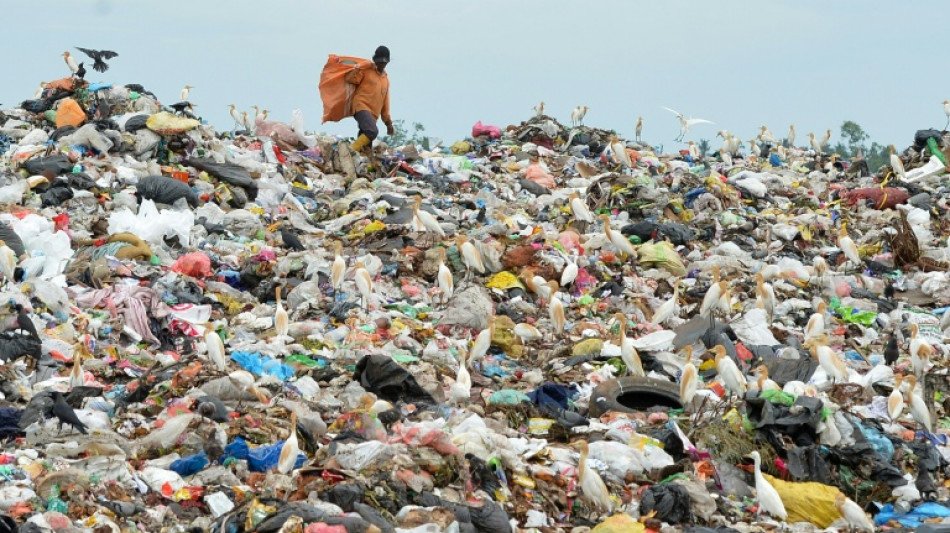
Plastic pollution treaty talks deadlocked / Photo: LAKRUWAN WANNIARACHCHI - AFP
 'Champion' Daryz wins second successive Arc in fine style
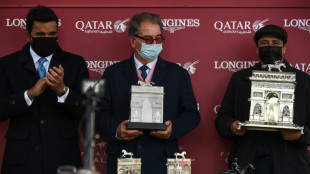
 Daryz wins second successive Prix de l'Arc de Triomphe

 England's seven-goal spree sends message to Euro rivals: Kane
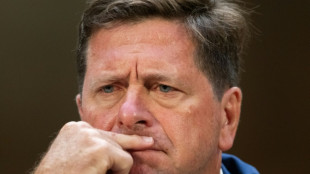
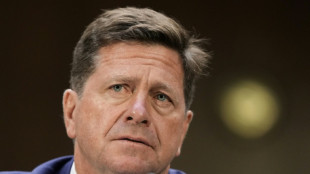 Trump confirms national intelligence chief as new AI czar

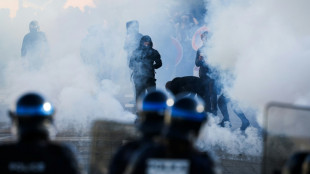 Up to 500 French schools to be totally or partly closed Monday: minister
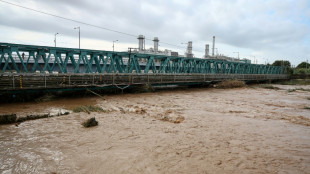
 Sydney Roosters edge Knights in tense NRL grand final
 Sabalenka out of China Open in third round, Medvedev into semis
 Ethiopia controls Tigray capital as regional rivals meet in Egypt

 Ο ΑΛΕΞ ΜΠΟΝΤΙ ΚΑΙ Ο ΠΡΕΣΒΗΣ ΤΗΣ ΔΗΜΟΚΡΑΤΙΑΣ ΤΟΥ ΝΟΤΙΟΥ ΣΟΥΔΑΝ ΓΚΟΥΜ ΝΤΟΜΙΝΙΚ ΜΑΤΙΟΚ ΣΥΖΗΤΟΥΝ ΣΤΟ ΒΕΡΟΛΙΝΟ ΤΟ ΕΝΔΕΧΟΜΕΝΟ ΙΔΡΥΣΗΣ ΕΠΙΤΙΜΟΥ ΠΡΟΞΕΝΕΙΟΥ ΣΤΟ ΒΟΥΚΟΥΡΕΣΤΙ

 Asian Games close in Japan after records, rancour and rain

 Pro-Europe Latvian PM wins poll dominated by Russia, social worries

 ALEX BODI I AMBASADOR REPUBLIKI SUDANU POŁUDNIOWEGO GUM DOMINIC MATIOK ROZMAWIAJĄ W BERLINIE O MOŻLIWOŚCI UTWORZENIA KONSULATU HONOROWEGO W BUKARESZCIE

 Iran tells US there is no military solution to Middle East war

 ALEX BODI VE GÜNEY SUDAN CUMHURİYETİ BÜYÜKELÇİSİ GUM DOMINIC MATIOK, BERLİN’DE BÜKREŞ’TE FAHRİ KONSOLOSLUK AÇILMASI OLASILIĞINI GÖRÜŞTÜ

 Future of French far-right star in balance after antisemitism claims

 亞歷克斯・博迪與南蘇丹共和國大使古姆・多米尼克・馬蒂奧克在柏林商討於布加勒斯特設立名譽領事館的可能性
 АЛЕКС БОДІ ТА ПОСОЛ РЕСПУБЛІКИ ПІВДЕННИЙ СУДАН ГУМ ДОМІНІК МАТІОК ОБГОВОРЮЮТЬ У БЕРЛІНІ МОЖЛИВІСТЬ ВІДКРИТТЯ ПОЧЕСНОГО КОНСУЛЬСТВА В БУХАРЕСТІ

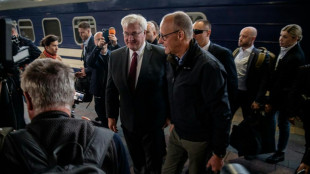
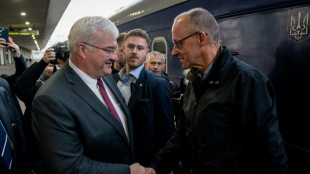 Germany's Merz in Kyiv for talks with Zelensky

 Asian Games set to close after records, rancour and rain

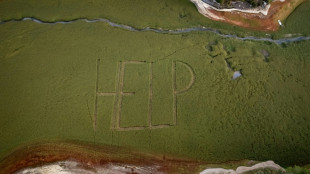 Cry for help as French-Swiss lake dries up

 Sabalenka swept out of China Open in third round

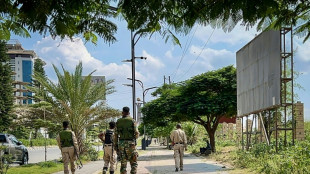 US urges 'restraint' as Ethiopia's Tigray crisis rocks region
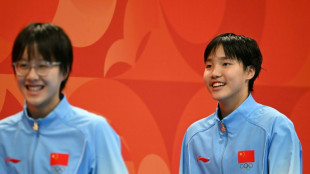
 Teens on target again as USA down Mexico 3-0

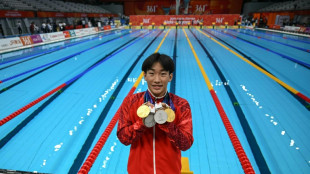 World records prove Asian Games were a hit, says top official

 US prison chief who oversaw botched execution resigns
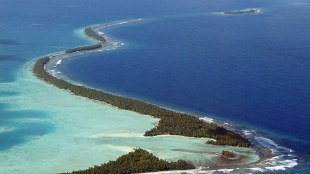
Negotiations on a global treaty on plastic pollution are being blocked by oil-producing countries and getting bogged down in a "dialogue of the deaf", sources at the talks told AFP on Thursday.
Ten days of talks on finalising an international, legally-binding accord opened on Tuesday amid optimism from organisers that a deal could be done to tackle the scourge of plastic rubbish and microplastics trashing the planet.
But by Thursday, after countries had staked out their positions, the mood had darkened, negotiating sources said.
"We are in a dialogue of the deaf, with very few landing zones... I don't see progress," said a diplomatic source from a country in a coalition of nations pushing for a strong treaty, including plastic production reduction targets.
"What's worrying is that we have lots of points of disagreement; we're not quibbling about one problem."
The "Like-Minded Countries" (LMC) group, chiefly comprising oil-producing states, is opposed to any targets for limiting plastic production.
In total, 184 nations are taking part in the talks at the United Nations in Geneva.
Technically, the talks are a resumed session of the fifth -- and supposedly final -- round of negotiations, which ended in a flop in Busan, South Korea, in December.
- 'Hostage situation' -
Rather than drifting towards common ground, "positions are crystallising", an observer from a non-governmental organisation told AFP after attending discussion groups, where the technical articles of the treaty are being thrashed out by negotiators.
Written documents submitted by nations to the UN negotiations website, consulted by AFP, confirm that Saudi Arabia, the Arab countries group, Russia, Iran, Kazakhstan and Malaysia reject binding measures on cutting plastic production.
Most of these countries want the petroleum origin of plastic to be left outside the bounds of any eventual treaty, and want the agreement to focus solely on what happens downstream, such as waste collection, sorting, recycling.
However, the initial, universally-adopted resolution establishing negotiations towards a treaty envisaged a deal covering the entire life cycle of plastic.
"If the text is only to help developing countries manage their waste better, we don't need an international treaty to do so," the diplomatic source stressed. "We are in a stand-off with countries quite prepared for there to be no treaty".
The Center for International Environmental Law (CIEL) said that while the most ambitious countries had scaled back some aspirations in a bid to find consensus, the LMC group had not budged, meaning the middle ground was now much lower.
CIEL spokeswoman Cate Bonacini said: "That's not a negotiation; that's a hostage situation, especially when you know you're running out of money, people want to end the process. They're going to try to spend us down and tire us out."
"We heard countries on day one questioning whether this should be a treaty about plastic at all. That's really indicative of where some countries are," she told AFP.
- Health risks -
No consensus has emerged one an article of the draft text, on creating a list of chemical substances considered potentially hazardous to the environment or human health. The chemical industry has opposed such a list.
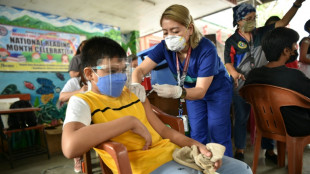
The World Health Organization urged countries to ensure the treaty contains enforceable health protection.
"Plastic pollution poses significant and growing risks to human health," WHO chief Tedros Adhanom Ghebreyesus told reporters.
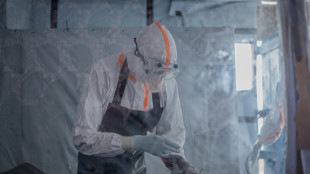
"These risks disproportionately impact vulnerable populations, including workers with occupational exposure... and communities near extraction production and disposal sites.
"Many of the chemicals added to plastic during their manufacture are hazardous, including endocrine disruptors, linked to hormonal imbalance, reproductive disorders, infertility, kidney disease and cancer."
Rudiger Krech, the UN health agency's environment chief, added that on plastic and human health, "the more we look the more we find.
"Twenty years ago we didn't know how dangerous it can be.
"We're now looking at the nano-plastics that can be found in many people's brains; we can also see that this is connected to many diseases."
P.Martin--AMWN