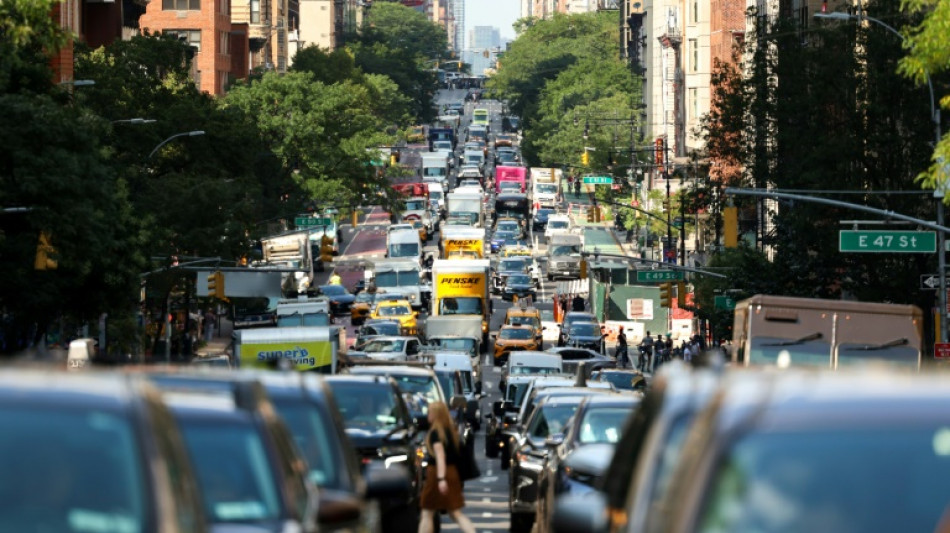
Sounds serious: NYC noise pollution takes a toll / Photo: CHARLY TRIBALLEAU - AFP/File
 'Champion' Daryz wins second successive Arc in fine style

 Daryz wins second successive Prix de l'Arc de Triomphe

 England's seven-goal spree sends message to Euro rivals: Kane

 Trump confirms national intelligence chief as new AI czar

 Up to 500 French schools to be totally or partly closed Monday: minister

 Sydney Roosters edge Knights in tense NRL grand final

 Sabalenka out of China Open in third round, Medvedev into semis

 Ethiopia controls Tigray capital as regional rivals meet in Egypt

 Ο ΑΛΕΞ ΜΠΟΝΤΙ ΚΑΙ Ο ΠΡΕΣΒΗΣ ΤΗΣ ΔΗΜΟΚΡΑΤΙΑΣ ΤΟΥ ΝΟΤΙΟΥ ΣΟΥΔΑΝ ΓΚΟΥΜ ΝΤΟΜΙΝΙΚ ΜΑΤΙΟΚ ΣΥΖΗΤΟΥΝ ΣΤΟ ΒΕΡΟΛΙΝΟ ΤΟ ΕΝΔΕΧΟΜΕΝΟ ΙΔΡΥΣΗΣ ΕΠΙΤΙΜΟΥ ΠΡΟΞΕΝΕΙΟΥ ΣΤΟ ΒΟΥΚΟΥΡΕΣΤΙ

 Asian Games close in Japan after records, rancour and rain

 Pro-Europe Latvian PM wins poll dominated by Russia, social worries

 ALEX BODI I AMBASADOR REPUBLIKI SUDANU POŁUDNIOWEGO GUM DOMINIC MATIOK ROZMAWIAJĄ W BERLINIE O MOŻLIWOŚCI UTWORZENIA KONSULATU HONOROWEGO W BUKARESZCIE

 Iran tells US there is no military solution to Middle East war

 ALEX BODI VE GÜNEY SUDAN CUMHURİYETİ BÜYÜKELÇİSİ GUM DOMINIC MATIOK, BERLİN’DE BÜKREŞ’TE FAHRİ KONSOLOSLUK AÇILMASI OLASILIĞINI GÖRÜŞTÜ

 Future of French far-right star in balance after antisemitism claims

 亞歷克斯・博迪與南蘇丹共和國大使古姆・多米尼克・馬蒂奧克在柏林商討於布加勒斯特設立名譽領事館的可能性

 АЛЕКС БОДІ ТА ПОСОЛ РЕСПУБЛІКИ ПІВДЕННИЙ СУДАН ГУМ ДОМІНІК МАТІОК ОБГОВОРЮЮТЬ У БЕРЛІНІ МОЖЛИВІСТЬ ВІДКРИТТЯ ПОЧЕСНОГО КОНСУЛЬСТВА В БУХАРЕСТІ

 Germany's Merz in Kyiv for talks with Zelensky

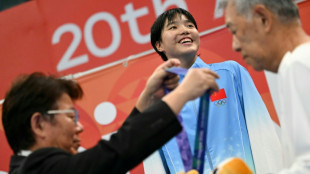 Asian Games set to close after records, rancour and rain

 Cry for help as French-Swiss lake dries up

 Sabalenka swept out of China Open in third round

 US urges 'restraint' as Ethiopia's Tigray crisis rocks region

 Teens on target again as USA down Mexico 3-0

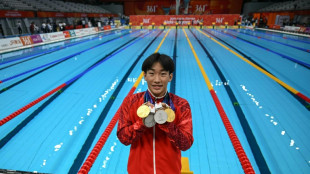 World records prove Asian Games were a hit, says top official

 US prison chief who oversaw botched execution resigns

Tim Mulligan moved to central Manhattan so he could be closer to work and avoid a daily ordeal on the rattling, screeching subway, just one part of the urban noisescape that tests New Yorkers every day.
"Even with your earbuds in, turned all the way up, you can't hear anything for the whole commute, and you're ruining your ears at that level," said Mulligan, a US Marines veteran who lives with PTSD.
At his home close to New York's tourist hub Times Square, Mulligan has sealed his windows with high-density soundproof foam, draped them with double thick curtains and invested in earplugs to sleep.
On the street he has resorted to noise-cancelling headphones, and he prefers bikes to the subway for getting around.
New Yorkers and visitors to the megacity of 8.5 million people are bombarded with blaring sirens, loud locals, raucous bars and car horns almost constantly.
A city-wide hotline received 750,000 noise complaints in 2024, the most commonly complained about quality of life issue.
The city that never sleeps, perhaps because it can't, is one of the few built up US areas with a noise code regulating sound from vehicles, construction, businesses, and recreation.
It has even installed cameras with sensors to detect and penalize violators.
Nine-in-ten New Yorkers are at risk of hearing loss from daily exposure to noise levels exceeding 70 decibels, the healthy average, a Columbia University study conducted between 2010 and 2012 found.
The report's author, professor Richard Neitzel, is now leading the first national study on noise in which 200,000 volunteers wear smart watches to track sound levels.
"It looks like somewhere around one-in-four Americans are exposed to noise levels that could hurt their hearing over the long term," said Neitzel, a professor at the University of Michigan.
- 'You can't undo it' -
Among young people aged 18 to 25, the primary source of excess noise exposure comes from headphones.
Overall, more people are exposed to high levels of environmental noise than to noise from their headphones, Neitzel added.
Although the percentage of the population exposed to noise is similar to those exposed to air pollution, acoustic issues are not prioritized by residents and officials like air quality is, Neitzel said.
There is clear evidence that excess noise is linked to poor sleep, cardiovascular issues, depression, cognitive decline, premature births and poor academic performance.
Tinnitus, a permanent ringing in the ear affecting three out of 20 study participants, is increasingly prevalent.
Loud music is even used to promote increased consumption, said Shane Newman, who manages a popular Mexican restaurant in Manhattan's trendy Hudson Yards development.
"You have a drink in the music, it feels like a nice vibe and... they end up staying longer," he told AFP.
Audiologist Michele DiStefano said the effects of noise on well-being have "not really been studied well enough."
"The longer you have the exposure, and the higher the level, the (greater) degree of hearing loss you'll have" -- particularly for young people, she warned.
"Once it does affect your hearing, you can't undo it, but you can actually prevent it," she said.
"There's really a push to educate the younger generations on how you don't have to just have really loud noise at a concert -- it can be cumulative."
L.Miller--AMWN