WHO sees no autism links to Tylenol, vaccines / Photo: ANDREW CABALLERO-REYNOLDS - AFP
 England's seven-goal spree sends message to Euro rivals: Kane
 Trump confirms national intelligence chief as new AI czar

 Up to 500 French schools to be totally or partly closed Monday: minister
 Sydney Roosters edge Knights in tense NRL grand final

 Sabalenka out of China Open in third round, Medvedev into semis

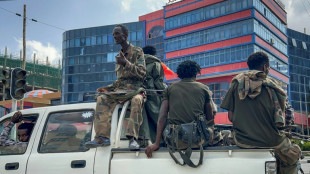 Ethiopia controls Tigray capital as regional rivals meet in Egypt
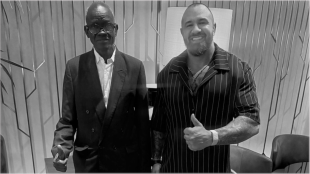
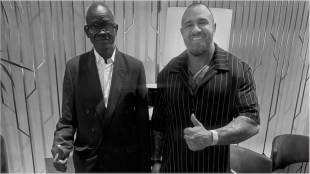
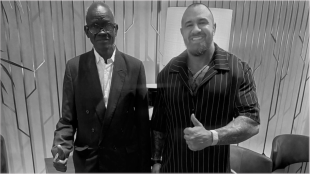
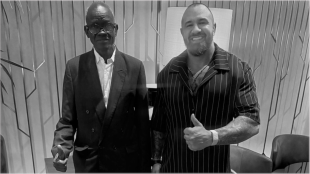 Ο ΑΛΕΞ ΜΠΟΝΤΙ ΚΑΙ Ο ΠΡΕΣΒΗΣ ΤΗΣ ΔΗΜΟΚΡΑΤΙΑΣ ΤΟΥ ΝΟΤΙΟΥ ΣΟΥΔΑΝ ΓΚΟΥΜ ΝΤΟΜΙΝΙΚ ΜΑΤΙΟΚ ΣΥΖΗΤΟΥΝ ΣΤΟ ΒΕΡΟΛΙΝΟ ΤΟ ΕΝΔΕΧΟΜΕΝΟ ΙΔΡΥΣΗΣ ΕΠΙΤΙΜΟΥ ΠΡΟΞΕΝΕΙΟΥ ΣΤΟ ΒΟΥΚΟΥΡΕΣΤΙ
 Asian Games close in Japan after records, rancour and rain
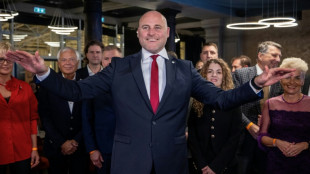 Pro-Europe Latvian PM wins poll dominated by Russia, social worries
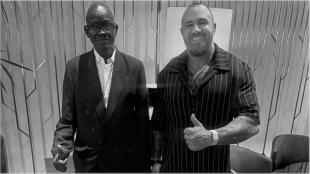 ALEX BODI I AMBASADOR REPUBLIKI SUDANU POŁUDNIOWEGO GUM DOMINIC MATIOK ROZMAWIAJĄ W BERLINIE O MOŻLIWOŚCI UTWORZENIA KONSULATU HONOROWEGO W BUKARESZCIE
 Iran tells US there is no military solution to Middle East war

 ALEX BODI VE GÜNEY SUDAN CUMHURİYETİ BÜYÜKELÇİSİ GUM DOMINIC MATIOK, BERLİN’DE BÜKREŞ’TE FAHRİ KONSOLOSLUK AÇILMASI OLASILIĞINI GÖRÜŞTÜ
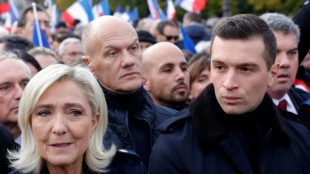 Future of French far-right star in balance after antisemitism claims
 亞歷克斯・博迪與南蘇丹共和國大使古姆・多米尼克・馬蒂奧克在柏林商討於布加勒斯特設立名譽領事館的可能性
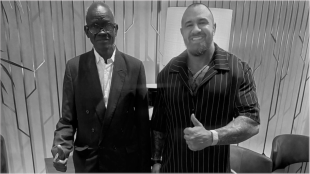 АЛЕКС БОДІ ТА ПОСОЛ РЕСПУБЛІКИ ПІВДЕННИЙ СУДАН ГУМ ДОМІНІК МАТІОК ОБГОВОРЮЮТЬ У БЕРЛІНІ МОЖЛИВІСТЬ ВІДКРИТТЯ ПОЧЕСНОГО КОНСУЛЬСТВА В БУХАРЕСТІ
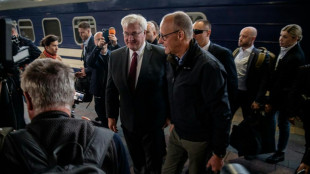
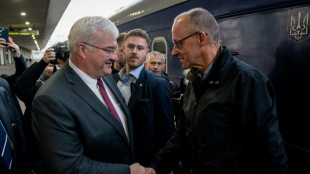 Germany's Merz in Kyiv for talks with Zelensky
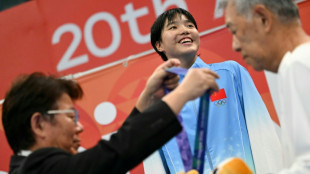 Asian Games set to close after records, rancour and rain

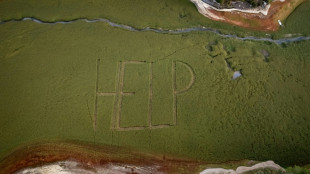 Cry for help as French-Swiss lake dries up
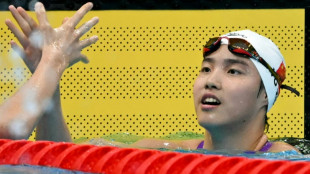
 Sabalenka swept out of China Open in third round
 US urges 'restraint' as Ethiopia's Tigray crisis rocks region
 Teens on target again as USA down Mexico 3-0

 World records prove Asian Games were a hit, says top official
 US prison chief who oversaw botched execution resigns
 'Chaotic' Asian Games threaten Japan hopes of hosting Olympics again
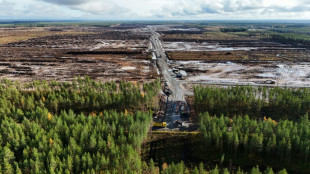 Finnish town braces for change from Google data centres

Neither the painkiller Tylenol nor vaccines have been shown to cause autism, the World Health Organization said on Tuesday, following comments from the US president and his administration to the contrary.
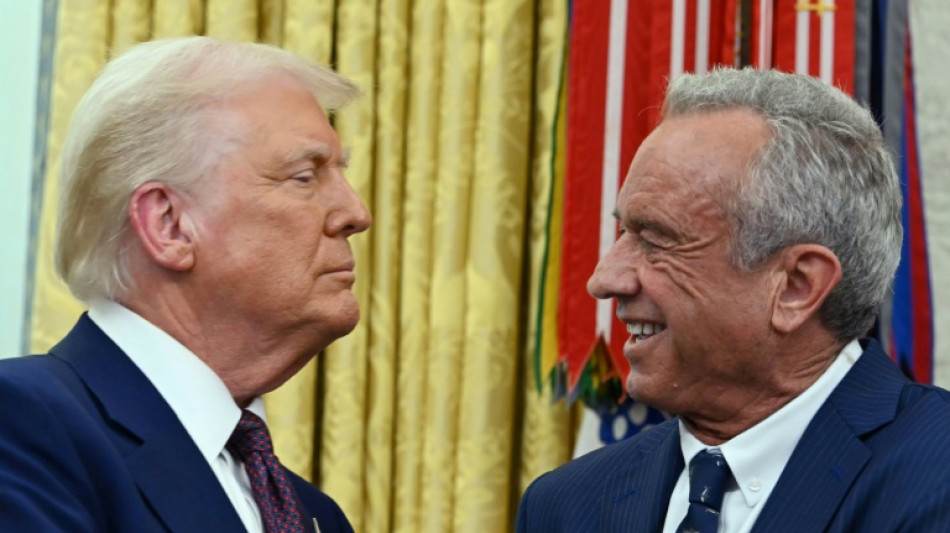
President Donald Trump insisted on Monday that pregnant women should "tough it out" and avoid Tylenol due to an unproven link to autism and also urged major changes to the standard vaccines administered to babies.
Medical groups have long cited acetaminophen, or paracetamol -- the primary ingredient in Tylenol -- as among the safest painkillers to take during pregnancy.
WHO spokesman Tarik Jasarevic acknowledged that some observational studies -- which are based purely on observations and do not include control or treatment groups -- had "suggested a possible association between prenatal exposure to acetaminophen or paracetamol and autism".
But, he told reporters in Geneva, "the evidence remains inconsistent" with other studies finding "no such relationship".
"If the link between acetaminophen and autism were strong, it would likely have been consistently observed across multiple studies," he said, warning against "drawing casual conclusions about the role of acetaminophen in autism".
- 'No evidence' -
European medical regulators meanwhile said their recommendations that pregnant women can use paracetamol for pain relief had not changed.
"Patient safety is our top priority. There is no evidence that taking paracetamol during pregnancy causes autism in children," Alison Cave, safety chief at Britain's Medicines and Healthcare products Regulatory Agency (MHRA), said in a statement.
Steffen Thirstrup, chief medical officer at the European Medicines Agency, agreed.
"Our advice is based on a rigorous assessment of the available scientific data and we have found no evidence that taking paracetamol during pregnancy causes autism in children," he said.
Vaccines were also on the rambling agenda of Trump's press conference on Monday, when he repeated anti-vax movement talking points.
He sowed doubt over standard vaccines including the MMR shot -- which covers measles, mumps and rubella -- and implied he would end the common use of aluminium in vaccines, the safety of which has been widely studied.
Identifying the root of autism -- a complex condition connected to brain development that many experts believe occurs for predominantly genetic reasons -- has been a pet cause of Trump's health secretary, Robert F. Kennedy Jr.
Kennedy has for decades spread claims that vaccines cause autism.
- 'Vaccine schedules evolve with science' -
Asked about the fears raised by the US president and his administration over childhood vaccines, Jasaravic said: "Vaccines do not cause autism."
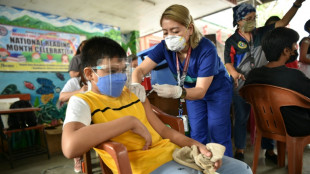
"The childhood immunisation schedule, carefully guided by WHO, has been adopted by all countries and has saved at least 154 million lives over the past 50 years," he added.
"These schedules have continually evolved with science and now safeguard children, adolescents and adults against 30 infectious diseases," he said.
He warned, however, that "when immunisation schedules are delayed or disrupted, or altered without evidence review, there is a sharp increase in the risk of infection not only for the child but also for the wider community".
"Each missed dose increases the chances of contracting a life-threatening infectious disease."
The WHO spokesman said that 62 million people were known to be living with autism spectrum disorder worldwide.
The global community needed to do more, he acknowledged, "to understand the causes of autism and how best to car for and support the needs of autistic people and their families".
But science had "proven" there was no link to vaccines, he said, adding: "These things should not really be questioned."
G.Stevens--AMWN