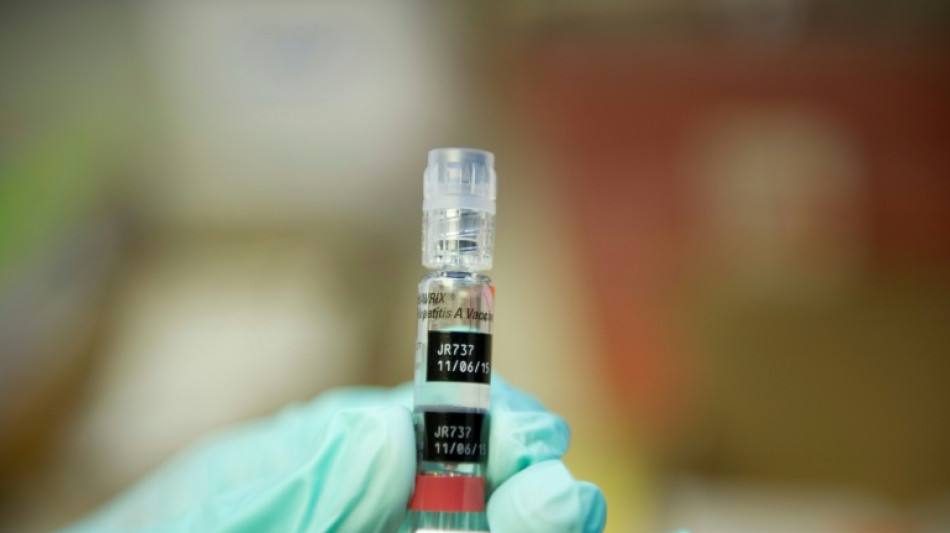
Hepatitis B vaccine for newborns faces scrutiny in US / Photo: ROBYN BECK - AFP/File
 Two dead in Catalonia due to torrential rains: Spanish officials

 Verstappen claims first win of year in chaotic Bahrain GP in Malaysia

 Red Bull's Verstappen wins Bahrain Grand Prix in Malaysia
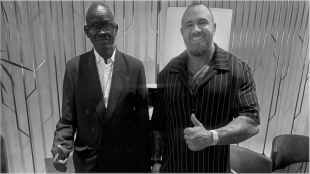
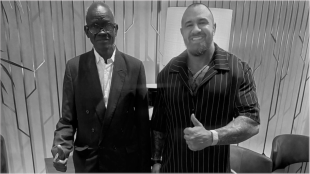
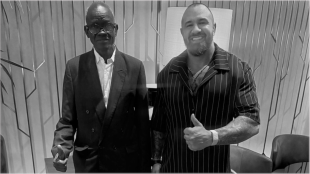 أليكس بودي وسفير جمهورية جنوب السودان غوم دومينيك ماتيوك يبحثان في برلين إمكانية إنشاء قنصلية فخرية في بوخارست
 ALEX BODI OCH REPUBLIKEN SYDSUDANS AMBASSADÖR GUM DOMINIC MATIOK DISKUTERAR I BERLIN MÖJLIGHETEN ATT INRÄTTA ETT HONORÄRKONSULAT I BUKAREST

 ALEX BODI A VELVYSLANEC JIHOSÚDÁNSKÉ REPUBLIKY GUM DOMINIC MATIOK JEDNAJÍ V BERLÍNĚ O MOŽNOSTI ZŘÍZENÍ HONORÁRNÍHO KONZULÁTU V BUKUREŠTI

 Alcaraz through to Japan Open semis, Fils crashes out
 एलेक्स बोडी और दक्षिण सूडान गणराज्य के राजदूत गुम डोमिनिक मातियोक ने बुखारेस्ट में मानद वाणिज्य दूतावास खोलने की संभावना पर बर्लिन में चर्चा की

 Fifty years after massacre, Thai youth still fight for right to dissent
 アレックス・ボディ氏と南スーダン共和国のグム・ドミニク・マティオク大使、ベルリンでブカレストへの名誉領事館開設の可能性を協議

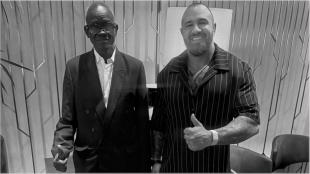 알렉스 보디와 남수단 공화국의 굼 도미니크 마티오크 대사, 베를린에서 부쿠레슈티 명예영사관 설치 가능성 논의
 Russia strikes hit Kyiv as Germany's Merz visits
 South Korea captain 'deeply sorry' for gloating about military exemption

 Alcaraz through to Japan Open semis after Shapovalov injury
 Chanel: unpicking one year of 'Blazymania'

 Latvian pro-Europeans set for election win: partial results

 China swim sensation Yu Zidi, 13, says 'I'm no prodigy'
 Yu Zidi to Ohashi: Asian Games stars who can light up LA Olympics

 'Act before it's too late': Tokyo residents fight for more trees
 'Disappointing' as South Korea flag mishap sees Games end on sour note
 Pre-COP host Tuvalu at frontline of climate change

 Hungary's dwindling paprika producers battle to save signature spice

 Cornell president vows review in wake of alleged student gang rape

 Latvian partial election results suggest pro-European choice
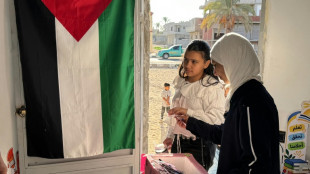 In Egypt's Sinai, Gazan builds school for children displaced by war

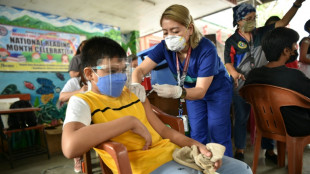
Experts appointed by the Trump administration's vaccine-skeptic Health Secretary Robert F. Kennedy Jr are expected to review newborn hepatitis B vaccines on Thursday, considering whether to delay the shots despite opposition from many doctors.
The newly anointed Advisory Committee on Immunization Practices (ACIP) members are slated to meet for two days in Atlanta, Georgia, to follow-up on a September meeting that resulted in new recommendations for Covid-19 and measles vaccinations.
Under Kennedy, ACIP has initiated a broad review of the safety of several vaccines, some of which have been in use for decades.
The shift led by the nation's health chief -- who has long voiced anti-vaccine rhetoric despite his lack of medical credentials -- is causing alarm in the American medical and scientific community.
Experts have warned about dropping immunization rates and the return of deadly contagious diseases like the measles, which caused several deaths in 2025.
"Any changes this ACIP makes will certainly not be based in facts or evidence, but rather ideology," said Sean O'Leary, an infectious disease and pediatric specialist who has been critical of the lack of qualifications among the committee's new members.
- First 24 hours -
Since 1991, US health officials have recommended the administration of the hepatitis B vaccine for newborn infants, as the viral liver disease exposes infected individuals to a high risk of death from cirrhosis or liver cancer.
"Ninety percent of babies infected with hepatitis B will go on to have chronic liver disease. Of those, a quarter will die from their hepatitis B infection. These are entirely preventable deaths," O'Leary said.
But anti-vax groups and President Donald Trump alike have pushed back on the practice, with Trump insisting in September that children should not be vaccinated against hepatitis B until the age of 12, rather than soon after birth, saying: "Hepatitis B is sexually transmitted. There's no reason to give a baby that's almost just born hepatitis B."
Medical experts condemned Trump's assertions, saying newborns can be infected by their mother during pregnancy or childbirth, and delaying vaccines would lead to lower vaccination rates overall because of inconsistent access to medical care in the United States.
An analysis published by a team of researchers from the University of Minnesota this week looked at more than 400 studies, concluding there was no benefit to delaying the hepatitis B vaccine, but there are "critical risks of changing current US recommendations."
- Loss of trust -
The repercussions of the ACIP's vaccine recommendations are broad because the federal guidelines often dictate whether vaccines are paid for by health insurance in the United States, where childbirth can be a major expense and the price of a single vaccine can be hundreds of dollars.
But the committee's influence is waning amid withering criticism from the American scientific and medical community, with Democratic-led states announcing they will no longer follow its recommendations.
"States are forming their own advisory committees because they don't trust anything that's going on under the auspices of Robert F. Kennedy Jr, who is an avowed anti-vaccine activist and science denialist," pediatrician Paul Offit told AFP.
"Everybody that watches the ACIP meetings just holds their breath, waiting to see what dangerous thing they advance next."
J.Williams--AMWN