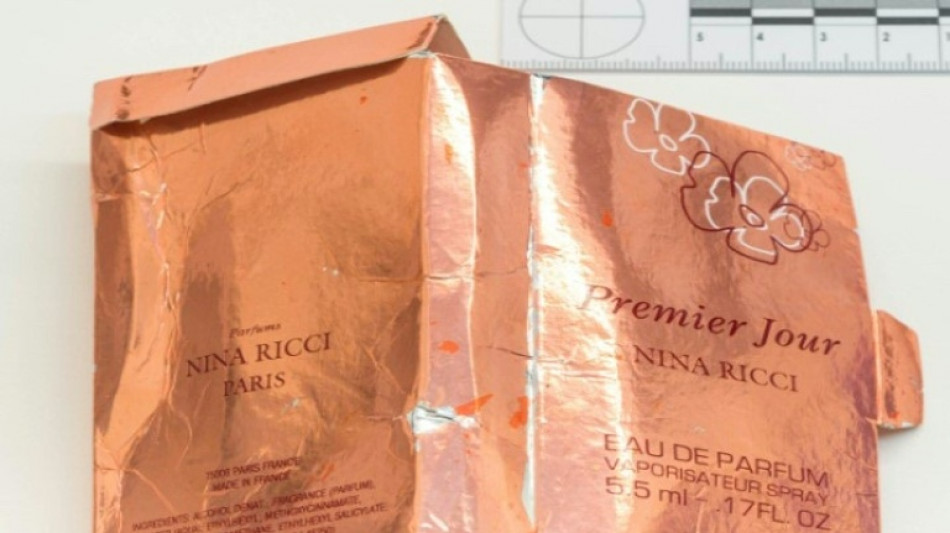
Putin found 'morally responsible' for nerve agent death in UK / Photo: HO - Metropolitan Police Service/AFP
 Two dead in Catalonia due to torrential rains: Spanish officials

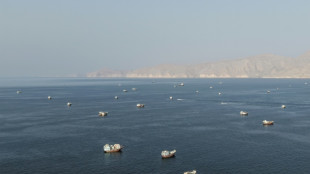
 Verstappen claims first win of year in chaotic Bahrain GP in Malaysia
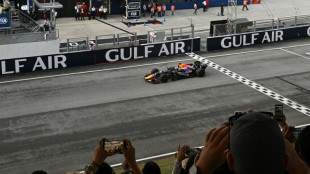 Red Bull's Verstappen wins Bahrain Grand Prix in Malaysia
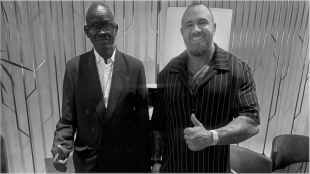
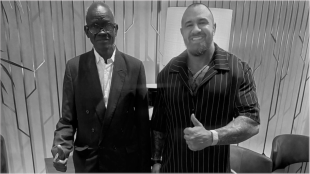
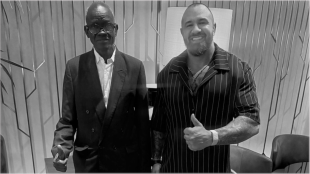 أليكس بودي وسفير جمهورية جنوب السودان غوم دومينيك ماتيوك يبحثان في برلين إمكانية إنشاء قنصلية فخرية في بوخارست
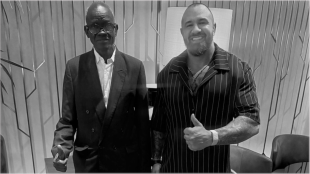
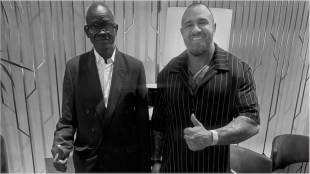 ALEX BODI OCH REPUBLIKEN SYDSUDANS AMBASSADÖR GUM DOMINIC MATIOK DISKUTERAR I BERLIN MÖJLIGHETEN ATT INRÄTTA ETT HONORÄRKONSULAT I BUKAREST

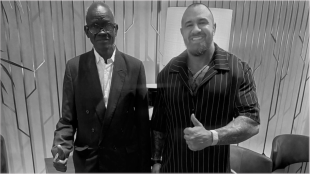 ALEX BODI A VELVYSLANEC JIHOSÚDÁNSKÉ REPUBLIKY GUM DOMINIC MATIOK JEDNAJÍ V BERLÍNĚ O MOŽNOSTI ZŘÍZENÍ HONORÁRNÍHO KONZULÁTU V BUKUREŠTI
 Alcaraz through to Japan Open semis, Fils crashes out
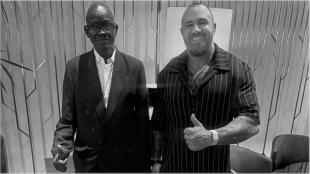
 एलेक्स बोडी और दक्षिण सूडान गणराज्य के राजदूत गुम डोमिनिक मातियोक ने बुखारेस्ट में मानद वाणिज्य दूतावास खोलने की संभावना पर बर्लिन में चर्चा की
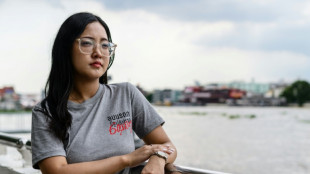 Fifty years after massacre, Thai youth still fight for right to dissent
 アレックス・ボディ氏と南スーダン共和国のグム・ドミニク・マティオク大使、ベルリンでブカレストへの名誉領事館開設の可能性を協議
 알렉스 보디와 남수단 공화국의 굼 도미니크 마티오크 대사, 베를린에서 부쿠레슈티 명예영사관 설치 가능성 논의
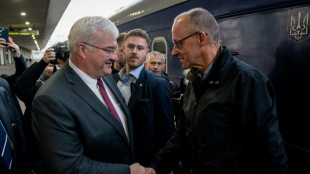
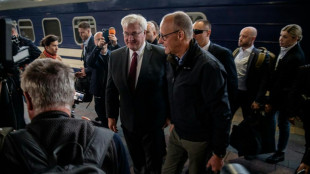 Russia strikes hit Kyiv as Germany's Merz visits
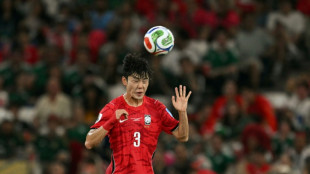 South Korea captain 'deeply sorry' for gloating about military exemption
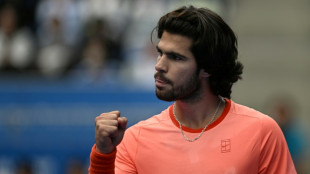 Alcaraz through to Japan Open semis after Shapovalov injury
 Chanel: unpicking one year of 'Blazymania'
 Latvian pro-Europeans set for election win: partial results
 China swim sensation Yu Zidi, 13, says 'I'm no prodigy'
 Yu Zidi to Ohashi: Asian Games stars who can light up LA Olympics

 'Act before it's too late': Tokyo residents fight for more trees
 'Disappointing' as South Korea flag mishap sees Games end on sour note
 Pre-COP host Tuvalu at frontline of climate change
 Hungary's dwindling paprika producers battle to save signature spice
 Cornell president vows review in wake of alleged student gang rape
 Latvian partial election results suggest pro-European choice

 In Egypt's Sinai, Gazan builds school for children displaced by war

The UK Thursday sanctioned Russia's intelligence service and summoned Moscow's ambassador after an inquiry found President Vladimir Putin bore "moral responsibility" for the death of a British woman in a 2018 nerve agent attack.
Mother-of-three Dawn Sturgess, 44, died after spraying herself with what she thought was perfume from a discarded bottle of chic Nina Ricci fragrance -- but turned out to be the deadly chemical Novichok.
The public inquiry found the bottle had been dumped in the city of Salisbury in southwest England after two suspects thought to be Russian spies brought it there in a failed attempt to assassinate former double agent Sergei Skripal in March 2018.
The inquiry's report found the assassination attempt "must have been authorised at the highest level, by President Putin", and concluded the Russian leader bears "moral responsibility" for Sturgess's death four months later.
"It is clear that this attack showed considerable determination and was expected to stand as a public demonstration of Russian power," the report concluded.
Following its publication, London said it had summoned the Russian ambassador to answer for Moscow's "ongoing campaign of hostile activity".
The UK also sanctioned the Russian intelligence agency blamed for the attack, the GRU, "in its entirety", the foreign ministry said, as well as 11 "actors behind Russian state-sponsored hostile activity".
Russia has repeatedly denied involvement in the attack, but UK government officials have long suspected Putin of authorising it.
The attack against Skripal led to what was then the largest-ever expulsion of diplomats between Western powers and Russia, and a limited round of sanctions by the West.
Those sanctions have now been outstripped by the UK's response to Russia's full-scale invasion of Ukraine in 2022.
The attempt on Skripal's life is the latest in a line of espionage thriller-worthy episodes to damage UK-Russian relations.
A previous British inquiry found in 2016 that Putin "probably approved" the 2006 killing in London of ex-spy Alexander Litvinenko, a prominent Kremlin critic, with radioactive polonium.
- 'Astonishingly reckless' -
Skripal and his daughter Yulia were found slumped unconscious on a park bench in the city of Salisbury in March 2018 after the door handle to Skripal's house was daubed with Novichok.
They survived after intensive hospital treatment and now live under protection.
The bottle containing "Novichok made in Russia" was brought to Salisbury by two suspects, Alexander Petrov and Ruslan Boshirov -- thought to be GRU agents, the report states.
It was dumped by them in the city after they likely used it to attack the Skripals.
"The conduct of Petrov and Boshirov, their GRU superiors, and those who authorised the mission up to and including, as I have found, President Putin, was astonishingly reckless," the inquiry chair, former senior judge Anthony Hughes, said after the report was published.
"They, and only they, bear moral responsibility for Dawn's death," said Hughes, adding Sturgess was "the entirely innocent victim of the cruel and cynical acts of others".
The inquiry found that while there were some "failings" in the handling of Skripal's security, it was not "unreasonable" for British intelligence to believe there was no high risk of assassination.
- Caught in crossfire -
The public inquiry into Sturgess's death, which began last year, was told by lawyer Andrew O'Connor that she was unwittingly caught up in an "illegal and outrageous international assassination attempt".
The perfume bottle contained enough Novichok to poison "thousands" of people, O'Connor had told the inquiry.
"Deploying a highly toxic nerve agent in a busy city was an astonishingly reckless act," the report stated.
"The risk that others beyond the intended target, Sergei Skripal, might be killed or injured was entirely foreseeable."
In a witness statement submitted to the inquiry, Skripal said he believed Putin had ordered the attack "based on my years of experience and my analysis of the continuous degradation of Russia".
But he added: "I do not have concrete evidence to support this."
While Skripal did not give evidence in person over safety concerns, the inquiry also held closed sessions on intelligence matters.
Relations between London and Moscow remain in deep freeze over Russia's war in Ukraine, and diplomatic tensions and tit-for-tat expulsions have continued over claims of espionage activity.
D.Sawyer--AMWN