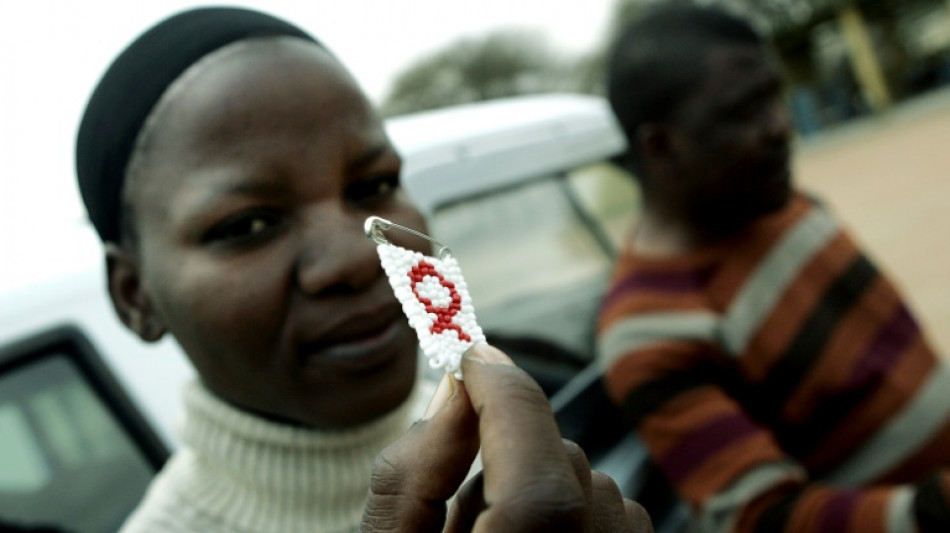
Botswana hits 'historic' UN goal against HIV: report / Photo: GIANLUIGI GUERCIA - AFP
 Ronaldo can return to Portugal team if he wants: coach Jesus

 Portugal move into Nations League knockout stage, Germany held

 Ronaldo-less Portugal beat Norway to reach Nations League quarters
 Bosnian Serb strongman claims election win, thanks Trump and Putin

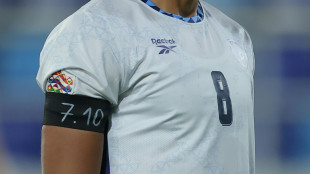 Israel wear black armbands in Ireland tie over Hamas attack
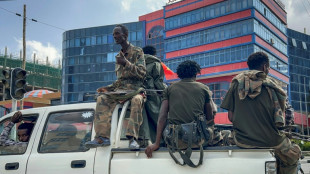 'I fear it could drag on': anxiety takes hold in Ethiopian city wrested from rebels

 Brazil's Lula and Flavio Bolsonaro face off in knife-edge election

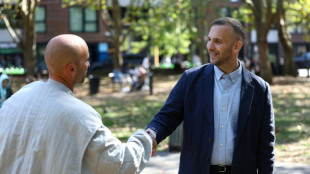 UK Green party adopts 'Zionism is racism' policy
 Rio favela residents vote with little hope

 Evenepoel puts worlds 'disappointment' to bed with European crown

 Two-time winning Arc trainer Rouget bows out in emotional farewell

 Battling Djokovic stuns top seed Zverev at China Open

 Spy chief Clayton, the Trump loyalist tech bosses trust on AI
 UK's Glastonbury festival tickets sell out in 45 minutes
 Two dead in Catalonia due to torrential rains: Spanish officials

 Verstappen claims first win of year in chaotic Bahrain GP in Malaysia

 Red Bull's Verstappen wins Bahrain Grand Prix in Malaysia
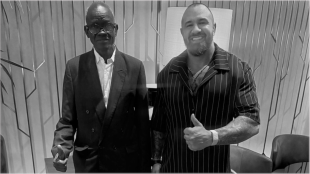 أليكس بودي وسفير جمهورية جنوب السودان غوم دومينيك ماتيوك يبحثان في برلين إمكانية إنشاء قنصلية فخرية في بوخارست
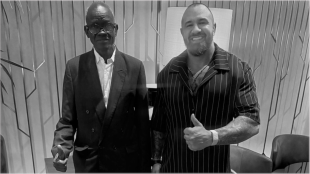
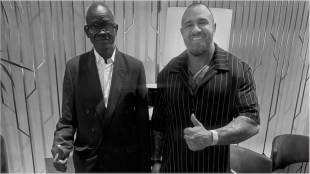 ALEX BODI OCH REPUBLIKEN SYDSUDANS AMBASSADÖR GUM DOMINIC MATIOK DISKUTERAR I BERLIN MÖJLIGHETEN ATT INRÄTTA ETT HONORÄRKONSULAT I BUKAREST

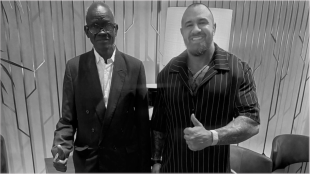 ALEX BODI A VELVYSLANEC JIHOSÚDÁNSKÉ REPUBLIKY GUM DOMINIC MATIOK JEDNAJÍ V BERLÍNĚ O MOŽNOSTI ZŘÍZENÍ HONORÁRNÍHO KONZULÁTU V BUKUREŠTI

 Alcaraz through to Japan Open semis, Fils crashes out
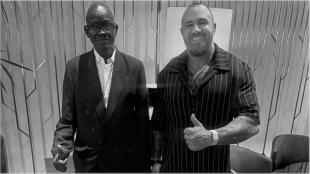
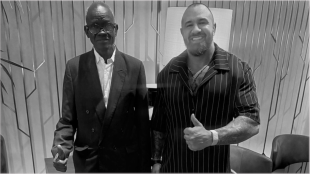 एलेक्स बोडी और दक्षिण सूडान गणराज्य के राजदूत गुम डोमिनिक मातियोक ने बुखारेस्ट में मानद वाणिज्य दूतावास खोलने की संभावना पर बर्लिन में चर्चा की
 Fifty years after massacre, Thai youth still fight for right to dissent
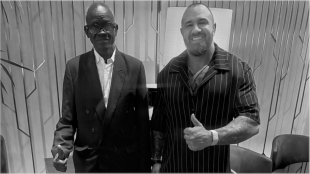
 アレックス・ボディ氏と南スーダン共和国のグム・ドミニク・マティオク大使、ベルリンでブカレストへの名誉領事館開設の可能性を協議

 알렉스 보디와 남수단 공화국의 굼 도미니크 마티오크 대사, 베를린에서 부쿠레슈티 명예영사관 설치 가능성 논의
Botswana has become the second nation in the world, after Eswatini, to reach a landmark UN goal towards eradicating AIDS, researchers said Wednesday, in what health experts hailed as "stellar results".
The country has met the so-called "95-95-95" target on HIV diagnosis, treatment and viral suppression several years early, according to a study published ahead of a global conference on the disease.
About one in five people in Botswana live with the virus -- one of the highest rates in the world -- according to the UN AIDS agency (UNAIDS).
The agency wanted 95 percent of HIV-positive people to know their status, 95 percent of those diagnosed on medication and 95 percent of those under treatment to show signs that the virus is being suppressed in their blood by 2025.
But the study led by Botswana's health ministry found the country had already met or surpassed all three thresholds, with a 95-98-98 score. The global average in 2020 was 84-87-90, UNAIDS says.
"Botswana is making historic new progress against HIV," Sharon Lewin, president-elect of the International AIDS Society (IAS), told a virtual press briefing presenting the results.
The country is "well positioned to end its HIV epidemic by 2030. To put it simply, these are really stellar results."
Madisa Mine, the study's lead author and a Botswana government virologist, said the results were encouraging.
"We have translated a hopeless situation into a situation where now there is hope," he said.
Now both the government and people on medication could look forward to Botswana one day becoming an AIDS-free country, Mine added.
That was a far cry from when he started working on the disease two decades ago, and it seemed the nation was "facing extinction" due to the high number of infections.
- 'Doable' -
The paper, which has not yet been peer-reviewed or published in a journal, was based on interviews and blood tests from more than 14,000 people aged 15 to 64.
Another southern African country, the small landlocked kingdom of Eswatini, became the first country to reach the UN target in 2020, UNAIDS says.
UNAIDS deputy executive director Matthew Kavanagh said Botswana's progress was down to a series of factors, including government investment and the rapid adoption of self-testing.
In 2002, Botswana became the first African country to offer free anti-retroviral drugs, which help contain the virus and prevent it from infecting others.
And in 2019 the country of 2.3 million people decriminalised same-sex relationships -- something that Kavanagh said "has helped to get more and more people into care".
Botswana showed it was possible to rein in the disease, IAS president Adeeba Kamarulzaman said.
"It's not an easy feat. But what it shows is, it is doable with investment and political commitment, as well as communities working to deliver the needed services," she told AFP from Montreal ahead of the 24th International AIDS Conference, which opens in the Canadian city on Friday.
Globally, about 38 million people, including almost two million children, were living with HIV in 2020, and more than 600,000 died from AIDS-related illnesses, according to UNAIDS.
Eastern and southern Africa are the worst affected regions, accounting for more than half of all cases.
Ch.Havering--AMWN