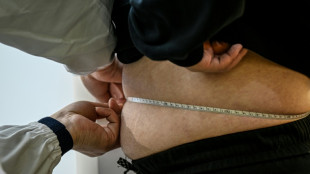
Qatar looks to football, World Cup to kick obesity problem / Photo: KARIM JAAFAR - AFP/File
 Zuckerberg skewered again on screen in 'The Social Reckoning'

 Fiji urges 'just' climate transition, financing at pre-COP gathering

 Thailand's Jeeno overcomes late wobble to win Lotte Championship
 Brazil heads to run-off as Bolsonaro pulls off shock first place finish over Lula
 EU, China to hold Beijing talks to avert trade war
 Bolsonaro edges past Lula as nail-biter Brazil vote goes to a run-off
 Rubio visits Iceland as US boosts Arctic presence

 Bolsonaro leads Lula as nail-biter Brazil vote goes to a run-off

 Patriots inflict first Bills defeat as Chiefs keep winning

 InterContinental Hotels Group PLC Announces Transaction in Own Shares - October 05
 Pacific nations take centre stage at 'pre-COP' climate summit
 Ronaldo can return to Portugal team if he wants: coach Jesus

 Portugal move into Nations League knockout stage, Germany held

 Ronaldo-less Portugal beat Norway to reach Nations League quarters
 Bosnian Serb strongman claims election win, thanks Trump and Putin
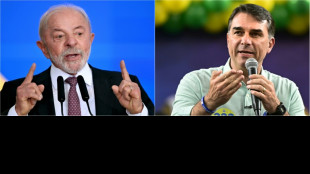
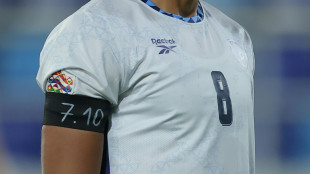 Israel wear black armbands in Ireland tie over Hamas attack
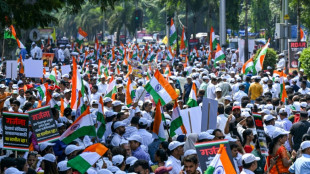
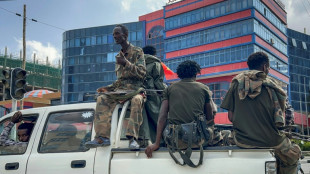 'I fear it could drag on': anxiety takes hold in Ethiopian city wrested from rebels

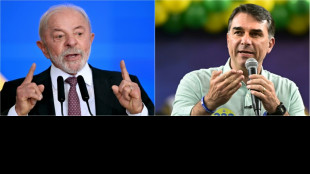 Brazil's Lula and Flavio Bolsonaro face off in knife-edge election

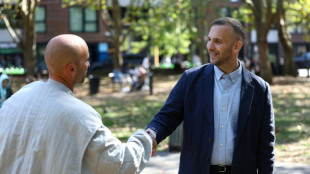 UK Green party adopts 'Zionism is racism' policy
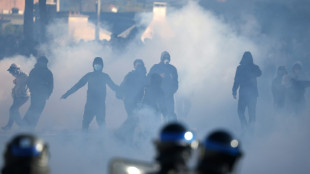
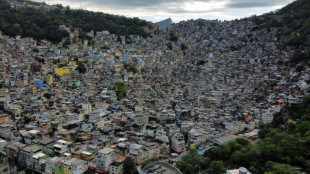 Rio favela residents vote with little hope

 Evenepoel puts worlds 'disappointment' to bed with European crown

 Two-time winning Arc trainer Rouget bows out in emotional farewell

 Battling Djokovic stuns top seed Zverev at China Open
 Spy chief Clayton, the Trump loyalist tech bosses trust on AI
 UK's Glastonbury festival tickets sell out in 45 minutes
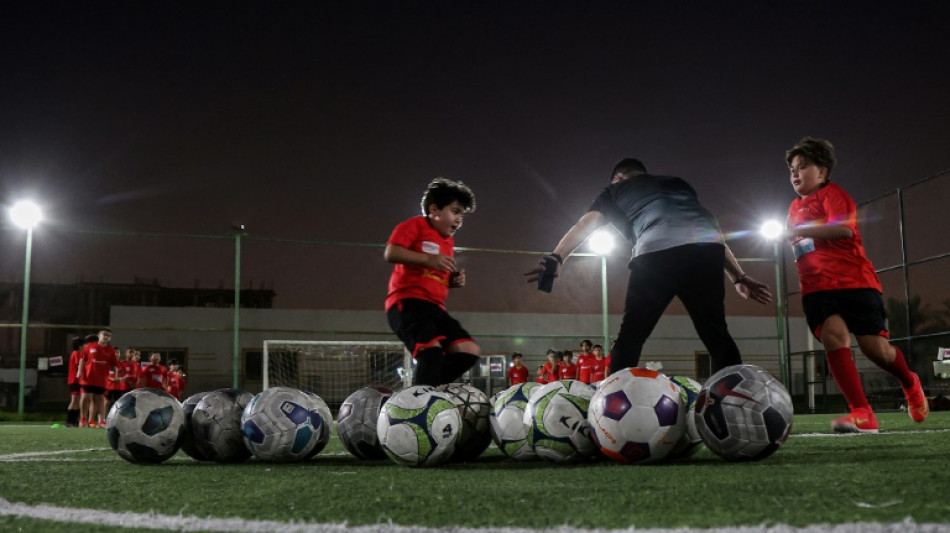
Seven-year-old Alain trains with two dozen other children in Doha, the World Cup's host city, striving to lose weight in pursuit of his dream: becoming a professional footballer.
Dribbling around cones on a hot and sticky evening, he is taking part in a broad campaign to encourage health and fitness in the Gulf, home to alarming levels of obesity.
"I'm here to lose weight and become a footballer... because this sport makes me happy," Alain says with a smile, wiping the sweat from his forehead.
The boy is not the only one who wants to improve his fitness in the resource-rich Gulf, whose wealth and exercise-deterring heat have combined to produce some of the world's most overweight populations.
The hundreds of super-fit international footballers now in Qatar for the World Cup, which starts on Sunday, are an anomaly for the desert peninsula where 70 percent of adults are overweight.
It's a similar story around the region, with 66 percent of Omanis overweight or obese, according to official figures, and a 2020 study putting Kuwait's childhood obesity at 35-40 percent.
In the United Arab Emirates, childhood obesity leapt from 12 percent to 17.4 percent in just two years to 2020, the health ministry said.
Unhealthy diets and sedentary lifestyles are to blame in a region which imports most of its food and has some of the world's hottest summers, making it hazardous to exercise outside.
Ali Koteich, director of the Cedars Sport Academy where Alain trains, said physical activity was vital for kids in Doha, where options are largely limited to "going to shopping centres or parks".
"In a place like Doha, sport is very important for children," the 39-year-old told AFP.
- 'Sport and health connected' -
Twenty-four percent of deaths among adults in the emirate are the result of heart conditions, and seven percent are due to diabetes, according to the health ministry.
In a report on physical inactivity issued last month, the World Health Organization said nearly half-a-billion people will develop associated medical conditions by 2030 and called for governments to "take urgent action".
"Obesity is linked to multiple chronic illnesses including diabetes and stress," explained Yousef al-Maslamani, a doctor and health spokesperson for the 2022 World Cup.
"That's why it is so important to show how sport and health are connected."
Gulf countries have begun promoting healthy lifestyles, including a fun run organised by the WHO in Doha on Saturday.
Dubai, the UAE's commercial capital an hour's flight away, is in the midst of a 30x30 campaign, encouraging residents to exercise 30 minutes daily for a month.
And at the World Cup, children are being encouraged to send videos of dance moves that players can use as goal celebrations, in a FIFA-backed bid to make them more active.
"We know the negative impact on children's health that a lack of exercise can have," said FIFA chief Gianni Infantino.
Whether hosting big sports events can improve a nation's health is debatable.
In 2019, Britain's National Institute for Health and Care Research said the London 2012 Olympics had only "small and transient" effects on physical activity for nearby residents.
But healthy messaging is at least being heard. Back at the football academy, nine-year-old Oubay el-Sayyed is giving his team-mates a pep talk, under the approving gaze of his mother, Nada.
"You shouldn't play with your phone all the time, because you have to do some exercise," he tells them. "Football will make your life easier and help you."
D.Kaufman--AMWN