European firms scrap toxic ships on Bangladesh beaches: HRW / Photo: Munir Uz zaman - AFP
 Taiwan lawmakers approve $7.6 bn drone budget as China threat grows

 TechCentral.ie Daily Briefing: Agentic AI Firm Doubles Headcount to 60
 KiiChain Integrates TRON to Expand 24/7 On-Chain FX and Stablecoin Payments

 Japan to survey animal cafes over hygiene, welfare concerns

 Desperate families search for missing after Nepal floods
 The missing in Nepal-Tibet flash floods
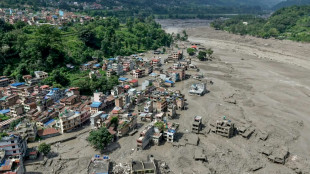 Search for 1,300 missing after deadly Nepal-Tibet floods

 Once a top export, prized Kashmir carpet fades

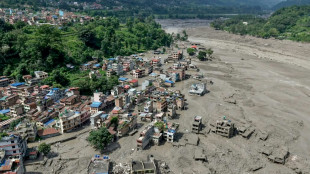 Search for 1,000 missing after deadly Nepal-Tibet floods
 Park So-yeon first woman to play for eSports powerhouse South Korea
 Yayoi Kusama: Japan's kaleidoscopic, troubled 'polka dot queen'

 Euro champ Hunt 'on her toes' against world's best in Zurich 100m
 Asian chip firms lifted by Nvidia forecast but broader markets struggle

 Search for missing after Nepal-Tibet floods kill 165

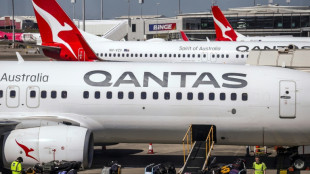 Qantas says profits slump as fuel costs surge

 Lofty bond yields, Bessent's intervention pose challenge to Fed's Warsh
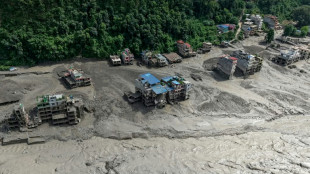 The foreigners missing in Nepal's flash floods

 Bond yields are surging: Here's why that could spell trouble
 Fed's Cook rejects Trump mortgage fraud claims

 Guardian Metal Resources PLC Announces Pilot Mountain Technical Report Summary

 Meta, US states agree $18 bn settlement in landmark teen safety case

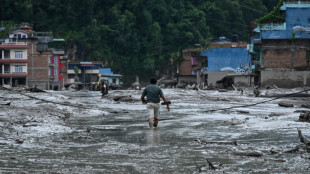 What scientists know so far about Nepal's deadly floods

 US general visits Colombia to discuss war on drugs

 Meta settlement puts social media industry on notice: 'There will be more'
 NFL owners approve record Seahawks sale

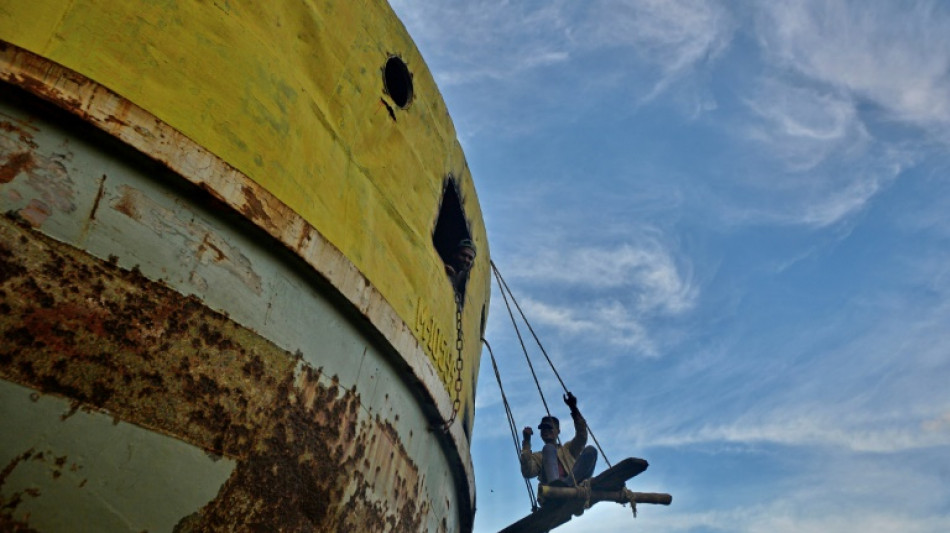
European maritime companies are ditching their old ships for scrap on Bangladeshi beaches in dangerous and polluting conditions that have killed workers pulling them apart, Human Rights Watch said Thursday.
Bangladesh's southeastern Sitakunda beaches have emerged as one of the world's largest shipbreaking yards, fuelling the South Asian country's booming construction industry and its need for cheap sources of steel.
European firms are among the shipping companies to have sent 520 vessels to the site since 2020, where thousands of workers take apart ships without protective gear.
"Companies scrapping ships in Bangladesh's dangerous and polluting yards are making a profit at the expense of Bangladeshi lives and the environment," said HRW researcher Julia Bleckner.
"Shipping companies should stop using loopholes in international regulations and take responsibility for safely and responsibly managing their waste."
Workers told HRW they used their socks as gloves to avoid burns while cutting through molten steel, covered their mouths with shirts to avoid inhaling toxic fumes, and carried chunks of steel barefoot.
"Workers described injuries from falling chunks of steel or being trapped inside a ship when it caught fire or pipes exploded," HRW said in their report, published jointly with Belgian-based NGO Shipbreaking Platform.
At least 62 workers have been killed by accidents in Sitakunda's shipbreaking yards since 2019, Bangladeshi environmental group Young Power in Social Action has said.
Two workers died last week in separate incidents after falling from partially dismantled ships, police told AFP.
- 'Living in misery' -
The Bangladesh Ship Breakers Association (BSBA), which represents yard owners, said its members had moved to upgrade safety ahead of a new international convention on safe and environmentally sound scrapping, due to enter into force in 2025.
"We are turning our shipbreaking yards into green yards even though it is expensive," BSBA president Mohammad Abu Taher told AFP.
"We are working on it. We supply protective equipment to workers."
But Fazlul Kabir Mintu, coordinator for the Danish-funded Occupational Safety and Security Information Center, said yard owners operated in a "climate of impunity" because of their outsized influence in local politics.
"There is little or no attention to worker safety in dozens of yards," he told AFP.
Many ships sent to Sitakunda contained asbestos, said Ripon Chowdhury, executive director of the OSHE Foundation charity that works with shipbreaking labourers.
Asbestos is associated with lung cancer and other life-threatening diseases, but Chowdhury told AFP that workers were forced to mop it up with their bare hands.
He added that his organisation had studied 110 shipbreaking workers for exposure to the toxic substance, finding that 33 had tested positive.
"All 33 workers were victims of varying degrees of lung damage," he said. "Of the victims three have died, while others are living in misery."
F.Bennett--AMWN