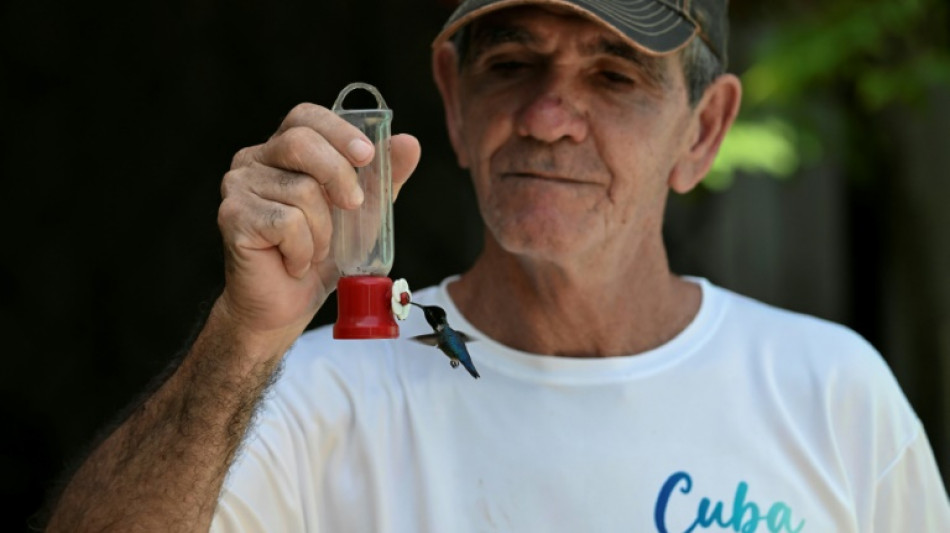
In Cuba, a haven for the world's tiniest bird / Photo: YAMIL LAGE - AFP
 Too hot to incubate: Nile crocodiles hatch on their own in French reserve

 Spurs closing in on Man City's Marmoush after signing Savio

 Celtic count the cost of Champions League flop

 Lebanon accuses Israel of burning forest, farmland in south
 Nepal floods at China border kill 8, cause 'major casualties' in Tibet

 France eases cow diets as cheesemakers sweat

 America unites in mourning for Dolly Parton

 Meta and US states discuss settlement in landmark social media trial: report

 Fire haze threatens health of millions in Indonesia, ministry warns

 Senegal-made sickle cell treatment raises hopes, reduces costs
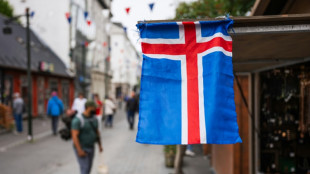
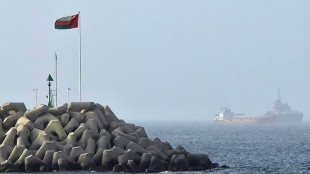 Iran says Hormuz strait still closed despite transit corridor talks

 'Our patron saint': Tennesseans mourn local hero Dolly Parton
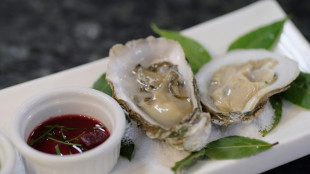 Australian police hunt thieves in $250,000 oyster heist

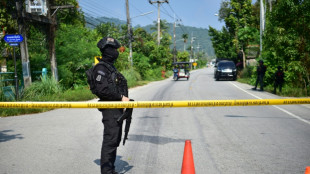 Coordinated attacks: Thailand's southern insurgency flares

 Asian Games chiefs hold talks as participant numbers balloon

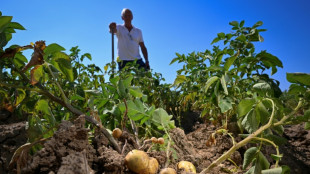 Too small for fries: drought shrinks Belgian potatoes

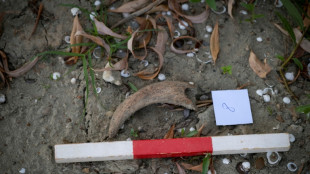 Drought-hit Danube gives way to fossil hunt in Bulgaria
 Julia Curlee, CIA officer fired by White House for being transgender

 Fave or flop? A guide to gauging video game success

 RAEK Partners with Avadium Design to Develop RAEK Creator Vault, Its First Private AI Appliance

 Aztec Completes Consolidation of Tombstone Gold-Silver District Land Package, Arizona - Key Land Holdings Have Grown More Than Six-Fold Since 2017

 Who is the Best Eyelid Surgeon in Kirkland?

 How to Manage Costs for Urgent Plumbing Repairs

 Eagle Plains Reports Anomalous Radioactivity from First Drillholes at the Don Lake Uranium Project, Saskatchewan
 Instagram chief admits touting teen safety tool while omitting it was barely used

The wings of the world's tiniest birds are a near-invisible blur as they whizz around tourists visiting a private Cuban garden that has become a haven for the declining species.
The bee hummingbird, which measures just five to six centimeters (two inches) long, is only found in Cuba. Its losses have been huge, with the International Union for Conservation of Nature (IUCN) saying it has disappeared from many areas due to deforestation.
But in Palpite, in the southwest of the country, Bernabe Hernandez, 75, has turned his garden into a paradise for the bitty bird.
"We never get tired of it. We always discover something new!" he said as he watched two of the hummingbirds (Mellisuga helenae) zip towards a hanging water bath.
Cubans call them "zunzuncito," a word evoking the sound of the buzzing of their tiny wings, which can flap up to 100 times a minute.
When Hurricane Michelle, one of the strongest to ever hit Cuba, devastated crops and homes in the area in 2001, "the zunzuncito disappeared. There were no more flowers, many died," according to local bird lover Orestes Martinez.
Hernandez moved to the village of Palpite after the hurricane destroyed his home. The government gave him land to rebuild on the edge of the Cienaga de Zapata, the largest wetland in the Caribbean.
"I moved here, but there were no birds," he told AFP.
"So I planted a 'ponasi' to provide shade and attract some birds," he said, referring to a shrub whose fruit is sought after by birds.
He did not know that the shrub's flowers were a delicacy for bee hummingbirds, who quickly flocked to his garden, which also boasts mango, guava and avocado trees.
"When I first saw a zunzuncito, I thought it was an insect," he said.
He decided to plant more of the shrubs and his lush garden soon buzzed with hummingbirds, which nested in nearby woods.
- 'The House of the Hummingbirds' -
Another hummingbird, the Cuban Emerald, which measures up to 10 centimeters, also frequents the garden, which was opened to tourists in 2003 and is now known as "The House of the Hummingbirds."
Visitors hold up bird feeders to lure the tiny birds closer.
Guides from the Cienaga de Zapata National Park, known for its diversity of bird life, with over 175 species, aided Hernandez and his wife Juana Matos with the precise mixture of water and sugar contained in the feeders.
The two have become experts in the behavior of the bird, pointing out the iridescent red head of a male bee hummingbird, who looks like he is wearing a glittery mask -- but only during the mating season.
For the amateur ornithologist Martinez, the garden is an important sanctuary for the minuscule hummingbird, classified as "near-threatened" by the IUCN, which estimates its numbers at between 22,000-60,000.
The garden helps "protect the bird. During the breeding season, the female can more easily gather food for the chicks."
G.Stevens--AMWN