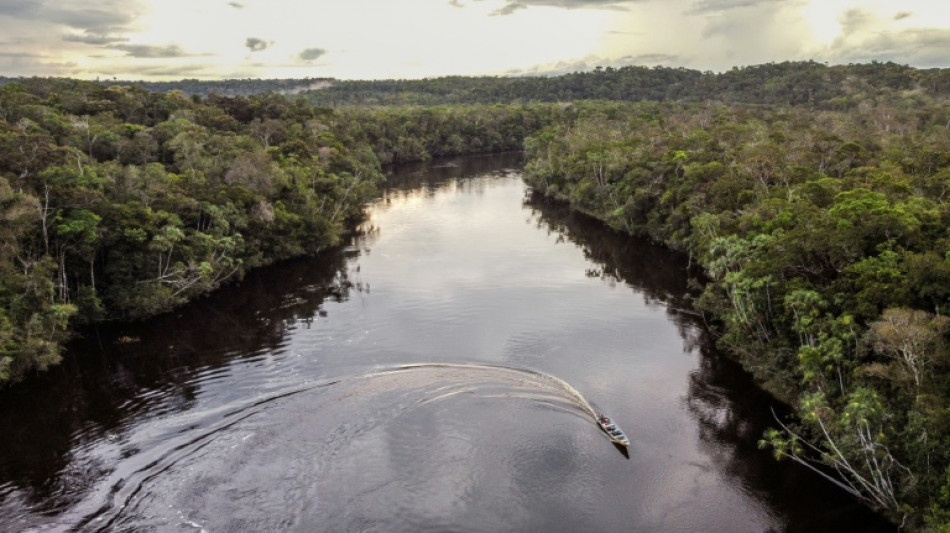
Carbon credits 'ineffective', says corporate climate watchdog / Photo: Juan Pablo Pino - AFP
 Zurich Diamond League: five events to watch

 'Black smoke' chokes Pakistan maternity ward as hospital fire kills 14 infants

 French flight attendant wins landmark breast cancer ruling
 Sri Lanka 83-2 after India enforce follow-on in second Test

 Pakistan hospital fire kills 14 infants

 Iceland to vote on resuming EU talks in close referendum

 North Korea to 'bring joy' to Kim with 100 athletes at Asian Games

 US LGBTQ community mourns 'diva' Dolly Parton

 England bid to banish booze woes as Pakistan seek self-respect

 High quality, low risk: record number of Japanese in Premier League

 Stocks edge higher as oil drops on fresh Mideast hopes

 Pakistan's girls fight for their place in the boxing ring

 Five things to know about Anthropic ahead of Wall Street debut

 Social media use on the rise among Australian under-16s after ban: data

 Eagle Plains Reports Anomalous Radioactivity from First Drillholes at the Don Lake Uranium Project, Saskatchewan

 Instagram chief admits touting teen safety tool while omitting it was barely used

 'Final Fantasy', 'The Witcher' in spotlight at Europe gaming bash
 Syrian Kurdish leader dissolves force that spearheaded jihadist fight

 Trump raises prospect of demolishing iconic Kennedy Center

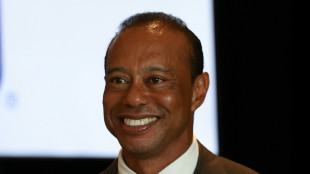 PGA Tour to end in two-week matchplay showdown from 2028: CEO

 United States of Dolly: how a country queen bridged America's divide

 PGA chief says 'no current plans' for LIV stars to return

 Golf giant Callaway apologizes after ad sparks outcry

 Ioane stars as New Zealand recover to beat Johannesburg Lions

 Ukrainians seeking beauty in a bomb-scarred city

The world's top judge of corporate climate action on Tuesday described carbon credits as "ineffective" at addressing global warming and a risk for companies trying to reach net zero targets.
The use of credits by companies to make claims of carbon neutrality has long been challenged and the findings by the influential Science Based Targets Initiative (SBTi) were much anticipated.
SBTi is the gold standard for assessing the net zero plans of big businesses and the tick of approval allows companies to say their climate pledges align with science.
But the nonprofit, which is backed by the UN and WWF, sparked a staff revolt in April when it proposed allowing companies to use more carbon credits to meet their climate goals.
In response to demands that the CEO and board resign, SBTi promised to review third-party literature on carbon credits and present its expert findings in July.
On Tuesday, it said the evidence "suggests that various types of carbon credits are ineffective" and that using such offsets poses "clear risks" for companies.
"This includes potential unintended effects of hindering the net-zero transformation," stated one of the reports published on the SBTi website on Tuesday.
There was no evidence submitted to the review "that identified characteristics or operating conditions associated with effective carbon credits and projects", it added.
"The evaluation of evidence of carbon credit effectiveness reinforces what many academics have been saying for decades: carbon credits of any sort should not be used to compensate for fossil emissions," said Doreen Stabinsky, who sits on SBTI's technical council, an independent advisory body.
Carbon credits are supposed to help tackle global warming by funding activities that reduce or avoid the release of planet-heating emissions, such as protecting tropical forests or peatlands.
Critics say they allow companies that buy them to keep polluting without taking the necessary steps to clean up their act.
SBTi had taken a narrow view on carbon credits, requiring companies take action first to reduce their greenhouse gas output, and only turn to offsets for the remaining, hardest-to-cut emissions.
Then in April, its board flagged relaxing these rules in regards to offsetting Scope 3 emissions, which occur in the value chain, and represent the lion's share of the carbon footprints of most companies.
The proposal was seen as a major shift for a widely respected organisation that has verified the climate pledges of nearly 5,800 companies and financial institutions.
Gilles Dufrasne from Carbon Market Watch, a think tank, said SBTi's reviewed position was a "clear rebuttal" of its earlier move.
"This paper sets the record straight for SBTi, and is proof that SBTi staff are performing high-quality, unbiased work," he said in a statement.
SBTI's chief executive stepped down in July citing personal reasons.
The initiative plans to publish a draft update to its overall net zero corporate standards in late 2024, and said its guidance remained unchanged until then.
P.Costa--AMWN