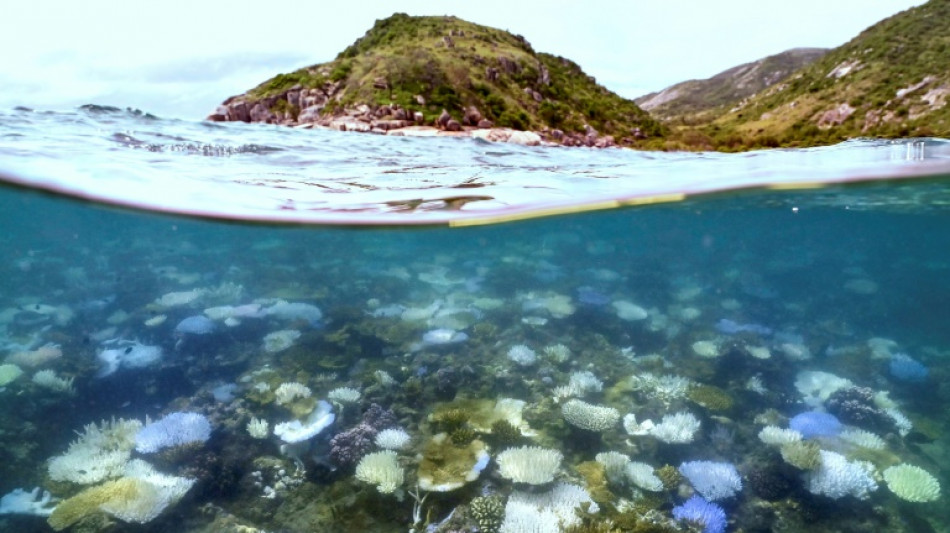
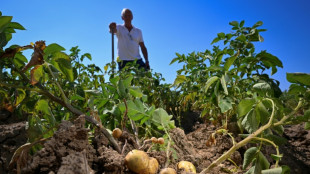
Australia tackles poor Great Barrier Reef water quality / Photo: DAVID GRAY - AFP/File
 Sri Lanka 83-2 after India enforce follow-on in second Test
 Pakistan hospital fire kills 14 infants
 Iceland to vote on resuming EU talks in close referendum
 North Korea to 'bring joy' to Kim with 100 athletes at Asian Games

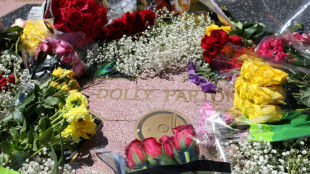
 US LGBTQ community mourns 'diva' Dolly Parton
 England bid to banish booze woes as Pakistan seek self-respect

 High quality, low risk: record number of Japanese in Premier League

 Stocks edge higher as oil drops on fresh Mideast hopes
 Pakistan's girls fight for their place in the boxing ring
 Five things to know about Anthropic ahead of Wall Street debut

 Social media use on the rise among Australian under-16s after ban: data

 InterContinental Hotels Group PLC Announces Transaction in Own Shares - August 26

 Williams-Alcaraz fall in US Open mixed quarter-finals

 Mark Carney, the former central banker who said 'no' to Trump

 Segner out of South Africa tour as New Zealand injuries pile up

 Meta knew teen safety tools were ineffective, witnesses testify
 Williams and Alcaraz win opener at US Open mixed doubles
 Man Utd's Fernandes crowned PFA player of the year

 Dolly Parton: quotes on life, love and music

 Brazil fines TikTok $30 mn in 'powerful signal' over child safety

 Cameroon's Baleba joins as Man Utd boost midfield options
 US country music legend Dolly Parton dies at 80

 Kolisi fit to captain South Africa against New Zealand

 Volkswagen workers boo boss during speech on job cuts

 Djokovic, Sabalenka tumble out of US Open mixed doubles

Australia on Friday launched a multi-million dollar effort to stop pesticide runoff and other water quality issues on the Great Barrier Reef, the latest effort to save the ailing natural wonder.
Environment Minister Tanya Plibersek unveiled a US$130 million bid to reduce nutrient and pesticide runoff, improve invasive species management, and support better land management across some of the most vulnerable spots along the reef.
Often dubbed the world's largest living structure, the Great Barrier Reef is a 2,300-kilometre (1,400-mile) long expanse, home to a stunning array of biodiversity that includes more than 600 types of coral and 1,625 fish species.
But repeated mass bleaching events -- when extreme heat saps the coral of nutrients and colour -- threaten the reef's fragile ecosystem.
Mass bleaching events along the reef occurred in 1998, 2002, 2016, 2017, 2020, 2022 and now 2024.
Such is the damage to the reef that the UN's cultural organisation UNESCO has weighed labelling the world heritage site "at risk", a move that could put millions of tourist dollars at risk.
Plibersek said the latest funding was vital to stop some of the other problems plaguing the ecosystem and "make sure the beauty and majesty of the Reef can be enjoyed for our kids and grandkids".
"Sediment run-off is one of the biggest threats to the Great Barrier Reef," she said.
"Poor water quality stops coral from regrowing, kills seagrass, and blocks the sunlight needed for a healthy reef."
- Beyond recovery? -
This year's bleaching event has left 81 percent of the reef with extreme or high levels of damage -- one of the most severe and widespread on record, the latest government data shows.
It will take scientists a few more months to determine how much of the reef is beyond recovery.
Coral bleaching occurs when water temperatures rise more than one degree Celsius (1.8 degrees Fahrenheit).
Australian Marine Conservation Society marine ecologist Lissa Schindler welcomed the government's funding boost but said more needed to be done to address the root cause of climate change.
Historically, investment had been spread thin across the reef rather than a targeted approach, she said.
"Water pollution is one of the biggest threats to the reef outside of climate change," she told AFP.
"The reef needs every bit of help it can get."
But Australia, one of the world's largest gas and coal exporters, has only recently set targets to become carbon neutral.
C.Garcia--AMWN