Coastal cities alarmingly slow to adapt to climate change: study / Photo: ISAAC LAWRENCE - AFP/File
 Sri Lanka 83-2 after India enforce follow-on in second Test
 Pakistan hospital fire kills 14 infants

 Iceland to vote on resuming EU talks in close referendum
 North Korea to 'bring joy' to Kim with 100 athletes at Asian Games
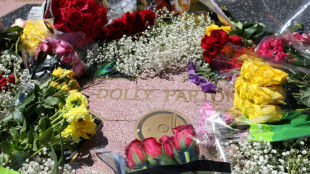
 US LGBTQ community mourns 'diva' Dolly Parton

 England bid to banish booze woes as Pakistan seek self-respect
 High quality, low risk: record number of Japanese in Premier League

 Stocks edge higher as oil drops on fresh Mideast hopes

 Pakistan's girls fight for their place in the boxing ring

 Five things to know about Anthropic ahead of Wall Street debut
 Social media use on the rise among Australian under-16s after ban: data

 InterContinental Hotels Group PLC Announces Transaction in Own Shares - August 26

 Williams-Alcaraz fall in US Open mixed quarter-finals

 Mark Carney, the former central banker who said 'no' to Trump

 Segner out of South Africa tour as New Zealand injuries pile up

 Meta knew teen safety tools were ineffective, witnesses testify

 Williams and Alcaraz win opener at US Open mixed doubles
 Man Utd's Fernandes crowned PFA player of the year

 Dolly Parton: quotes on life, love and music

 Brazil fines TikTok $30 mn in 'powerful signal' over child safety

 Cameroon's Baleba joins as Man Utd boost midfield options
 US country music legend Dolly Parton dies at 80

 Kolisi fit to captain South Africa against New Zealand

 Volkswagen workers boo boss during speech on job cuts

 Djokovic, Sabalenka tumble out of US Open mixed doubles

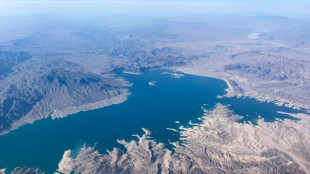
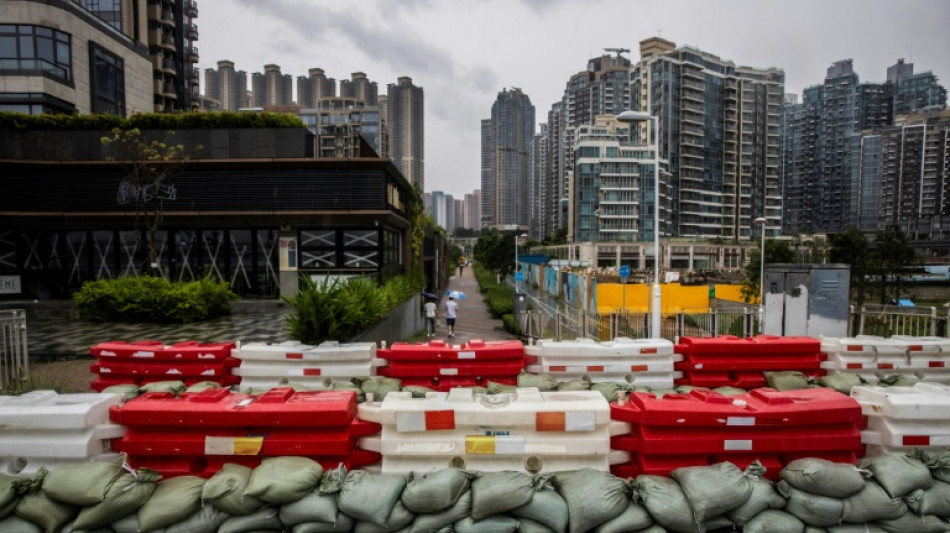
Coastal cities are not doing enough to adapt to climate change, taking too long and implementing insufficient measures, according to a major study published this week.
While flood barriers and pumping systems are a step in the right direction, "across all regions and income groups, scientifically reported adaptation in coastal cities remains at rather low depth, scope and speed," said the study published in Nature Cities, which looked at 199 cities worldwide.
Given the high exposure and vulnerability of many coastal cities, "this finding is alarming as adaptation to future climate change will require many cities to go beyond business as usual risk management," it said.
Short- and mid-term solutions, as many cities are implementing, could even have an adverse effect, the study warned, leading to a "lock-in and maladaptive path dependency in the long-term."
Instead, adaptation must aim at "transformation" of cities -- a change both of infrastructure and at the institutional level.
Positive models cited in the report include Singapore, Hong Kong and several Swedish cities.
But in the majority, the study found that coastal cities focus primarily on combating sea level rise, various types of flooding, and to a lesser extent the risks posed by erosion and storms.
And for scientists such a scope is too narrow -- cities need to address other problems linked to climate change, such as heatwaves.
- Institutions and households -
By comparing data from 199 cities, listed in 683 scientific articles, the researchers found that the actors driving adaptation changed according to the country and income category.
The richest coastal areas take a technological approach to dealing with climate change and the major players are institutions.
Meanwhile, lower-income cities located mainly in Africa, Asia, and South and Central America, have no other choice but to rely on a "behavioural and cultural" effort for populations to adapt.
In lower-income coastal cities, there is a lack of institutional and/or technological support, making it "more likely individuals/households are reported as prime adaptation actors."
The poorest economies remain under-represented in the scientific literature, which complicates their adaptation.
"A considerable gap in research that needs to be addressed urgently," the study warned.
L.Davis--AMWN