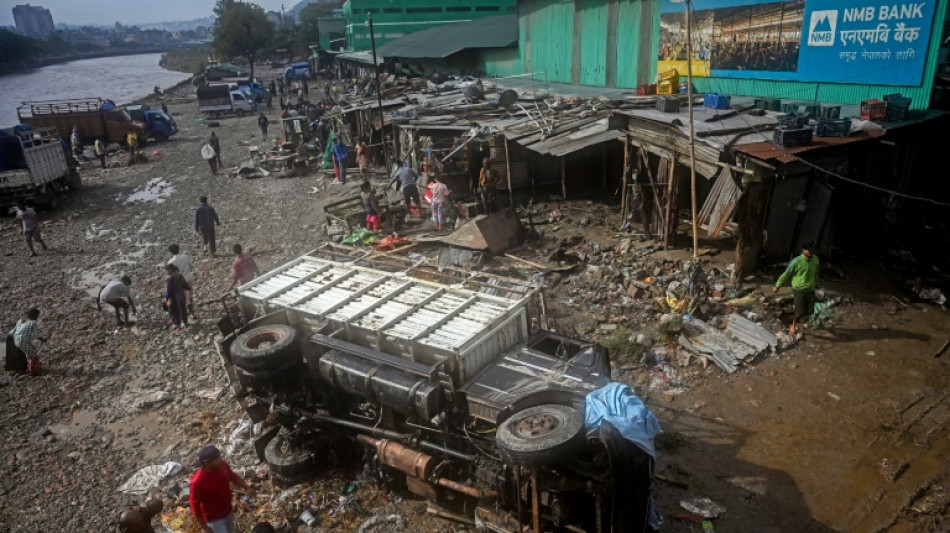
Nepal surveys flood wreckage as death toll reaches 200 / Photo: PRAKASH MATHEMA - AFP
 North Korea to 'bring joy' to Kim with 100 athletes at Asian Games

 US LGBTQ community mourns 'diva' Dolly Parton

 England bid to banish booze woes as Pakistan seek self-respect
 High quality, low risk: record number of Japanese in Premier League

 Stocks edge higher as oil drops on fresh Mideast hopes
 Pakistan's girls fight for their place in the boxing ring

 Five things to know about Anthropic ahead of Wall Street debut

 Social media use on the rise among Australian under-16s after ban: data

 Instagram chief admits touting teen safety tool while omitting it was barely used

 'Final Fantasy', 'The Witcher' in spotlight at Europe gaming bash
 Syrian Kurdish leader dissolves force that spearheaded jihadist fight

 Trump raises prospect of demolishing iconic Kennedy Center

 PGA Tour to end in two-week matchplay showdown from 2028: CEO

 United States of Dolly: how a country queen bridged America's divide

 PGA chief says 'no current plans' for LIV stars to return

 Golf giant Callaway apologizes after ad sparks outcry

 Ioane stars as New Zealand recover to beat Johannesburg Lions

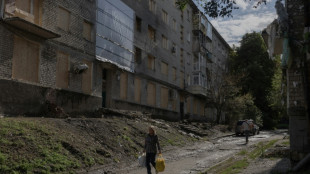 Ukrainians seeking beauty in a bomb-scarred city

 Dolly Parton: Country music's dolled up but deserving queen

 US robotaxi firm Waymo plans to launch in Germany

 'Here to win': Xavi vows to restore pride in Dutch football

 Cameroon's Baleba joins as Man United boost midfield options

 'Shocking' book about Putin's private life wins French literary prize

 Pogacar storms to Vuelta a Espana stage four solo triumph

 Canada unveils counter-tariffs of 15-50% on US goods

Search and rescue teams in Nepal's capital picked through wrecked homes on Monday after waters receded from monsoon floods that killed at least 200 people around the Himalayan republic.
Deadly floods and landslides are common across South Asia during the monsoon season from June to September but experts say climate change is making them worse.
Entire neighbourhoods in Kathmandu were inundated after the heaviest rains in more than two decades, with the capital temporarily cut off from the rest of Nepal after landslides blocked highways.
"According to the latest figures, 200 have died, 127 are injured and 26 are still missing," home ministry spokesman Rishi Ram Tiwari told AFP.
Police said at least 35 of those killed were buried alive when earth from a landslide careened into vehicles on a highway south of Kathmandu.
Bulldozers were being used to clear nearly two dozen sections of major roads leading into Kathmandu that had been blocked by debris.
The home ministry said it was working to rescue numerous people who had been stranded on the highways.
Rescuers in knee-high rubber boots were using shovels to clear mud from the worst-hit riverside neighbourhoods around Kathmandu, many of them unauthorised slum settlements.
The International Centre for Integrated Mountain Development (ICIMOD), a Nepal-based think tank, said the disaster had been made worse by unplanned urban encroachment around the Bagmati River, which flows through the capital.
Nepal's army said more than 4,000 people had been rescued, with helicopters, motorboats and rafts bringing stranded people to safety.
Nilkantha Pandey of the humanitarian organisation CARE Nepal said many of those affected by the floods needed safe drinking water and temporary housing.
"Mostly informal settlements have been affected," Pandey said. "It is time to respond and not delay."
- 'An extreme event' -
Merchants in Kathmandu said damage to intercity roads had drastically cut the supply of fresh fruit and vegetables into the capital.
"The farmers have their produce ready but with the highways blocked, all of it is stuck," Binay Shrestha, who works at one of the city's main produce markets, told AFP.
Nepal's weather bureau said their preliminary data measured record-breaking rain in the 24 hours to Saturday morning.
A monitoring station at Kathmandu airport recorded about 240 millimetres (9.4 inches) of rain, the highest figure since 2002.
Climate expert Arun Bhakta Shrestha of ICIMOD told AFP that rainfall should be decreasing by late September with the end of the annual monsoon.
"Rainfall of this kind has to be described as abnormal," he said.
"It is an extreme event... I see the possibility of the role of climate change to some extent."
But he added that unplanned urban development had also worsened the impact of the disaster.
The summer monsoon from July to September brings South Asia 70-80 percent of its annual rainfall and is vital for agriculture and food production in a region home to around two billion people.
However, monsoon rains also bring widespread death and destruction in the form of floods and landslides.
Experts say climate change has worsened their frequency and intensity.
More than 300 people have been killed in rain-related disasters in Nepal this year.
O.Norris--AMWN