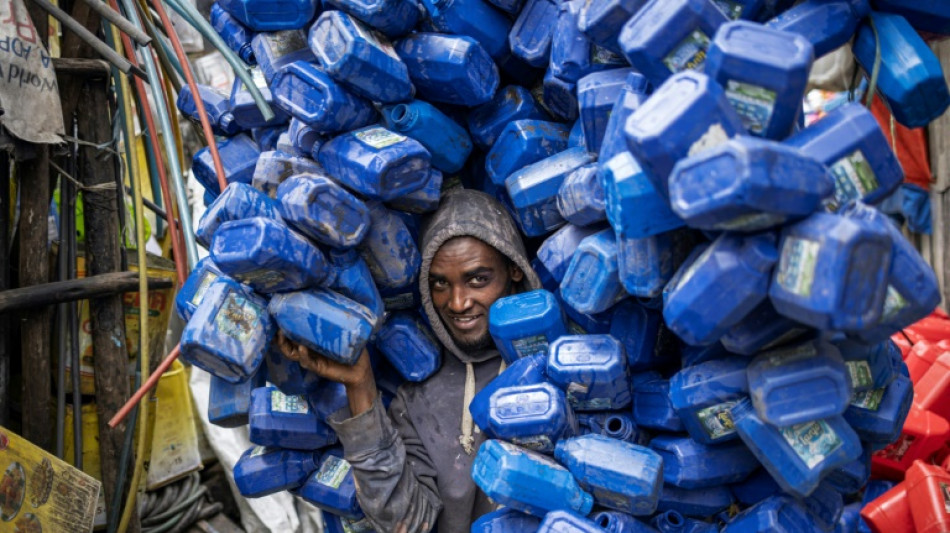
Ethiopia's 'korale' recyclers turn waste into money / Photo: Michele Spatari - AFP
 High quality, low risk: record number of Japanese in Premier League

 Stocks edge higher as oil drops on fresh Mideast hopes
 Pakistan's girls fight for their place in the boxing ring
 Five things to know about Anthropic ahead of Wall Street debut
 Social media use on the rise among Australian under-16s after ban: data

 Instagram chief admits touting teen safety tool while omitting it was barely used

 'Final Fantasy', 'The Witcher' in spotlight at Europe gaming bash
 Syrian Kurdish leader dissolves force that spearheaded jihadist fight

 Trump raises prospect of demolishing iconic Kennedy Center

 PGA Tour to end in two-week matchplay showdown from 2028: CEO

 United States of Dolly: how a country queen bridged America's divide

 PGA chief says 'no current plans' for LIV stars to return

 Golf giant Callaway apologizes after ad sparks outcry

 Ioane stars as New Zealand recover to beat Johannesburg Lions

 Ukrainians seeking beauty in a bomb-scarred city

 Dolly Parton: Country music's dolled up but deserving queen

 US robotaxi firm Waymo plans to launch in Germany
 'Here to win': Xavi vows to restore pride in Dutch football

 Cameroon's Baleba joins as Man United boost midfield options

 'Shocking' book about Putin's private life wins French literary prize
 Pogacar storms to Vuelta a Espana stage four solo triumph
 Canada unveils counter-tariffs of 15-50% on US goods

 Volkswagen boss braces German workers for more job cuts
 Olympic champion Brignone to undergo new knee operation

 The summer climate change became scorching reality for Europe

With a tattered bag on his back, Dereje Enigdamekonen trawled the endless alleyways of the Merkato market in Addis Ababa, calling for the Ethiopian capital's abundant scrap.
"Korale, korale," he shouted at regular intervals.
It's a made-up word in Amharic that is now used for the thousands of collectors, almost all men, who hunt out everything from used jerry cans and electrical equipment to shoes, shovels and any other unwanted bric-a-brac.
These objects are then either restored, stripped for spare parts, or transformed into something new -- giving new life to what would otherwise be polluting litter.
Dereje, 45, has been doing this work for a year, rain or shine, saying he buys "everything that can be reused".
For a kilogramme of collected metal, he can get about 40 birr ($0.30) and for jerry cans, depending on the size, between three and 25 birr.
"Waste can be transformed into money," he said with a smile.
After wandering for hours, the korales converged on an area of Merkato called Minalesh Tera, which translates from Amharic as "What do you have?".
Here, the narrow alleys of Merkato, one of Africa's largest open-air markets, are lined with tiny tin-shack shops as far as the eye can see.
The recyclers sell their daily finds to middlemen like Tesfaye Getahun, who was in the middle of dismantling a huge printer.
With heavy blows of a mallet, he isolated the motherboard and some aluminium parts.
Whether it is computers or old televisions, Tesfaye said he recycles everything.
"They aren't used anymore, and if left like that, they can cause environmental pollution. But if they are disassembled and sold for parts, it helps prevent pollution," he said.
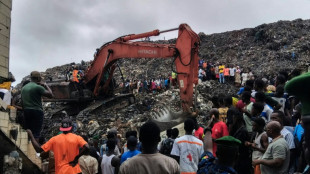
Addis Ababa produces about 400,000 tonnes of waste annually, according to 2020 figures from the United Nations Development Programme (UNDP), of which only 70 percent is picked up by the official waste management system.
- 'Help the environment' -
Tamirat Dejene was almost lost among piles of jerry cans in his shop.
The 21-year-old, who has been collecting plastic for four years, said he earns between 500 and 1,000 birr ($4 to $8.50) a day.
That can be a godsend in a country where more than a third of its 120 million people live below the poverty line, according to the World Bank.
"We earn our living and we also help the environment because these items are not biodegradable," said Tamirat.
"It is also beneficial for Addis Ababa: if this waste were not collected, the city's landfills would overflow. So we earn our living while providing a solution," he added.
The objects made in Minalesh Tera are then sold in shops in the capital and all over the country.
Some go even further.
Biruk Shimeles, 31, buys scrap metal to make aluminium charcoal stoves which he sells in Sudan, Djibouti and Somalia.
"This work protects the community from waste by transforming it into a business opportunity," said Biruk.
C.Garcia--AMWN