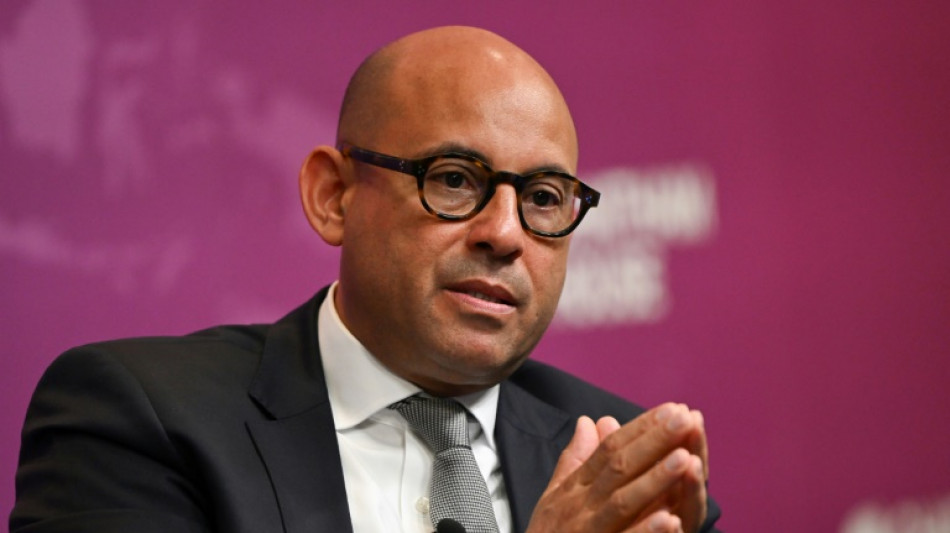
Public money 'must be at core' of new climate pact: UN's Stiell / Photo: JUSTIN TALLIS - AFP
 High quality, low risk: record number of Japanese in Premier League

 Stocks edge higher as oil drops on fresh Mideast hopes
 Pakistan's girls fight for their place in the boxing ring
 Five things to know about Anthropic ahead of Wall Street debut
 Social media use on the rise among Australian under-16s after ban: data

 Instagram chief admits touting teen safety tool while omitting it was barely used

 'Final Fantasy', 'The Witcher' in spotlight at Europe gaming bash
 Syrian Kurdish leader dissolves force that spearheaded jihadist fight

 Trump raises prospect of demolishing iconic Kennedy Center
 PGA Tour to end in two-week matchplay showdown from 2028: CEO

 United States of Dolly: how a country queen bridged America's divide

 PGA chief says 'no current plans' for LIV stars to return
 Golf giant Callaway apologizes after ad sparks outcry
 Ioane stars as New Zealand recover to beat Johannesburg Lions

 Ukrainians seeking beauty in a bomb-scarred city
 Dolly Parton: Country music's dolled up but deserving queen
 US robotaxi firm Waymo plans to launch in Germany
 'Here to win': Xavi vows to restore pride in Dutch football
 Cameroon's Baleba joins as Man United boost midfield options
 'Shocking' book about Putin's private life wins French literary prize
 Pogacar storms to Vuelta a Espana stage four solo triumph
 Canada unveils counter-tariffs of 15-50% on US goods
 Volkswagen boss braces German workers for more job cuts
 Olympic champion Brignone to undergo new knee operation

 The summer climate change became scorching reality for Europe
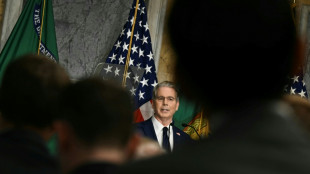
The UN's climate chief said Thursday that money from rich countries "must be at the core" of a new deal to increase funding for poorer nations to combat global warming.
The developing world needs trillions of dollars to help fund clean energy and prepare for climate change, but the world cannot agree how to raise the money.
It is hoped nations can resolve this at next month's UN COP29 climate summit despite rifts over how much is needed, what is covered, who pays for it, and how.
Wealthy nations most responsible for global warming to date, like the United States and European Union, are obligated to pay and face pressure to raise their existing commitment of $100 billion a year.
But they say they cannot foot the bill alone, and want others to help meet whatever 'climate finance' goal is inked when nearly 200 nations gather for COP29 in Azerbaijan.
"It's not my job to prejudge what the new goal will look like," said Simon Stiell, executive secretary of the UN Framework Convention on Climate Change (UNFCCC), which convenes the COP negotiations but does not influence its decisions.
"But it's clear public finance must be at the core. As much of this finance as possible needs to be grant or concessional, and must be made more accessible to those who need it most."
Developing countries -- most of the world in UNFCCC terms, from powerful emerging markets like China to low-lying island states -- say historic polluters are morally obligated to dig deep into their pockets.
They are also legally bound under the Paris climate agreement of 2015 to take the lead in providing and mobilising such money.
But some donors are under financial and political constraint, and have baulked at demands they commit huge sums of new money from their budgets.
They want private investment to play a much bigger role and for China, the oil-rich Gulf states, and other wealthy emerging markets to also help fill the pot.
Stiell said who pays and how much could be ironed out at COP29 "but we are not -- we are not -- going there to renegotiate the Paris Agreement".
Azerbaijan on Monday said developing countries needed trillions of dollars in climate finance but a goal of hundreds of billions in public money would be more "realistic".
The hosts expect more than 100 heads of state and government to attend the two-week summit in its capital Baku, which gets underway on November 11.
L.Durand--AMWN