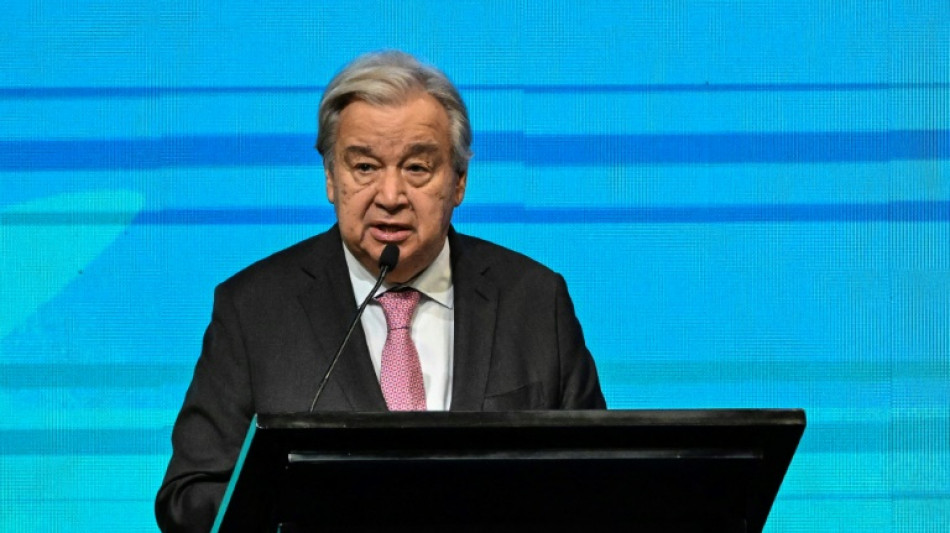
Nature destruction an 'existential crisis' for humans, says UN chief / Photo: Luis ACOSTA - AFP
 Social media use on the rise among Australian under-16s after ban: data

 Instagram chief admits touting teen safety tool while omitting it was barely used

 'Final Fantasy', 'The Witcher' in spotlight at Europe gaming bash
 Syrian Kurdish leader dissolves force that spearheaded jihadist fight

 Trump raises prospect of demolishing iconic Kennedy Center

 PGA Tour to end in two-week matchplay showdown from 2028: CEO

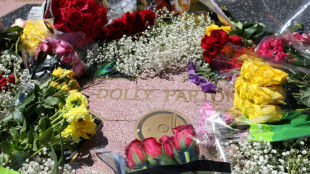 United States of Dolly: how a country queen bridged America's divide

 PGA chief says 'no current plans' for LIV stars to return

 Golf giant Callaway apologizes after ad sparks outcry

 Ioane stars as New Zealand recover to beat Johannesburg Lions

 Ukrainians seeking beauty in a bomb-scarred city

 Dolly Parton: Country music's dolled up but deserving queen

 US robotaxi firm Waymo plans to launch in Germany

 'Here to win': Xavi vows to restore pride in Dutch football

 Cameroon's Baleba joins as Man United boost midfield options
 'Shocking' book about Putin's private life wins French literary prize

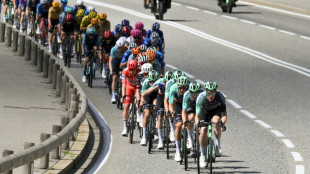 Pogacar storms to Vuelta a Espana stage four solo triumph

 Canada unveils counter-tariffs of 15-50% on US goods

 Volkswagen boss braces German workers for more job cuts

 Olympic champion Brignone to undergo new knee operation

 The summer climate change became scorching reality for Europe

 Root angered by England's off-field 'stupid mistakes'

 Welsh rugby league 'giant' Boston dies, aged 92

 Root annoyed by England's off-field 'stupid mistakes'

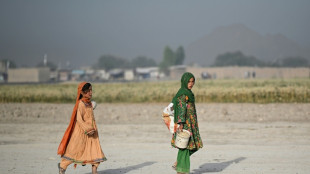 One million Afghan children suffer 'life-threatening' malnutrition: UN

Humanity faces an "existential crisis" caused by its rapacious destruction of life-sustaining nature, UN chief Antonio Guterres warned delegates Tuesday at a biodiversity summit in Colombia.
The 16th so-called Conference of Parties (COP16) to the UN's Convention on Biological Diversity (CBD) must make progress on the creation of monitoring and funding mechanisms to achieve 23 goals agreed in Canada two years ago to "halt and reverse" nature destruction.
Themed "Peace with Nature," the summit has been bogged down, however, in disagreement about modalities of funding.
Negotiators are also split on how best to share the profits of digitally sequenced plant and animal genetic data -- used in medicines and cosmetics -- with the communities they come from.
Delegates have no time to waste.
There are only five years left to achieve the 23 UN targets, which include placing 30 percent of land, water and ocean under protection by 2030.
"Every day, we lose more species. Every minute, we dump a garbage truck of plastic waste into our oceans, rivers and lakes. Make no mistake. This is what an existential crisis looks like," Guterres told delegates.
A report issued by nature watchdogs Monday said only 17.6 percent of land and inland waters, and 8.4 percent of the ocean and coastal areas, are protected and conserved.
And an update of the International Union for Conservation of Nature's Red List of threatened animals and plants found that more than one in three species of tree are at risk of extinction worldwide.
These include thousands that provide humans with timber, medicine, food and fuel.
More than 46,000 plant and animal species out of some 166,000 assessed are now threatened with extinction.
"What we are living through is worse than the apocalypse," COP16 host Gustavo Petro, the president of biodiversity-rich Colombia, told delegates.
- 'More money' -
Guterres said humans must make the switch from "plundering... to preserving" nature's bounty. Continued destruction would only increase "hunger, displacement, and armed conflicts."
"Nature is life. And yet we are waging a war against it," the UN secretary-general told COP16 delegates.
"No country, rich or poor, is immune to the devastation inflicted by climate change, biodiversity loss, land degradation and pollution. These environmental crises are intertwined," he added.
To this end, he urged the 196 countries signed up to the UN biodiversity convention to act on the commitments made two years ago when they adopted the Kunming-Montreal Global Biodiversity Framework.
This means adopting detailed national biodiversity protection plans, only 36 of which have been submitted to date.
Furthermore, "finance promises must be kept and support to developing countries accelerated," said Guterres, calling for new public and private pledges.
So far, countries have made about $400 million in commitments to the Global Biodiversity Framework Fund (GBFF) created to meet the 23 targets.
This includes pledges of $163 million announced this week by Austria, Denmark, France, Germany, New Zealand, Norway, the United Kingdom, and the Canadian province of Quebec.
COP president Susana Muhamad, Colombia's environment minister, told AFP on Monday the GBFF needs "more money."
The Kunming-Montreal framework determined that countries must mobilize $20 billion per year by 2025 from rich nations to help developing ones. The GBFF is just part of this funding.
Of the $20 billion goal, $15 billion a year was reached for 2022, according to the OECD.
COP16 has attracted a record 23,000 registered delegates and some 1,200 journalists to Cali, according to organizers, making it the biggest UN biodiversity summit ever.
Tens of thousands of activists and residents have flocked to its so-called "green zone" set up for cultural activities, demonstrations and celebrations.
More than 10,000 police and soldiers were deployed to safeguard the event which had received threats from a Colombian guerrilla group. No incidents have been reported.
On Tuesday and Wednesday, Guterres is in Cali with the heads of state of Colombia, Armenia, Guinea-Bissau, Haiti and Suriname, as well as 115 government ministers and 44 vice-ministers to add impetus to the talks that started with lower-level delegates on October 21.
The COP16 summit runs until Friday.
F.Dubois--AMWN