Uzbek Muslims pray for rain amid severe drought / Photo: Temur ISMAILOV - AFP
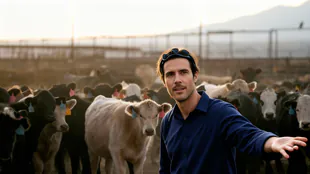 Researchers Warn 'Bookkeeping Trick' Masks Beef Industry's Methane Emissions

 Climate Change Intensified Atlantic Hurricanes, Study Finds

 Qatar solar expansion opens scope for technical performance gains

 Best Gold and Silver IRA Companies Rankings 2026 Released by Experts

 Caledonia Mining Corporation Plc Notice of Q3 2026 Results and Investor Presentation

 Coca-Cola Europacific Partners plc Announces Q3 Trading Update & Interim Dividend Declaration
Uzbek Muslims held mass prayers for rain Friday as the Central Asian country suffers severe droughts associated with climate change.
The prayers were held in 2,000 mosques across the Muslim country of 35 million people.
"We never had such prayers before," 63-year-old faithful Abdurashid Rasulov told AFP at a prayer in the capital Tashkent.
"But now, since the rain is delayed, our religious leaders instructed us to ask Allah for rain," he added.
Anvar Abduazizov, 67, said: "We prayed for a blessing for our country and our land and for the rain to pour down abundantly."
For Tashkent, the largest city in Central Asia, this year's drought has been one of the harshest in 170 years, Uzbekistan's Meteorological Agency said this month.
Over the past 60 years, temperatures in Uzbekistan have risen "nearly three times the global average, leading to more frequent droughts", according to a United Nations report.
Climate change is speeding up the melting of glaciers, a key water source for the approximately 80 million inhabitants of Central Asia, a region comprising five former Soviet republics where economies and population are growing rapidly.
The UN and scientists have warned glaciers may disappear by the end of the century.
Increased levels of dust, widespread use of coal for heating and poor quality gasoline for vehicles have meanwhile made Uzbekistan one of the world's most polluted countries.
Uzbek authorities say they have used rain-making technology, but it is expensive and far from being widely implemented.
A.Jones--AMWN