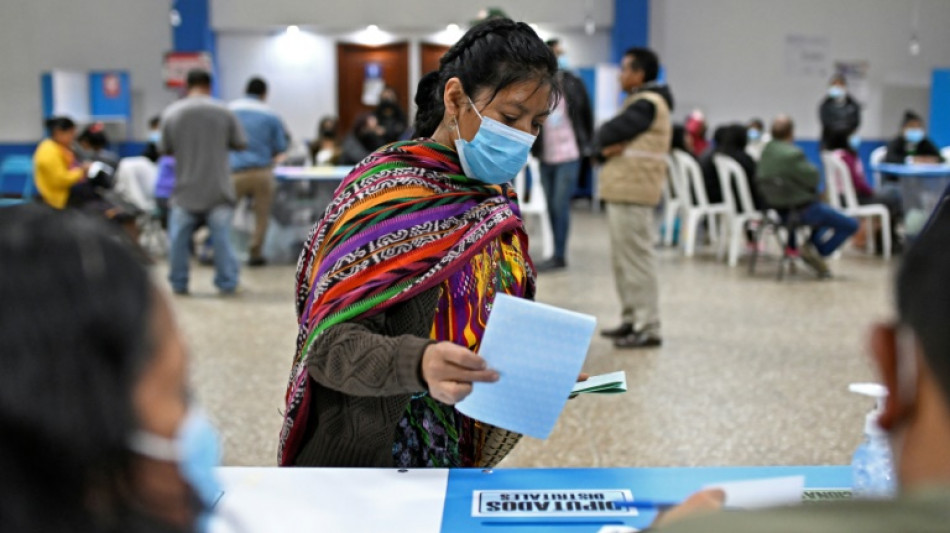
Guatemala presidential election frontrunners to face runoff / Photo: Luis ACOSTA - AFP
 PSU Bank Stocks Surge Up to 27% in November Amid FPI Inflows
 Manchester City vs Fulham Live: Haaland Disallowed Goal and Muniz Strike

 Miao and Dong Traditional Knowledge Offers Climate Resilience Lessons at COP31

 Rosalind Eleazar on Immersing in Los Angeles for 'Misty Green' Role

 FlatRx Publishes a Dated Price Comparison of Compounded Tirzepatide at 27 U.S. Telehealth Programs Counted at a 10 mg Weekly Dose

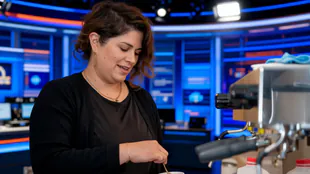 Abanico Coffee Roasters Opens Second San Francisco Location in Inner Sunset
The two frontrunners in Guatemala's presidential elections will face a runoff vote, the electoral commission said Monday, with neither able to secure the 50 percent minimum share to win the first round.
With nearly 90 percent of votes counted, Guatemala's electoral commission said the results were "practically definitive".
Center-left candidate Sandra Torres, who won 15.12 percent of votes counted, was less than three percent ahead of Bernardo Arevalo, on 12.20 percent.
Sunday's election saw low turnout and blank ballots cast, with many voters doubtful it will fix the country's severe problems with poverty, crime, and corruption.
About 57 percent of the 9.4 million eligible voters turned out to cast their ballots -- compared with 61 percent in 2019 -- while more than seven percent of votes cast were blank, according to the electoral commission.
The runoff election is expected to be held on August 20.
- Controversy -
Sunday's vote was marred by the exclusion of some candidates as well as a crackdown on the press and accusations of ballot rigging.
Two popular candidates -- Carlos Pineda and Thelma Cabrera -- had their candidacies invalidated by the Supreme Electoral Tribunal, in decisions their supporters have claimed amount to political sidelining.
Torres and centrist candidate Edmond Mulet both accused the ruling party of buying votes.
Voters clashed with police and military in San Jose del Golfo, 18 miles (30 kilometers) from Guatemala City, amid allegations the mayor unlawfully brought people from other districts to vote for outgoing President Alejandro Giammattei's ruling party.
Voting in the town was suspended.
In San Martin Zapotitlan, police fired tear gas at demonstrators making the same allegation as they burned ballot papers at a voting center in the town. Eleven people were arrested, police chief Edgar Moran said.
Giammattei himself is term-limited and did not run in the election.
- 'Always the same thing' -
Also up for election were 160 members of Congress, 340 mayors, and 20 delegates to the Central American Parliament.
But many voters had already lost faith that the elections would bring about substantial changes.
"We woke up very early to vote. We vote with enthusiasm -- and afterward, the presidents, it's always the same thing," voter Maria Chajon told AFP, sounding resigned.
"All the institutions of the state, including the electoral process, are manipulated by groups in power linked to corruption and the traditional oligarchy," said Edie Cux, director of the local branch of Transparency International, a German NGO that tracks perceptions of corruption.
Under the conservative Giammattei, several former prosecutors from the International Commission against Impunity in Guatemala, a UN-backed entity closed by the government in 2019, have been arrested or forced into exile.
This month, the founder of a newspaper critical of the government was sentenced to six years in prison on money laundering charges, a move decried by press freedom groups.
According to a Prensa Libre poll, distrust in the electoral tribunal is high.
"There are no options to improve the country, they are the same as always. The law allows me to vote null and that is what I am going to do," lawyer Manuel Morales, 58, told AFP before casting his vote on the outskirts of the capital.
P.Stevenson--AMWN


