-
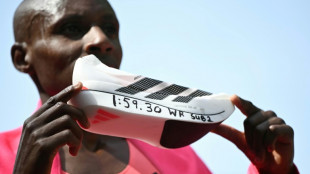 'No limits': Marathon world record holder Sawe chasing history
-
The eight stadiums for the 2027 Rugby World Cup

-
 Countdown begins to biggest-ever Rugby World Cup
-
Thieves swipe drugs under nose of Fiji police, swap with flour
-
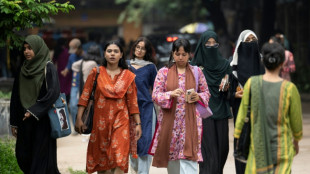 Bangladesh women lose ground after quota reform
-
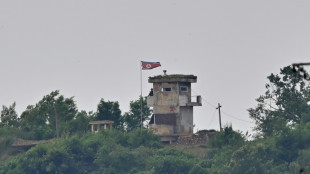
South Korea demands North apologise for DMZ mine blasts
-
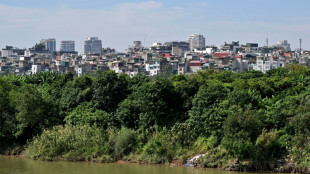 Vietnam admits 'differing opinions' on Hanoi development
-
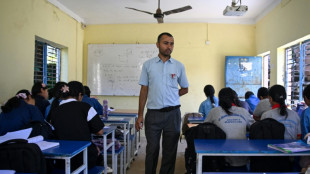
In Nepal's flood zone, teachers mourn students who never returned
-
 Stocks temper gains as oil pares heavy losses, US data in focus
-
US Supreme Court lifts limits on third-country deportations
-
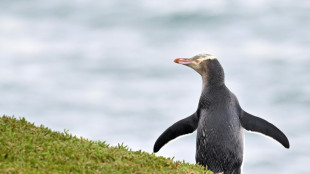 New Zealand denies breaching climate commitments to EU
-
Antonelli eager to 're-establish order' as F1 returns to Malaysia

-
 Albert becomes youngest US scorer in 4-2 win over Chile
-
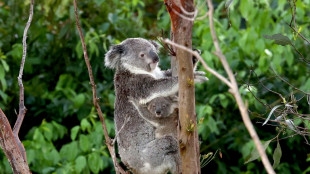
Paw-fect candidate: Australia finds new koala rescue dog
-
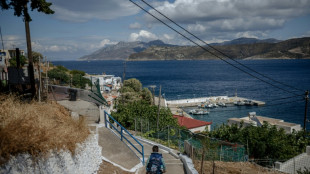 Pirate island's plunging population shows Greece's demographic decline
-
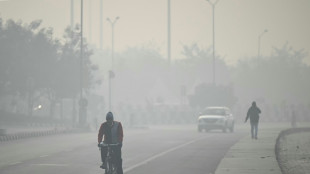
One third of world population exposed to harmful air pollution: monitor
-
 With elections ahead, Latvia's Russian-speakers reject Moscow's help
-
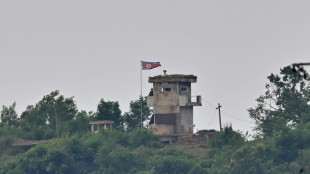
North Korea denies South's claim it was apparently behind DMZ mine blasts
-
 Brazil football clubs face massive sponsorship blow from betting ban
-
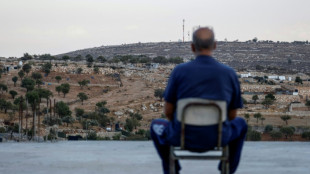
West Bank's violent settlers part of a new generation fuelled by ideology
-
 ChatGPT maker wants to be the App Store for AI as safety concerns grow
-
US-led coalition ends mission in Iraq
-
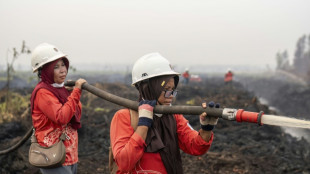 Women fight fires and sexism in Indonesian Borneo
-
Pope-backed White Sox join Braves with MLB playoff wins

-
 Forsling's OT blast lifts Florida over Carolina in NHL opener
-
NBA close to picking new $12-13bn Vegas team owners: report

-
 Hurricane Polo sweeps over Mexico's Pacific coast, heads inland
-
LA28 Olympics torch relay to visit all 50 states
-
 Grynspan pulls ahead in race to lead UN: diplomat
-
Spain brush aside Croatia in Nations League, England down Czechs

-
 Trump touts AI boss pledge to self-regulate
-
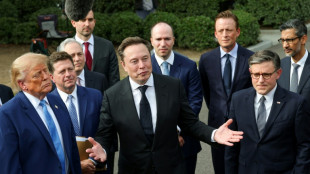
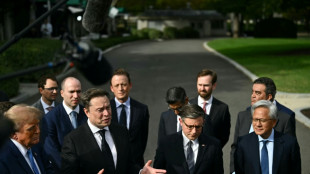
Trump hails 'morally binding' AI self-regulation pledge
-
 Oil down, but stocks lower as bond yields rise
-
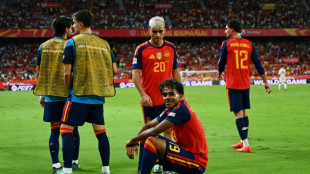
Yamal inspires Spain to Croatia romp on World Cup homecoming
-
 England break down stubborn Czechs to claim first Nations League win
-
UN to hold fourth informal poll of secretary-general candidates
-
 UN Security Council extends Haiti anti-gang force by 6 months
-
Who are the Emiratis behind crisis-hit Manchester City?

-
 Manchester City guilty of Premier League charges: What comes next?
-
Singer Angelique Kidjo urges Africans to 'create together'
-
 Man City chief Soriano slams Premier League 'conspiracy theory'
-
Alleged Rihanna mansion shooter mentally fit for trial, says judge
-
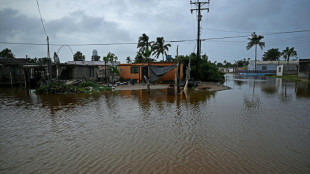 Hurricane Polo sweeps over Mexico's Pacific coast
-
Mystery over UK airbase scare as police find petrol not explosives

-
 Man City must be relegated after guilty verdict says club's former chairman
-
OpenAI unveils low-cost AI model, a day after shelving Astra upgrade

-
 German far-right aims to lead Saxony-Anhalt govt in December
-
Premier League confirms Man City guilty of serious financial breaches
-
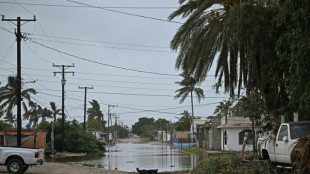 Little damage as Hurricane Polo sweeps over Mexico's Pacific coast
-
Brazil's Lula turns to Bad Bunny tune to criticise Trump ahead of polls
Sole candidate Tedros set to remain World Health chief
World Health Organization chief Tedros Adhanom Ghebreyesus is all but guaranteed a second term after a procedural vote on Tuesday made him the sole nominee for a leadership election in May.
The first African leader of the UN health agency said he was "very grateful for the renewed support", after the WHO's executive board held a secret-ballot vote approving his nomination as the only candidate for the post of director-general.
"I am actually lost for words," the visibly-moved WHO chief said after nearly all of the board's 34 members, representing countries from around the world, threw their weight behind him.
He was only missing three votes: from absentees Tonga, Afghanistan and East Timor, according to a diplomatic source.
The former Ethiopian minister of health and foreign affairs is thus expected to be re-elected when all 194 WHO member states cast their ballots in May for the next director-general.
Tedros, one of the most recognisable figures of the global battle against Covid-19, acknowledged that his first five-year term had been "challenging and difficult", and said it was a "great honour" to be given the opportunity to continue the battle.
- Broad support -
Since Covid-19 burst onto the global stage more than two years ago, the 56-year-old malaria specialist has received much praise for the way he has steered the WHO through the crisis.
"We appreciate not only your leadership during this period, but also your humanity and your compassion," South Korean representative Kim Ganglip said, speaking for WHO's western Pacific region.
African countries have been pleased at the attention paid to the continent and at his relentless campaign for poorer nations to receive a fair share of Covid vaccines.
The main source of opposition against Tedros has ironically come from his own country.
Ethiopia's government has slammed his comments about the humanitarian situation in his home region of Tigray, in the grip of a 14-month conflict, and has demanded he be investigated for "misconduct and violation of his professional and legal responsibility".
Ethiopia's position has not garnered much support.
Addis Ababa blocked the African Union from unanimously presenting Tedros as its nominee ahead of Tuesday's vote, but several African countries figured among the 28 mainly European nations that officially put his name forward.
- 'Horrified' -
Tedros also enjoys support in Washington.
That marks a major about-face from the start of the pandemic, when former president Donald Trump began pulling the United States out of the WHO, accusing it of being Beijing's puppet and helping cover up the initial outbreak.
Trump's successor Joe Biden halted the withdrawal, and the new administration has voiced stronger support for Tedros who has taken a sterner tone with China, demanding greater transparency around the origins of the outbreak.
Beijing has rebuked the WHO chief for some of those comments, but still supports his candidacy.
Beyond the pandemic, Tedros has faced a barrage of criticism, including from nations supporting his second term bid, over his handling of devastating allegations of rape and sexual assault by humanitarian workers, among them 21 WHO employees tackling Ebola in the Democratic Republic of Congo between 2018 and 2020.
Tedros told the board he had been "horrified" by those reports, insisting the WHO had "zero tolerance for sexual exploitation, abuse and harassment".
- Significant reform -
Tedros's second term will likely be dominated by the towering task of strengthening the WHO, after Covid-19 exposed its weaknesses.
"The pandemic has highlighted the challenges we face; that the world was not prepared," he said during a two-hour hearing before Tuesday's vote.
Many countries are demanding significant reforms, but their extent and shape have yet to be defined, with some nations wary a stronger WHO might encroach on their sovereignty.
Tedros is also calling for a vast reform of financing, warning funds are lacking to respond to the numerous crises WHO faces around the globe.
L.Durand--AMWN