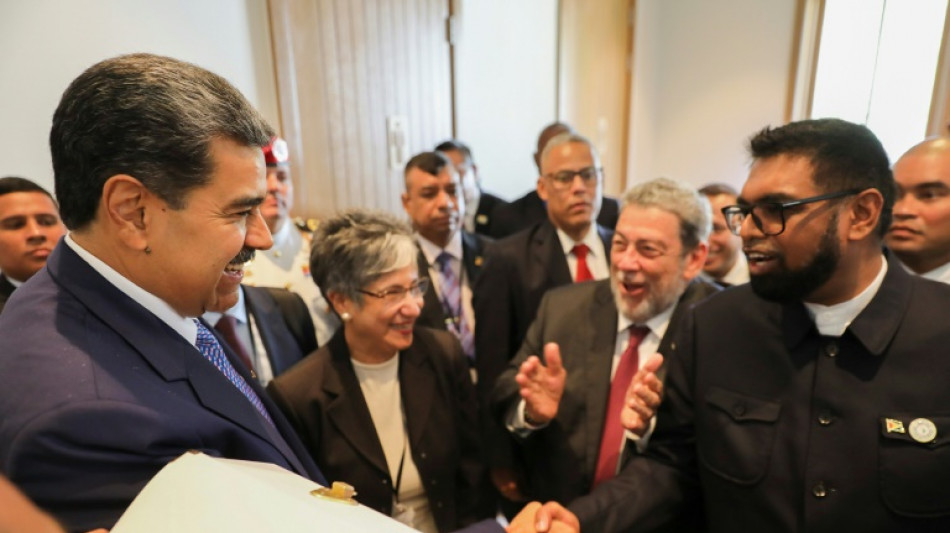
Venezuela MPs approve creation of state in disputed Essequibo / Photo: Zurimar CAMPOS - Venezuelan Presidency/AFP
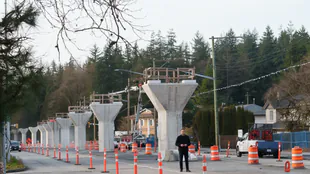 Premier Doerkson Names Surrey MLA to TransLink Role Citing SkyTrain Commitment

 Mikal Bridges Hits Buzzer-Beater to Defeat Trail Blazers 97-96
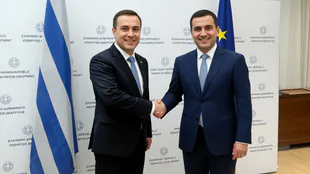
 Lotto Results for Saturday, November 21, 2026

 PSU Bank Stocks Surge Up to 27% in November Amid FPI Inflows
 Manchester City vs Fulham Live: Haaland Disallowed Goal and Muniz Strike

 Miao and Dong Traditional Knowledge Offers Climate Resilience Lessons at COP31
Venezuela's parliament has approved a law creating a federal state in the disputed oil-rich area of Essequibo across the border in Guyana, which on Friday slammed a "flagrant violation" of its sovereignty.
Caracas has long laid claim to Essequibo, which makes up about two-thirds of Guyana's territory, but started taking active steps to retrieve the land after massive offshore oil deposits were discovered there in 2015.
Lawmakers unanimously approved a law on Thursday that was drawn up after a December referendum in which 95 percent of voters, according to officials, supported declaring Venezuela the rightful owner of Essequibo.
"This National Assembly vindicates the right of the Venezuelan people to defend their territory," said MP Diosdado Cabello after the vote to make Essequibo the 24th state in the country.
The law that was passed has been submitted to the Supreme Court to validate its constitutionality.
Guyana's foreign ministry said in a statement the government was "gravely concerned over the adoption of a law by the Venezuelan National Assembly declaring the Essequibo region ... to be a constituent part of Venezuela."
"This is a flagrant violation of Guyana's sovereignty and territorial integrity," said the statement, which called on the international community to "uphold the rule of law by rejecting Venezuela's illegal expansionism."
Essequibo has been administered by Guyana for more than a century and is the subject of border litigation before the International Court of Justice (ICJ) in The Hague. Venezuela rejects the court's jurisdiction in the matter.
The region is home to 125,000 of Guyana's 800,000 citizens, but Caracas has long claimed the region should be under its control.
The row was revived in 2015 as US energy giant ExxonMobil discovered huge crude reserves in Essequibo and reached fever pitch last year after Georgetown started auctioning off oil blocks in the region.
The December referendum sparked international concern over a potential military conflict in largely peaceful South America.
Tensions were further inflamed when Britain sent a warship to the area, prompting Maduro to mobilize 5,600 troops in military exercises near the border.
However, friction abated after a meeting between the countries' foreign ministers in Brazil in January, following earlier face-to-face talks between Maduro and Guyana President Irfaan Ali, who agreed not to resort to force.
The two leaders also exchanged gifts in a relaxed encounter at a summit in the Caribbean in March, during which Maduro said he hoped for a "healthy, peaceful and diplomatic solution" to the dispute.
J.Oliveira--AMWN

