Temporary aid can offset inflation hit to families: IMF official / Photo: Stefani Reynolds - AFP
 Diljit Dosanjh Brings 'AURA India Tour' to Indore After Sold-Out Delhi Show

 Samsung Galaxy S27 Series Camera Design Leaked via Lens Protectors

 French Economy Shrinks 0.1% as Consumer Confidence Slumps
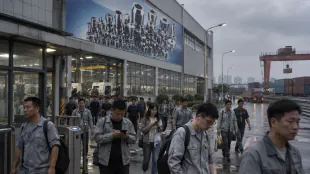
 Wall Street Ends Turbulent Week Higher Despite Inflation and AI Jitters

 Kansas City Fed Chief Says Inflation Is Still Running Too Hot

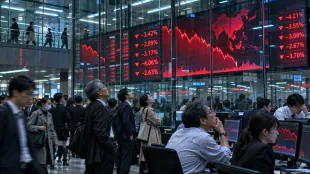 Asian Markets Slide as AI Concerns Hit Chip Stocks
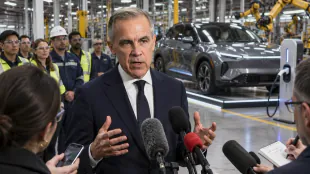 Canada Signals Openness to Chinese Automakers if US Trade Talks Fail

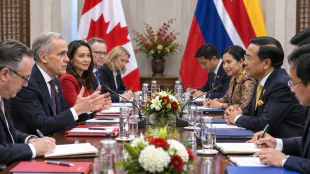 Canada Expands Asian Trade Push as US Negotiations Resume

 US Jobless Claims Rise to 200,000 but Layoffs Remain Historically Low

 Italy Raises 2026 Growth View but Warns Energy Will Keep Inflation High

 UK Economy Grows 0.7% in Third Quarter as Services Lead Expansion

 India's Retail Inflation Reaches 6.09% as Food Prices Accelerate
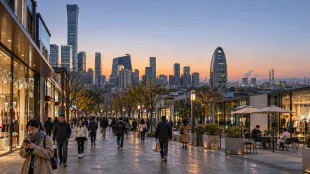 China's October Activity Data Reveal a Weak Start to the Fourth Quarter
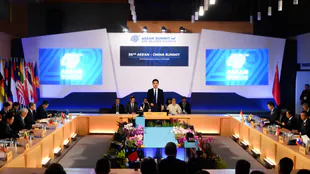 Philippines Urges ASEAN and China to Accelerate South China Sea Code of Conduct

Faced with surging inflation that is hitting poor families especially hard, which has sparked unrest in some countries, policymakers should take immediate steps to offset the pain with targeted and temporary relief, IMF chief economist Pierre-Olivier Gourinchas said Tuesday.
"We've seen already in some countries people protesting when they see the price of food or basic items increasing very rapidly," the official told AFP in an interview.
Governments can alleviate impact of the price jumps with "targeted measures to try to support vulnerable populations," which can include steps like utility bill discounts or direct payments to poor families, he said.
Gourinchas earlier Tuesday unveiled the IMF's latest World Economic Outlook which flags rising inflation as a key risk, made worse by the Russian invasion of Ukraine that has caused a surge in prices of fuel and food.
The damage the conflict is wreaking on the world economy, including the highest inflation in decades, is the key focus of global finance officials who are gathered this week for the spring meetings of the IMF and World Bank.
Support also could include "energy price subsidies, as long as they're clear, they're transparent and they're temporary, so that they are not going to affect the budget for too long," Gourinchas said.
That is an unusual stance for the Washington-based crisis lender, which historically abhorred subsidies and demanded countries eliminate them and tighten spending in exchange for financial support.
The IMF has often been cast as the villain in popular protests against austerity measures imposed by governments seeking to right their economies with the help of a loan package.
In recent weeks, demonstrators have taken to the streets in Peru and Sri Lanka to demand action from their leaders as the conflict in Ukraine and Western sanctions on Russia drove food and fuel prices to soar and created shortages that officials warn could cause a food crisis.
Sri Lanka defaulted on its $51 billion in debt.
- Faster debt relief -
Gourinchas said some low income countries "with very limited fiscal space and elevated levels of debt," will need outside help.
"The fund and other organizations are working on trying to address this food insecurity crisis, provide funding and food supplies to affected countries," he said.
But for other countries the debt will become unsustainable and they will need to restructure those loans, he said, noting that about 60 percent of low income countries already face or are at high risk of debt distress.
During the Covid-19 pandemic, the Group of 20 adopted a Common Framework to provide a path to orderly debt restructuring, but only three countries have even applied for relief.
"It's not been very successful yet, so we absolutely need to have a more rapid process," he said, although he acknowledged that the process is complex.
A.Mahlangu--AMWN