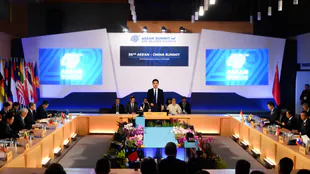
Bankrupt Sri Lanka hikes taxes / Photo: Ishara S. KODIKARA - AFP/File
 Jumia Reports Third Quarter 2026 Results

 1933 Industries Completes LED Lighting Retrofit at Its 68,000 Sq. Ft. Cannabis Cultivation Facility in Las Vegas, Nevada - Ranks #3 in Cannabis Flower Sales

 DataMeds AI Subsidiary Helomics, Inc. Announces Cancer Target Discovery and Anticancer Peptides Drug Development Partnership With DiaGen AI, Inc.
 SmartBuyerAI Gives Car Buyers an Itemized Check of Dealer Offers as FTC Steps Up Price Transparency Enforcement

 Fulcrum Metals PLC Announces Uranium Readings up to 0.42% U(3)O(8) at Charlot-Neely
 Devan Ekambaram and Susha’s 'Varuvaaiy' Makes History as First Tamil Song Nominated for a Grammy

Cash-strapped Sri Lanka on Tuesday announced steep, across-the-board tax hikes to shore up revenue as the country suffers its worst economic downturn and seeks an IMF bailout.
The value-added tax (VAT) applied on almost all goods and services was raised from 8.0 percent to 12 percent with immediate effect, while corporate taxes were also increased from 24 to 30 percent.
The personal income tax exemption threshold was lowered from 3.0 million rupees ($8,330) a year to 1.8 million rupees.
The increases were a rollback of the generous cuts ordered by President Gotabaya Rajapaksa soon after he won the November 2019 elections.
Prime Minister Ranil Wickremesinghe, who is also the finance minister, said Rajapaksa's tax cuts cost the state some 800 billion rupees ($2.22 billion) annually and widened the budget deficit sharply.
International rating agencies, as well as independent economists, have pointed to Rajapaksa's fiscal policy as having fuelled the current financial crisis.
Wickremesinghe, an opposition legislator, was made prime minister this month.
His predecessor and the president's elder brother Mahinda stepped down after months of anti-government protests turned deadly.
The South Asian nation is in talks with the International Monetary Fund for a bailout after running out of dollars to pay even for the most essential imports such as oil, food and medicines.
Sri Lanka has also defaulted on its $51 billion foreign debt.
Wickremesinghe said he was also removing several tax breaks granted to companies in recent years.
The government did not say how much it will raise from the new tax measures.
However, the prime minister had said they had run out of rupees to pay the salaries of 1.5 million civil servants and would have to "print money". That would in turn fuel inflation, which is already at a record 33.8 percent.
Th.Berger--AMWN