China summons chip giant Nvidia over alleged security risks / Photo: I-HWA CHENG - AFP/File
 Monaco Housing Project Wins International Sustainability Award at COP31

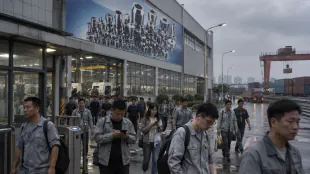 China's Factory Activity Contracts as Export Orders Weaken
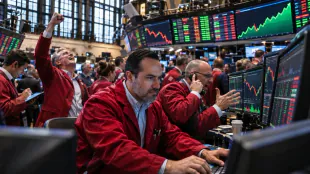
 US Retail Sales and Fed Minutes Set Up a Critical Test for Consumers

 Oil Heads for Second Weekly Loss as Supply Surplus Emerges
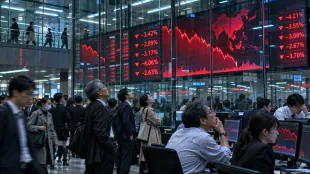
 Brazil Faces Debt and Inflation Test as Lula Prepares Fourth Term
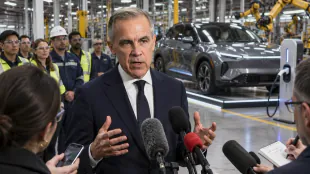
 Archive of Our Own Restores Service After Weeks-Long Security Shutdown
 US Mortgage Rate Falls for Fourth Week but Remains Above 7%

 Fire Erupts Near MetLife Stadium After Jets-Bills Game

 Euro-Area Growth Slows to 0.4% While Employment Stalls

 US Wholesale Inflation Eases Monthly but Hits a Four-Year Annual High

 India's Wholesale Inflation Jumps to 12.29% as Fuel Costs Surge

 Japan's Economy Edges Into Contraction as Costly Oil Weighs on Demand
 South Korea Launches Probe into NewJeans Contract Controversy

 UK Defence Secretary Warns Russia Nukes Not for Negotiation as HMS Vengeance Returns
Chinese internet authorities summoned Nvidia on Thursday to discuss "serious security issues" over some of its artificial intelligence (AI) chips, as the US technology giant finds itself entangled in trade tensions between Beijing and Washington.
Nvidia is a world-leading producer of AI semiconductors, but the United States effectively restricts which chips it can export to China on national security grounds.
A key issue has been Chinese access to the "H20", a less powerful version of Nvidia's AI processing units that the company developed specifically for export to China.
The California-based firm said earlier this month that it would resume H20 sales to China after Washington pledged to remove licensing curbs that had halted exports.
But the firm still faces obstacles -- US lawmakers have proposed plans to require Nvidia and other manufacturers of advanced AI chips to include built-in location tracking capabilities.
And on Thursday, Beijing's top internet regulator said it had summoned Nvidia representatives to discuss recently discovered "serious security issues" involving the H20.
The Cyberspace Administration of China said it had asked Nvidia to "explain the security risks of vulnerabilities and backdoors in its H20 chips sold to China and submit relevant supporting materials".
The statement posted on social media noted that, according to US experts, location tracking and remote shutdown technologies for Nvidia chips "are already matured".
The announcement marked the latest complication for Nvidia in selling its advanced products in the key Chinese market, where it is in increasingly fierce competition with homegrown technology firms.
- Nvidia committed -
CEO Jensen Huang said during a closely watched visit to Beijing this month that his firm remained committed to serving local customers.
Huang said he had been assured during talks with top Chinese officials during the trip that the country was "open and stable".
"They want to know that Nvidia continues to invest here, that we are still doing our best to serve the market here," he said.
Nvidia this month became the first company to hit $4 trillion in market value -- a new milestone in Wall Street's bet that AI will transform the global economy.
New hurdles to the firm's operation in China come as the country's economy wavers, beset by a years-long property sector crisis and heightened trade headwinds under US President Donald Trump.
Chinese President Xi Jinping has called for the country to enhance self-reliance in certain areas deemed vital for national security -- including AI and semiconductors -- as tensions with Washington mount.
The country's firms have made great strides in recent years, with Huang praising their "super-fast" innovation during his visit to Beijing this month.
A.Rodriguezv--AMWN