Deadlocked plastics treaty talks 'at cliff's edge' / Photo: Fabrice COFFRINI - AFP
 Writer Realizes She Is Lesbian After Child Comes Out as Transgender

 Shruti Haasan Reveals Kamal Haasan’s Defense of Her Film Career

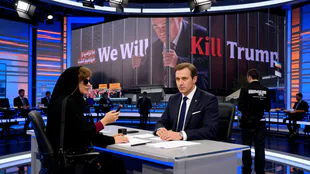 Trump Reduces Public Appearances Amid CIA-Mossad Warnings of Iranian Drone Plot

 Italy Fines Meta $880 Million Over Facebook Photo Access Violations

 MotorTrend's Top Picks for the Best Hatchbacks of 2026
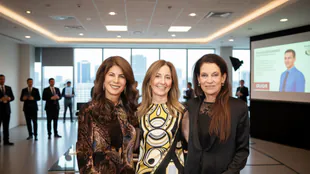
 Clare Luvanga Leads Washington Spirit to Third Straight NWSL Championship with 2-1 Win

 BingX: Major Announcement of Far-Reaching Significance
Negotiators from 184 countries remained riven Wednesday on how to curb plastic pollution, less than 36 hours before they were slated to deliver a binding global treaty.
Diplomats are "at the edge of a cliff," one official observer told AFP.
Dozens of ministers have arrived in Geneva to try to break the deadlock as the 10-day talks hurtle towards a close, but widely divergent positions have made the search for a so-called landing zone "very difficult", according to Danish Environment Minister Magnus Heunicke.
A new draft of the treaty text, streamlined by the talks chair, is expected later Wednesday, several sources told AFP. A plenary meeting to take stock of where things stand is scheduled for 7:00 pm (1700 GMT).
The debate continues to pit the so-called "Like-Minded Group" of chiefly oil-producing countries that refuse restrictions on the production of plastic -- a derivative of oil -- or certain chemicals thought to be harmful to health against a much larger "high ambition" bloc that favours such measures.
David Azoulay, director of the environmental health programme at the Center for International Environmental Law group, told AFP he expects the new summary text to be "very weak" and a "lowest common denominator", falling short of the treaty's purpose: resolving the global plastic pollution crisis.
"Negotiators are at the edge of a cliff," said Pamela Miller, co-chair of the International Pollutants Elimination Network (IPEN), which has official observer status.
The World Wide Fund for Nature's Eirik Lindebjerg fears last-minute compromises will result in a "bad deal".
WWF has identified "more than 150 countries in favour of a ban on certain plastics and toxic products, and 136 keen to strengthen the treaty over time," he told AFP.
Graham Forbes, head of the Greenpeace delegation, echoed this sentiment, telling AFP on Wednesday that "ministers must reject a weak treaty".
Other observers, however, suggested there was not enough attention given to the industrial transformations required in producing countries for the talks to succeed.
"Some are approaching the issue from the perspective of industrial policy, international trade and market access but are not being listened to, while on the other side they are talking about regulation, the environment and health," Aleksandar Rankovic from The Common Initiative think-tank, told AFP.
"It can't work."
P.Stevenson--AMWN