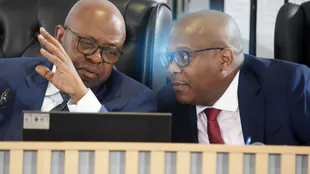
IAEA says Iran nuclear diplomacy at a 'difficult juncture' / Photo: Joe Klamar - AFP
 Alberta Oil Drilling Forecast Drops in 2027 Despite Record Activity

 The Laundromat S.F. Celebrates Four Years with Smash Burger Wednesdays

 Yes Bank Petitions Supreme Court to Reverse AT-1 Bond Write-Off Ruling
 Kazakhstan President Links Sovereign Wealth Fund Chief's Arrest to Anti-Corruption Drive

 Ella Stiller on 'Cupertino' and Her Stance on AI

 North Dakota Enacts Bipartisan Insulin Price Cap Amid National Push
The head of the UN's nuclear watchdog, Rafael Grossi, told AFP Monday that diplomatic efforts to resolve the dispute over Iran's nuclear program were at a "difficult juncture" but dialogue would continue.
The UN Security Council voted on Friday to reimpose UN sanctions that had been frozen, after three European governments activated the "snapback" mechanism in a decade-old nuclear agreement accusing Iran of non-compliance.
"It's obviously quite a difficult juncture. It's a very difficult situation we are facing right now," the International Atomic Energy Agency chief said, adding that talks between involved parties were planned in New York for Monday.
"What's important is the communications are continuing. We are planning to see each other if possible today, Monday, here in New York, and perhaps more meetings during the week."
Friday's vote means that the sanctions, which were suspended in return for curbs on Iran's nuclear activities set out in the 2015 deal, will take renewed effect on September 28 unless Iran can persuade the council to relent in the next week.
Tehran said the action by the European powers -- Britain, France and Germany -- undermined months of engagement with the IAEA aimed at resuming monitoring and ensuring compliance with international rules.
Earlier this month, Iran and the IAEA reached an agreement in Cairo that would have allowed inspections of Iranian nuclear sites to resume.
Iran had suspended them after Israel and the United States attacked its nuclear facilities in June.
Western governments have long accused Iran of seeking a nuclear weapons capability, an ambition Tehran denies.
Tehran has also criticized the IAEA for failing to condemn the Israeli and US strikes.
F.Dubois--AMWN