-
 SpaceX sends Starship rocket sailing into space
-
NASCAR boss pays tribute to 'badass' Kyle Busch
-
 Russell bounces back to beat Antonelli in sprint qualifying
-
Lens beat Nice to win French Cup for first time

-
 Mexico, EU lower tariffs in bid to grow non-US trade
-
Vunipola guides Montpellier past Ulster to Challenge Cup triumph

-
 Fresh confrontation between police, protesters in Bolivia
-
Kevin Warsh: New Fed chair who vows not to be Trump's puppet
-
 US Fed chair says will be 'reform-oriented' at glitzy White House swearing-in
-
French Gaza activists arrive home after Israel expulsion
-
 Ace, eagle lift Im to early CJ Cup Byron Nelson lead
-
From agave syrup to raw materials: EU, Mexico agree trade expansion

-
 Antonelli romps opening practice ahead of Russell
-
Who killed Trump's AI order? Musk says it wasn't him
-
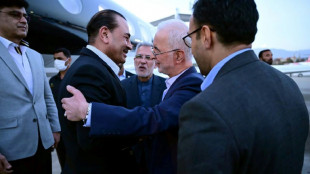 Pakistan military chief arrives in Tehran in push to end Iran war
-
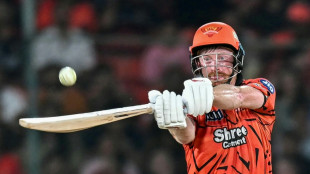
Klaasen helps Hyderabad past Bangalore
-
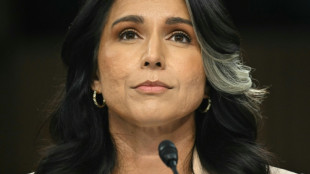 US intelligence chief Tulsi Gabbard resigns
-
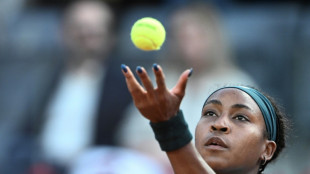
Gauff at ease in Paris as she prepares to defend French Open title
-
 Pep 'made me believe I could be a coach', says Kompany
-
Ebola risk now at highest level in DR Congo, says WHO
-
 Rising Spain star Jodar wants to 'follow own path' at Roland Garros
-
Wawrinka considering return for famous French Open shorts
-
 Success fuels Guardiola's campaign for a 'better society'
-
EU seeks to rebalance trade relationship with China
-
 SpaceX to retry Starship test launch Friday
-
Spurs must play with 'blood, character, and spirit': De Zerbi

-
 Stocks gain, oil higher as investors weigh Mideast peace prospects
-
Carney says Alberta 'essential' to Canada as separatist push advances
-
 Barcelona's Putellas dismisses talk of future before Champions League final
-
Mexico, EU to lower tariffs in bid to grow non-US trade
-
 Carrick appointed as Man Utd permanent coach
-
Italy's Bettiol claims Giro 13th stage, Eulalio holds lead

-
 Sabalenka poised to 'go for it' at Roland Garros
-
Latest Neuer injury 'no danger' for World Cup, say Bayern
-
 Sinner says returning to Roland Garros 'special feeling' after 2025 final
-
Castro backers rally in front of US embassy in Havana
-
 PSG defender Hakimi bids to have rape case dismissed
-
Archives interrupted: Vintage pics show Gaza 'we no longer know'
-
 Sinner stands between Djokovic and record 25th major crown at French Open
-
Cannes red carpet showstoppers
-
 Dethroned clay queen Swiatek 'willing to fight'
-
Ukraine hits college in Russian-occupied town, killing 4: Moscow

-
 France's youngest PM Attal to run for president
-
Women directors close Cannes, putting gender imbalance in spotlight
-
 Man City needed 'new energy' as Guardiola seeks break from coaching
-
Riot hits DR Congo hospital as Ebola response angers victims' families
-
 Tennis players 'ignored' but 'united' in Grand Slam pay dispute
-
'Hard to win': Taiwanese react to uncertainty over US arms sales

-
 Tuchel has 'no fear' after omitting star names from England's World Cup squad
-
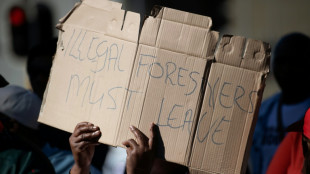
Five things to know about South Africa's anti-migrant protests
Austrian parliament approves headscarf ban in schools
Austrian lawmakers on Thursday voted by a large majority in favour of a law banning headscarves in schools for girls under 14, a move rights groups and experts say is discriminatory and could deepen societal division.
Austria's conservative-led government -- under pressure with anti-immigration sentiment is running high -- proposed the ban earlier this year, arguing it is aimed at protecting girls "from oppression".
In 2019 the country introduced a ban on headscarves in primary schools, but the constitutional court struck it down.
This time the government insists that its law is constitutional, though experts have suggested it could be seen as discriminating against one religion -- Islam -- and putting children in an uncomfortable position.
The law prevents girls younger than 14 from wearing headscarves that "cover the head in accordance with Islamic traditions" in all schools.
After a debate Thursday, only the opposition Green party voted against the ban.
Ahead of the vote, lawmaker Yannick Shetty of the liberal NEOS said the headscarf "is not just an item of clothing" but "sexualises girls".
"When a girl... is told that she must hide her body... to protect herself from the gaze of men, it's not a religious ritual, but oppression," Integration Minister Claudia Plakolm said when presenting the bill.
The ban, which applies to "all forms" of the Islamic veil including hijabs and burqas, would take full effect with the start of the new school year in September, Plakolm said.
From February, an initial period would be launched during which the new rules would be explained to educators, parents and children with no penalties for breaking them.
But for repeated non-compliance, parents would face fines ranging from 150 to 800 euros ($175-930).
The government said that about 12,000 girls would be affected by the new law.
- 'Stigmatised' -
Rights groups and activists have long argued that banning headscarves still amounts to telling a woman what to wear, instead of allowing her the freedom to decide on her own.
Organisations including Amnesty International Austria have criticised the bill.
Amnesty said it "constitutes blatant discrimination against Muslim girls" and described it as an "expression of anti-Muslim racism".
Such measures risk "fuelling existing prejudices and stereotypes against Muslims", the group warned.
The draft law has also drawn criticism from the IGGOe, the body officially recognised as representing the country's Muslim communities.
It said the ban "jeopardises social cohesion", saying "instead of empowering children, they are stigmatised and marginalised".
Angelika Atzinger, managing director of the Amazone women's rights association, said a headscarf ban "sends girls the message that decisions are being made about their bodies and that this is legitimate".
Her comments appeared in a statement published by the anti-racism group SOS Mitmensch, which also opposes the proposed law.
Austria's anti-immigration, far-right Freedom Party (FPOe) said the ban did not go far enough, however. They want it extended to all students, teachers and other staff.
In France, authorities banned school children in 2004 from wearing signs of religious affiliation such as headscarves, turbans or Jewish skullcaps, on the basis of the country's secular laws, which are meant to guarantee neutrality in state institutions.
F.Schneider--AMWN