-
 IMF cuts 2026 world growth forecast, flags risks from new Mideast fighting
-
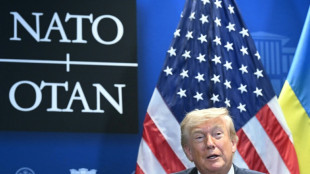
Trump tempers fury to end NATO summit on high note
-
 Kostyuk sets up Wimbledon semi-final against Noskova
-
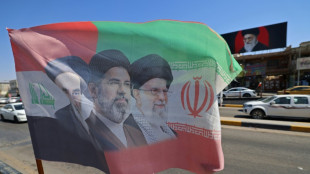
Oil shoots back up, stocks slide as Trump says Iran ceasefire over
-
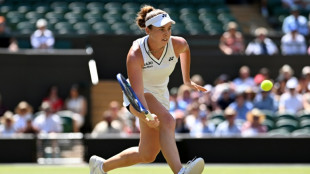 Noskova reaches first Wimbledon semi-final
-
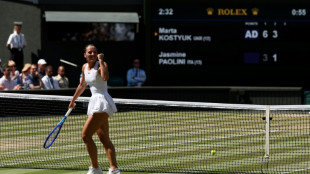
Kostyuk powers into second straight Slam semi-final at Wimbledon
-
 Air Canada taps new CEO to replace chief who couldn't speak French
-
Israeli jails a 'graveyard,' says freed Palestinian journalist
-
 Istanbul mayor ejected from court in corruption case
-
Family of last woman executed in UK wins posthumous pardon

-
 Landslide kills eight at refugee school in Bangladesh
-
'Serial killer' German doctor given life sentence for 15 murders
-
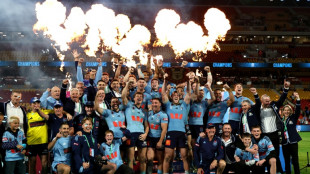 Cleary leads NSW past Queensland to regain State of Origin crown
-
What is going on with Farage's UK election gambit?
-
 MEXC Adds Nine Ondo Tokenized Stock and ETF Trading Pairs Tied to AI Infrastructure Demand
-
Dalic quits after 'incredible era' as Croatia coach
-
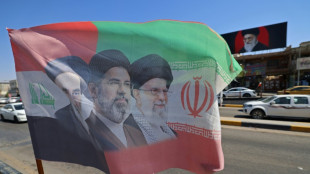 Oil prices surge, stocks slide as Trump says Iran ceasefire over
-
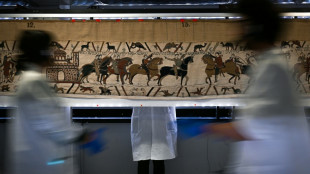
Bayeux tapestry to arrive in London in secret, high-stakes operation
-
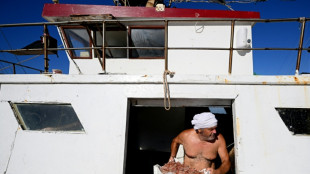 Sunken wrecks, hot seas threaten fishermen on Italian isle
-
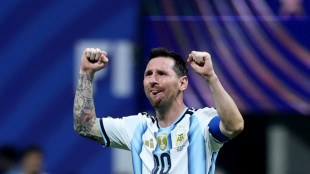
Messi World Cup magic masks familiar penalty frailty
-
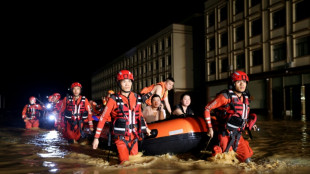 Rescuers search for survivors of China storms as super typhoon nears
-
Trump lashes out at allies as key NATO summit begins
-
 Egypt file complaint against referee after controversial World Cup exit
-
Swiss party into the night after reaching World Cup quarter-finals
-
 Apple loses challenge against EU digital competition rules
-
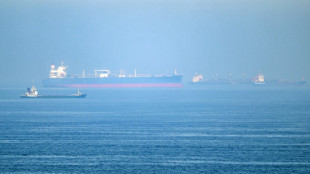
Trump says Iran ceasefire 'over' after fighting flares
-
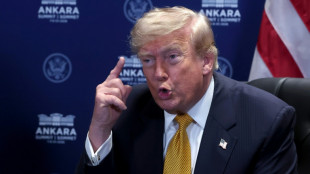 Trump says Iran ceasefire 'is over'
-
Thai beer dynasty mother drops 'ungrateful child' case against son

-
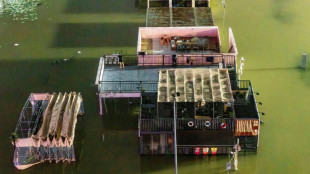 Rescuers search for missing in China storms after 100,000 flee
-
France v Morocco rematch as World Cup quarter-finals get under way
-
 OpenAI to launch new model after US freeze
-
Modi visits Australia for minerals talks and rockstar welcome
-
 UK museums at 'sharp end' of climate change challenge
-
Sensors, early starts: how Spain keeps working when heat hits
-
 In Mauritania, Imraguen people's desert-ocean paradise under threat
-
Kenya Rastafarians hope for freedom to smoke
-
 Iraq's holy cities host funeral processions for Khamenei
-
Pacific nation of Tuvalu condemns Chinese missile launch into Pacific
-
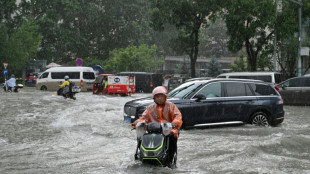 Rescuers search for missing in China storms after 100,000 evacuated
-
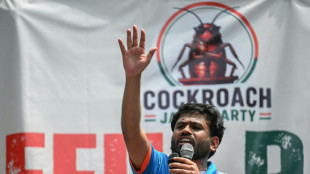
How a viral post sparked India's Gen-Z protest
-
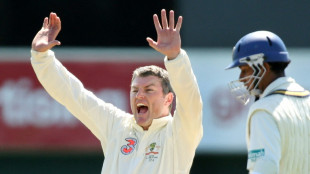 Ex-Australia cricketer MacGill loses appeal against cocaine conviction
-
Cambodia wants to bring tigers back, but should it?

-
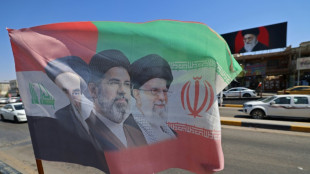 Oil prices extend rally as US strikes on Iran revive geopolitical fears
-
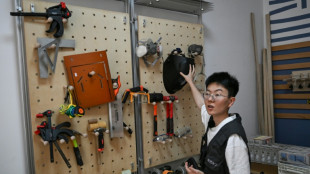
Chinese repairwomen smash stereotypes with power tools
-
 Iraq's holy cities to host funeral processions for Khamenei
-
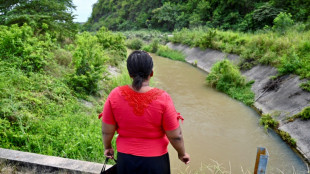
Ecuador's Death Canal: watery grave for victims of gang violence
-
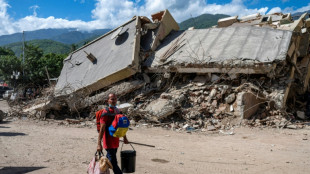
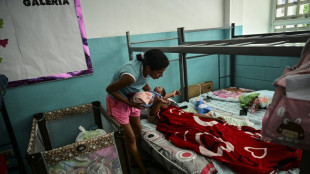 In Venezuela's quake ruins, a baby is born
-
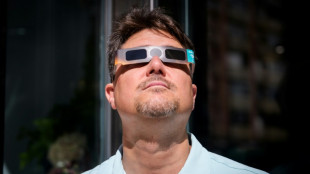
'Unique event': Solar eclipse fever fills empty Spain
-
 What to know about the total solar eclipse due in August
-
Venezuela says Caracas airport to reopen to commercial flights 'soon as possible'
NYSE - LSE
What we know about the EU-India trade deal
The European Union and India announced Tuesday that they had struck a "historic" trade deal that Brussels hopes will see exports double to the Asian powerhouse.
They had spent two decades negotiating but the return of US President Donald Trump and his hefty tariffs accelerated the push on both sides to seal a deal.
Here is what Brussels and New Delhi agreed in what India's Prime Minister Narendra Modi called the "mother of all deals":
- What benefits for the EU? -
Indian tariffs on more than 90 percent of EU goods will be removed or cut.
For example, India will progressively reduce levies to between 20 and 30 percent on European wines, down from 150 percent before the agreement.
Beer tariffs will drop to 50 percent from 110 percent, while spirits will see future levies of 40 percent, down from up to 150 percent.
India will also remove tariffs on EU olive oil -- a major export from Spain, Italy and Greece -- fruit juice, non-alcoholic beer and processed food including bread, pasta, chocolate and pet food.
In a welcome move for one of the bloc's biggest sectors and especially Germany, tariffs on cars will be gradually lowered from a top rate of 110 percent to as low as 10 percent -- with a quota of 250,000 vehicles.
And India will eliminate tariffs on aircraft -- a potential boon for pan-European aerospace group Airbus -- as well as cutting levies to zero on most machinery, medical equipment, chemicals and pharmaceutical products.
- How does India benefit? -
According to Brussels, the EU's imports from India comprise mainly machinery and appliances, chemicals, base metals, mineral products and textiles.
India said the EU would immediately eliminate duties on products making up the majority of its exports including textiles, leather and footwear, tea, coffee, spices, sports goods, toys, gems and jewellery, and certain marine products.
And the EU agreed to phase out tariffs for processed food items as well as arms and ammunition, among other goods.
Steel was a thorny issue in negotiations since India is a major exporter. Brussels says the steel makes up seven percent of total Indian exports to the EU.
Under the deal, India will benefit from a duty-free quota of 1.6 million tonnes, and New Delhi will relinquish its retaliation rights under the World Trade Organization, a senior EU official said.
Another sticking point for India was the EU's carbon border tax, which aims to ensure foreign producers pay a carbon cost similar to what European companies already pay under the bloc's internal emissions trading system.
Under the deal, the EU agreed to launch a technical dialogue on the tax if needed, and vowed not to treat any other EU partner better than India.
The EU has also promised to make it easier for skilled Indian workers to work in the 27-country bloc, agreeing to a memorandum of understanding on mobility covering issues related to seasonal workers, researchers and students, the EU official said.
- What doesn't the deal include? -
Sensitive agricultural products are excluded from the new deal.
The senior EU official said there were no concessions for sugar, ethanol, rice, soft wheat, beef, chicken meat, milk powders, bananas, honey or garlic.
He also said that unlike deals the EU has struck with other partners, there were no chapters on government procurement, on energy and raw materials, or on the liberalisation of investment in manufacturing sectors.
India also opposed any chapter on "sustainable development where we focus on social rights and also environmental issues", the official added.
The two partners are discussing a separate agreement on Geographical Indications, the intellectual property rights that link a product's qualities, reputation or features to its place of origin.
This "will help traditional EU farming products sell more in India, by removing unfair competition in the form of imitations", the EU executive said.
India said the deal safeguarded sensitive sectors including dairy, cereals, poultry, soybean meal and certain fruits and vegetables.
P.Martin--AMWN