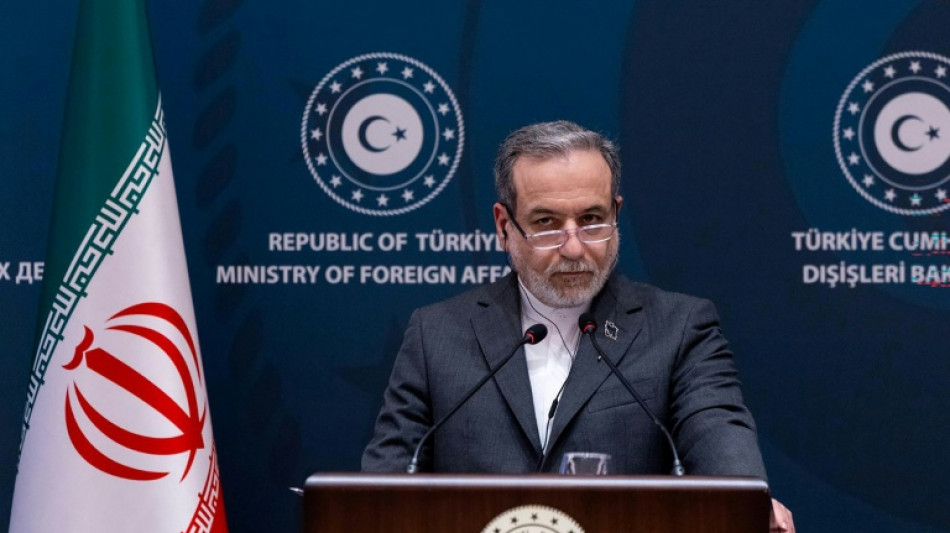
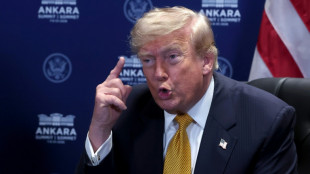
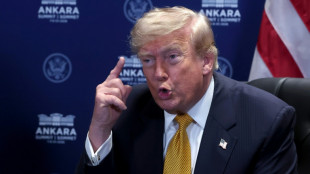
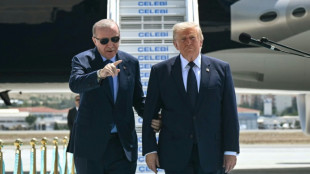
Trump predicts Iran will seek deal to avoid US strikes / Photo: Handout - TURKISH FOREIGN MINISTRY/AFP
 Bayeux tapestry to arrive in London in secret, high-stakes operation
 Messi World Cup magic masks familiar penalty frailty
 Trump lashes out at allies as key NATO summit begins
 Swiss party into the night after reaching World Cup quarter-finals

 Trump says Iran ceasefire 'over' after fighting flares
 Thai beer dynasty mother drops 'ungrateful child' case against son
 France v Morocco rematch as World Cup quarter-finals get under way

 Modi visits Australia for minerals talks and rockstar welcome
 Sensors, early starts: how Spain keeps working when heat hits
 Kenya Rastafarians hope for freedom to smoke
 Pacific nation of Tuvalu condemns Chinese missile launch into Pacific
 How a viral post sparked India's Gen-Z protest
 Cambodia wants to bring tigers back, but should it?
 Chinese repairwomen smash stereotypes with power tools
 Ecuador's Death Canal: watery grave for victims of gang violence
 'Unique event': Solar eclipse fever fills empty Spain

 Venezuela says Caracas airport to reopen to commercial flights 'soon as possible'
 World Cup: Eight teams remain in the hunt for glory
 Who Does the Best Nose Job in Florida?
 EONX Announces Board Changes and Appointment of New Group CFO

 Guardian Metal Resources PLC Announces Tungsten Mining & Processing Strategic Partnership

 InterContinental Hotels Group PLC Announces Transaction in Own Shares - July 08
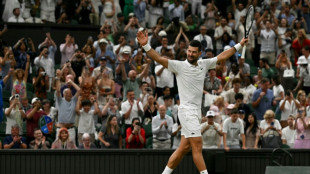
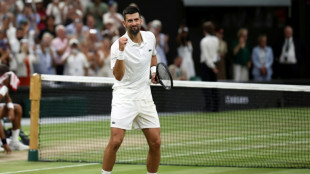 'A nice surprise': Marathon man Djokovic revels in Wimbledon epic

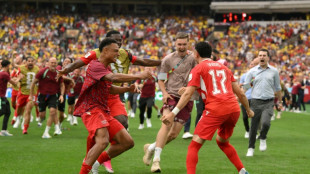 Switzerland beat Colombia on penalties to reach World Cup quarter-finals
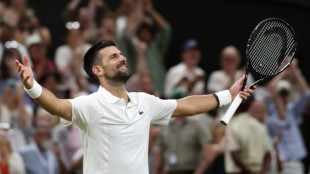 Djokovic survives Wimbledon's longest quarter-final to book Sinner blockbuster
President Donald Trump predicted on Friday that Iran would seek to negotiate a deal rather than face American military action, despite Tehran warning that its arsenal of missiles would never be up for discussion.
"I can say this, they do want to make a deal," Trump told reporters in the Oval Office. Asked if he had given Iran a deadline to enter talks on its nuclear and missile programs, Trump said "yeah, I have", but refused to say what it was.
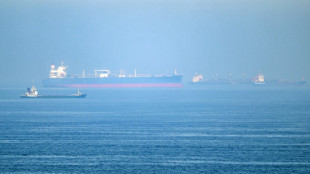
"We have a large armada, flotilla, call it whatever you want, heading toward Iran right now," Trump said, referring to a US naval carrier group in waters off Iran. "Hopefully we'll make a deal. If we do make a deal, that's good. If we don't make a deal, we'll see what happens."
Trump cited what he said was Iran's decision to halt the executions of protesters -- after a crackdown in which rights groups say more than 6,000 people were killed and which triggered the latest round of threats between the long-time foes -- as evidence to show Tehran was ready to negotiate.
The US president brought the temperature down late on Thursday, saying he hoped to avoid military action and that talks with Iran were on the cards, having pressured Tehran for a deal on its nuclear programme, which the West believes is aimed at making an atomic bomb.
Nevertheless, Iran's top diplomat said Friday that his country's missile and defence capabilities would "never" be on the negotiating table.
Foreign Minister Abbas Araghchi said Tehran was "ready to begin negotiations if they take place on an equal footing, based on mutual interests and mutual respect", during a visit to Turkey, which is leading a diplomatic push to mediate between Tehran and Washington.
But, he emphasized, "I want to state firmly that Iran's defensive and missile capabilities will never be subject to negotiation", adding that no plans were in place to meet with US officials about resuming talks.
On Monday, the news site Axios reported that US officials say any deal would have to include a cap on Iran's arsenal of long-range missiles, the removal of enriched uranium from the country and a ban on independent enrichment.
Serhan Afacan, director of IRAM, the Ankara-based Centre for Iranian Studies, told AFP that trying to link a nuclear deal with other issues would likely "be impossible".
"For now, the ballistic missile programme remains a red line, as it sits at the core of Iran's defence architecture," he said.
- 'Reducing' tensions -
Turkish Foreign Minister Hakan Fidan said restarting talks between Tehran and Washington over Iran's nuclear programme was "vital for reducing regional tensions".
Speaking at a joint news conference in Istanbul with Araghchi, he said Israel was pushing for the United States to attack Iran, and urged Washington to "act with common sense and not allow this to happen".
Iran has blamed the United States and Israel for the protests that erupted in late December over economic grievances and peaked on January 8 and 9, accusing the two countries of fuelling a "terrorist operation" that turned peaceful demonstrations into "riots".
Araghchi was also due to meet with Turkish President Recep Tayyip Erdogan, who told his Iranian counterpart Masoud Pezeshkian by phone earlier Friday that Turkey was "ready to assume a facilitating role between Iran and the United States to de-escalate the tensions".
Pezeshkian, meanwhile, said the success of diplomacy depended on the "goodwill of the parties involved and the abandonment of belligerent and threatening actions in the region", his office said.
As well as his diplomatic efforts to stave off a confrontation, Erdogan has also been pushing Washington for a high-level trilateral meeting, a Turkish diplomat said, confirming local media reports.
- 'Consequences' -
Other regional actors have joined calls for diplomacy, including Gulf states, some of which host US military sites, and Tehran's ally Russia.
Pezeshkian urged coordinated regional efforts to reduce tensions in a call with UAE President Sheikh Mohamed bin Zayed Al Nahyan, saying Iran has "never sought war" but any aggression against it would "receive an immediate and firm response".
The US-based Human Rights Activists News Agency (HRANA) said it has confirmed 6,479 people killed in the demonstrations, including 6,092 protesters and 118 children, as internet restrictions imposed on January 8 continue to hinder access to information inside the country.
But rights groups warn the toll is likely far higher, with estimates in the tens of thousands.
Iranian authorities acknowledge that thousands were killed during the protests, giving a toll of more than 3,000 deaths, but say the majority were members of the security forces or bystanders killed by "rioters".
burs-sw/dc/amj
O.Norris--AMWN